


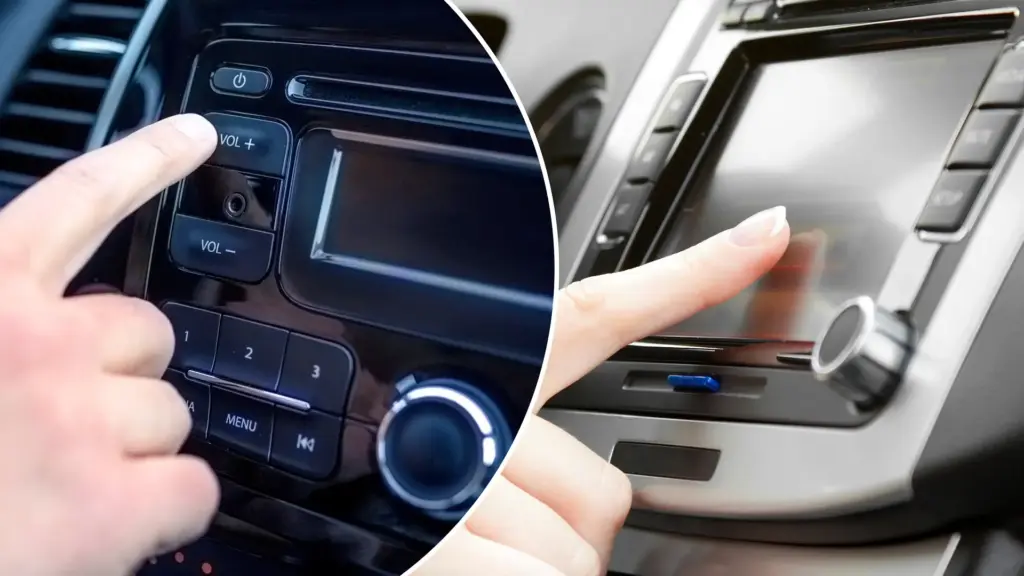
The growing trend of touchscreen controls as the central interface for vehicle operations may soon be a thing of the past, at least in China. The Ministry of Industry and Information Technology (MIIT) has proposed a new regulatory framework mandating the use of physical controls for certain vehicle functions. This move is part of a broader regulatory shift that previously targeted door handle designs and now sets its sights on steering wheel styles.
The draft regulations, expected to be enforced from July 1, 2027, stipulate that functions such as turn signals, hazard lights, horns, windscreen wipers, demisters, and emergency-call SOS services must have physical controls. The changes, though specific to the Chinese market, are likely to influence the design of Chinese export vehicles and potentially reshape global automotive trends.
Background and Regulatory Context
The announcement comes after the MIIT revised regulations concerning door handles, effectively banning flush-fit and electronically-deployed designs. This regulatory push aligns with safety concerns raised by organizations like Euro NCAP and ANCAP, which have criticized the use of touchscreen menus for critical controls. Unlike these assessment bodies, the MIIT’s regulations are binding, meaning non-compliance could render vehicles unsellable in China.
Currently, many modern vehicles already employ physical controls for essential functions. However, some automakers have integrated on-screen menus for operations like wiper and headlight controls. The proposed MIIT regulations aim to ensure that these functions remain accessible without diverting the driver’s attention from the road, emphasizing the need for physical and audible feedback.
Industry Implications and Expert Opinions
While the regulations primarily affect new vehicles entering the market, they reflect a broader industry trend towards enhancing driver safety through intuitive design. Automotive expert Dr. Li Wei commented, “These changes underscore a shift back to prioritizing driver focus and safety over sleek design aesthetics.”
The move represents a significant pivot from the recent industry trend favoring minimalistic, screen-centric dashboards. By mandating physical controls, the MIIT aims to mitigate the risks associated with touchscreen interfaces, which can be distracting and cumbersome in emergency situations.
“By the Numbers: Over 70% of drivers surveyed in a recent study expressed a preference for physical buttons over touchscreens for critical vehicle functions.”
Looking Ahead: Global Influence and Market Adaptations
As the world’s largest automotive market, China’s regulatory decisions often have ripple effects across the global industry. Automakers exporting to China will need to adapt their designs to comply with these new standards, potentially influencing vehicle designs worldwide.
Meanwhile, the MIIT’s focus on physical controls could inspire similar regulatory measures in other regions, particularly where safety assessments already penalize touchscreen-centric designs. The automotive industry may see a resurgence of physical interfaces as manufacturers strive to balance innovation with regulatory compliance.
As the July 2027 deadline approaches, automakers will need to strategize on integrating these changes into their production lines. The MIIT typically allows a grace period for existing models, but new vehicle designs will need to meet the standards from their market introduction.
The shift back to physical controls marks a notable change in automotive design philosophy, emphasizing the importance of driver safety and usability. As the industry adapts, consumers may find themselves navigating a landscape where the tactile feedback of physical buttons becomes a standard feature once again.