




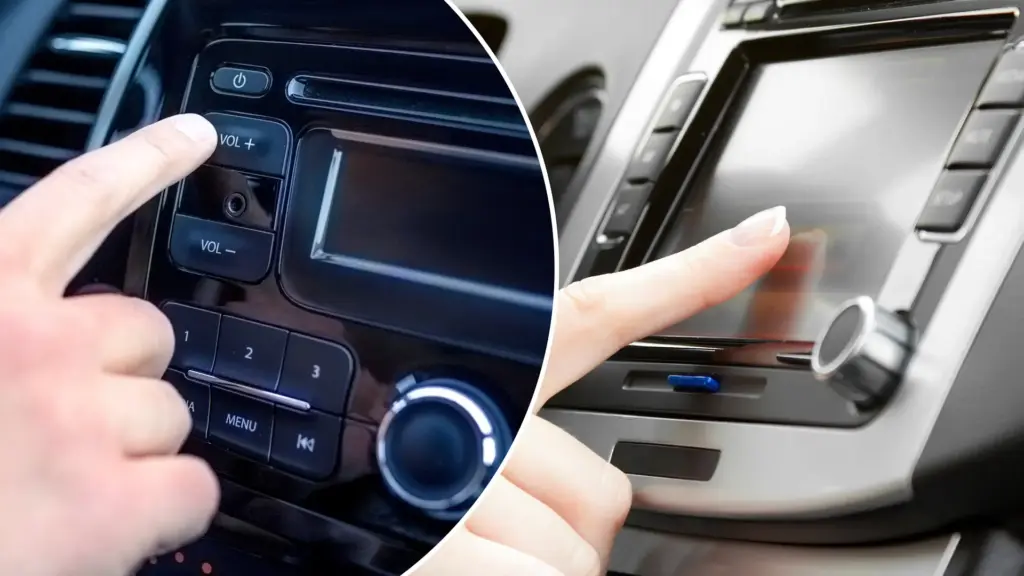
The era of touchscreen dominance in vehicle controls might be nearing its end, at least in China. The Ministry of Industry and Information Technology (MIIT) has unveiled a draft regulatory framework mandating the return of physical buttons for specific vehicle functions. This shift, expected to take effect from July 1, 2027, could significantly alter the design of both domestic and export vehicles.
This development follows recent regulatory changes by the MIIT, which have already impacted vehicle components such as door handles, effectively banning flush-fit and electronically-deployed designs. The new proposal also hints at a potential ban on yoke-style steering wheels. While these regulations are initially targeted at the Chinese market, they are likely to influence global vehicle designs, as manufacturers adjust to meet both domestic and international standards.
Details of the Proposed Regulations
The draft regulations specify that physical controls must be reinstated for essential functions such as turn signals, hazard lights, horns, windscreen wipers, and emergency-call SOS services. Additionally, controls for driver assistance system activation, power windows, and gear selection are also included, although the latter may still offer on-screen shifting as a secondary option.
While many modern vehicles already feature physical controls for these functions, some brands have integrated on-screen menus for controls like wipers and headlights. The MIIT’s proposal goes further, detailing requirements for these controls to be operable without diverting the driver’s attention, and stipulating physical and audible feedback mechanisms, along with ergonomic design considerations.
Implications for the Automotive Industry
The move by the MIIT aligns with recent adjustments in safety assessment guidelines by Euro NCAP and ANCAP, which penalize vehicles that obscure essential controls within touchscreen interfaces. However, unlike these assessment bodies, the MIIT’s regulations are enforceable, meaning non-compliant vehicles will be barred from the market post-deadline.
Historically, regulatory changes have often led to broader industry shifts. For instance, previous safety and emissions standards have pushed manufacturers worldwide to innovate and adapt. The MIIT’s regulations could similarly drive a resurgence in tactile vehicle interfaces, potentially setting a precedent for other markets.
Expert Opinions and Industry Reactions
Industry experts suggest that the MIIT’s move could enhance driver safety by reducing distractions. “Physical buttons provide intuitive feedback that touchscreens cannot match,” says automotive analyst Li Wei. “This change could lead to a safer driving environment, especially in high-stress situations.”
However, some manufacturers express concerns about the potential costs and design challenges associated with reverting to physical controls. “The industry has invested heavily in touchscreen technology,” notes Zhang Min, a spokesperson for a leading car manufacturer. “Adapting to these new regulations will require significant redesign efforts.”
Looking Ahead: The Future of Vehicle Interfaces
As the automotive industry grapples with these impending changes, the broader impact on global vehicle design remains to be seen. The MIIT typically provides a compliance timeline, allowing new models to meet standards first, followed by existing models. This phased approach may ease the transition for manufacturers.
The outcome of these regulations could influence consumer preferences, potentially sparking a renewed appreciation for physical controls in vehicles worldwide. As the industry prepares for this paradigm shift, the balance between technological innovation and practical functionality will be crucial.
Ultimately, the MIIT’s regulations underscore a growing recognition of the need for safer, more intuitive vehicle interfaces. As the July 2027 deadline approaches, both manufacturers and consumers will be watching closely to see how these changes unfold and what they mean for the future of automotive design.