
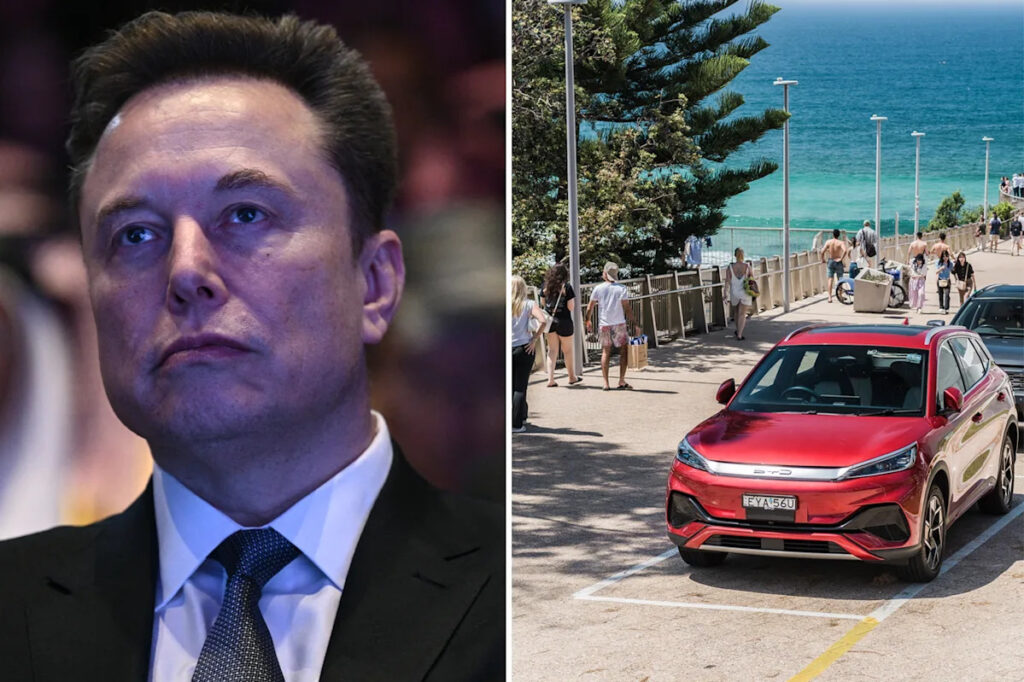
When Wang Chuanfu, the founder of a then-obscure Chinese battery company, boldly predicted nearly two decades ago that his company would become the world’s largest car manufacturer by 2025, many dismissed his vision. Yet this week, BYD, the company he founded, has overtaken Tesla as the world’s largest seller of electric vehicles (EVs), marking a significant shift in the automotive landscape.
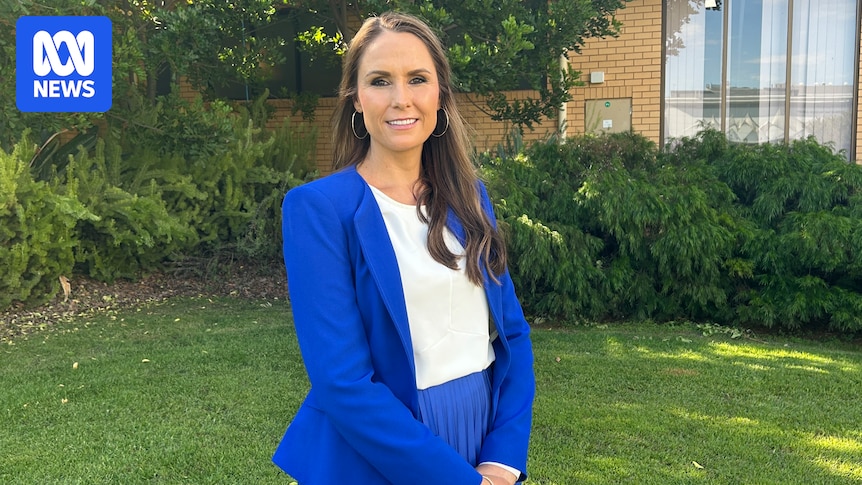
This development signals a transformative phase in the car market, according to experts in Australia’s automotive industry. It also represents a potential boon for Australian consumers seeking affordable electric vehicles. Hussein Dia, Professor of Future Urban Mobility at Swinburne University, suggests that this shift indicates a move away from “personality-driven” brands like Elon Musk’s Tesla as the electric vehicle market matures.
“Early on, EVs were driven by innovation and brand leadership,” Dia noted. “Tesla capitalized on those who bought into Musk’s vision. However, as electric vehicle adoption becomes more mainstream, factors such as cost, reliability, and value are taking precedence.”
BYD’s Rise and Tesla’s Challenges
Last week, BYD reported a nearly 28 percent increase in sales of its battery-powered cars, reaching 2.26 million units in 2025. In contrast, Tesla announced deliveries of 1.64 million vehicles during the same period, marking an 8% decline from 2024 and the company’s second consecutive annual drop.
“This doesn’t mean Tesla is failing,” Dia explained. “It means the EV market is starting to mature, and dominance is shifting from a single standout brand to companies that can deliver large volumes at lower prices.”
BYD’s strategic focus on affordability is evident in its pricing. In 2026, the BYD Atto 1, a compact electric hatchback, starts at $23,990 plus on-road costs for the base Essential model. Meanwhile, the cheapest new Tesla in Australia, the Tesla Model 3 Rear-Wheel Drive (RWD), starts at around $54,900 plus on-road costs.
Global Expansion and Market Strategy
Last year, BYD made headlines with the introduction of its super-sized car carriers, the largest of their kind, measuring approximately 220 meters in length. This move was part of an aggressive strategy to expand its international footprint with “unprecedented speed,” a goal that has clearly been met.
Dia believes that the conversation in most Australian households about buying new cars is shifting from a choice between brands to a decision between petrol and electric vehicles. “That shift favors manufacturers like BYD, who are building EVs the way Toyota once built petrol cars: at scale, with tight cost control,” he said, highlighting affordability as a key component of BYD’s success.
“Tesla helped normalize EVs, but BYD is helping normalize EV prices,” Dia emphasized. “For many households, the decision isn’t Tesla versus BYD, it’s EV versus petrol. Cheaper EVs make that decision much easier.”
The Future of Tesla
Despite the current challenges, Dia remains optimistic about Tesla’s future. He points to Tesla’s strong engineering track record and loyal customer base as indicators of a potential rebound.
“But it now faces serious competition across every price point,” he said. “I expect Tesla to focus more on cost reductions, new lower-priced models, and expanding energy and in-vehicle software services. The era of Tesla being the only obvious EV choice is over, but that doesn’t mean it’s irrelevant.”
This shift in the EV market landscape could have far-reaching implications for consumers and manufacturers alike. As the competition heats up, the focus on affordability and value is likely to benefit consumers, particularly in markets like Australia where cost is a significant factor in purchasing decisions.
For Tesla, the challenge will be to adapt to this new reality and leverage its strengths to remain a key player in the evolving EV market.