

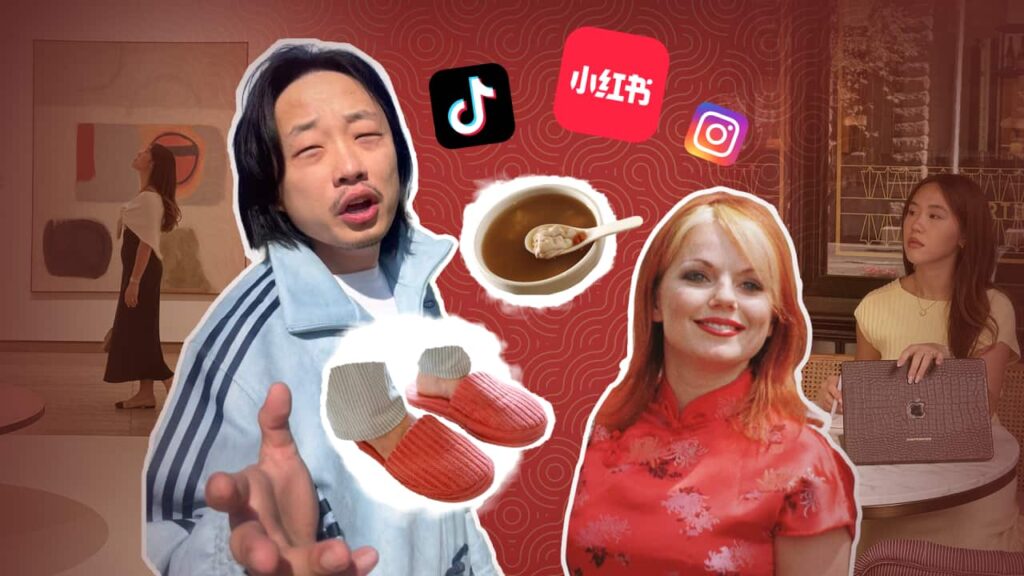
Videos showcasing traditional Chinese practices like drinking hot water, wearing slippers at home, and boiling apples have recently taken social media by storm. This trend, known as ‘Chinamaxxing’, has garnered mixed reactions, particularly from those of Chinese heritage who view these practices as a reduction of their culture to mere aesthetics.
Non-Asian creators are increasingly seen embracing Chinese food customs, such as drinking soup for breakfast and adopting Traditional Chinese Medicine (TCM) practices. A popular TikTok video featuring a young man eating steamed buns has amassed 1.4 million views since its October posting. This phenomenon raises questions about the motivations behind the trend and its implications for cultural appreciation versus appropriation.
The Cultural Appropriation Debate
Chinese Australian content creator Vanessa Li initially found the trend intriguing, appreciating the newfound interest in Chinese culture. However, she now harbors mixed feelings, noting that Chinese culture is often reduced to consumable aesthetics like wearing slippers or the Tang jacket. Li questions whether this trend is driven by genuine interest or simply a desire for social media engagement.
The trend appears to have been partly inspired by a line from the 1999 movie “Fight Club”, where the protagonist says, “You met me at a very strange time in my life”. Creators have adapted this to “a very Chinese time”, adding to the trend’s viral appeal.
Social Media and the Spread of Chinamaxxing
Dr. Jennifer Beckett, a senior lecturer in media and communications at the University of Melbourne, notes that the trend gained momentum in late 2025. Initially bubbling under the surface, it has since exploded in popularity, fueled by social media platforms like TikTok and Instagram.
Comedian Jimmy O. Yang’s recent TikTok video, where he dons a traditional Tang-inspired jacket, further exemplifies the trend’s reach. The jacket is part of Adidas’ Chinese New Year collection, designed by Canadian-born Hong Kong performer and designer Edison Chen. Meanwhile, Chinese influencers are offering tips on how to be a “Chinese baddie”, further promoting the trend.
Global Influences and Political Context
Dr. Fan Yang, a research fellow on digital technologies at the University of Melbourne, first noticed the trend on Xiaohongshu, a Chinese lifestyle app popular among Americans. Yang highlights the cultural exchange facilitated by the platform, which became bilingual following an influx of American users last year.
Beckett suggests that the current political climate in the United States, marked by divisive rhetoric and a longing for community, contributes to the trend’s appeal. The rise of wellness culture and a shift away from Western medicine also play a role, with movements like Make America Healthy Again (MAHA) promoting alternative health practices.
“There’s also an element of it [Chinamaxxing] which is really about slowing down and responding to the [seasons], and sort-of anti-tech.”
The Role of 90s Nostalgia and the Trump Effect
The resurgence of 90s nostalgia, an era characterized by Chinese influences in fashion and culture, further fuels the trend. Traditional dresses like the cheongsam and the integration of Chinese medicine into Western institutions reflect this nostalgia. Beckett notes that this cultural revival coincides with a particularly volatile period in US politics and global affairs.
Yang points to the nickname “Chuan Jianguo” used by Chinese netizens for former US President Donald Trump, suggesting that his policies inadvertently benefit China. This complex geopolitical landscape may be encouraging people to reassess their views on China.
Implications and Future Prospects
While the Chinamaxxing trend encourages cultural appreciation, it also risks perpetuating stereotypes. Yang hopes it will help debunk myths about Asian food, such as the stigmatization of MSG. However, she stresses the importance of intention behind the content, urging creators to genuinely engage with Chinese culture rather than exploiting it for clicks.
“Not every single Chinese person drinks hot water,” Yang says, emphasizing the diversity within Chinese culture.
Li’s mixed feelings stem from her personal experiences with cultural identity. Growing up, she faced ridicule for her Chinese heritage, and the trend’s reduction of her culture to a “vibe and a trend” is concerning. She worries about the disposability of cultural trends in the fast-paced world of social media.
As the Chinamaxxing trend continues to evolve, it remains to be seen whether it will lead to a deeper understanding and appreciation of Chinese culture or simply fade as a passing fad. The conversation around cultural appropriation versus appreciation is ongoing, and the trend’s future will likely depend on how it is navigated by both creators and consumers.