

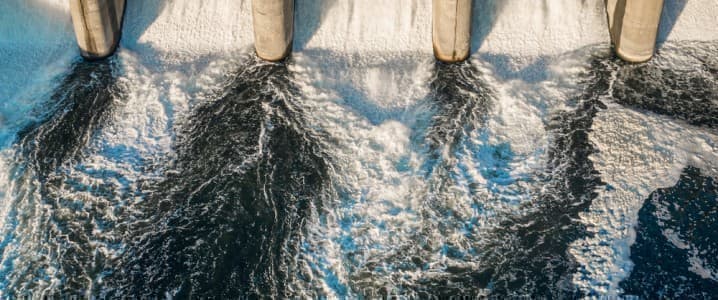
The world’s largest pumped hydro energy storage facility is nearing completion in China, marking a significant milestone in the country’s ambitious energy strategy. Situated at the Lianghekou Dam on the Western Sichuan plateau, this megaproject is poised to propel China closer to its goal of becoming the world’s leading electrostate, while advancing the burgeoning long-duration energy storage sector.
The facility, once completed, will feature four units of 300 megawatts (MW) each, making it the largest of its kind globally. It will integrate a conventional hydropower plant with a pumped hydro energy storage system. This technology operates by pumping water uphill during periods of surplus energy generation and releasing it to flow downhill through turbines to produce electricity when demand peaks.
China’s Energy Ambitions and Environmental Concerns
The combined capacity of the hydropower plant and the pumped hydro facility will reach 4.2 gigawatts (GW), establishing it as the “world’s largest hybrid pumped hydro storage system,” according to a report from Interesting Engineering. The facility is designed to harness green energy from 7 GW of renewable energy installations being developed on the plateau, effectively becoming the region’s “super power bank.”
Pumped hydro is a well-established technology in China, valued for its long-term storage potential and its role in the country’s increasingly electrified economy. However, environmentalists frequently criticize such megaprojects due to their disruptive impact on ecosystems. Moreover, hydro systems are susceptible to climate change, as demonstrated by reduced output in Sichuan in 2022. Despite these challenges, the Chinese government believes the benefits surpass the risks.
China’s Leadership in Global Energy Storage
Even before this substantial addition to its energy storage capacity, China has been a leader in the global energy storage sector. The government has aggressively promoted the sector’s growth as part of a broader strategy to enhance domestic energy security and assert Beijing’s dominance as a clean energy superpower. Leading in energy storage innovation and deployment is crucial to China’s ambition to become the first electrostate.
Globally, the energy storage sector is experiencing rapid growth, driven by rising demand from utilities and data centers, along with the expansion of variable energy sources like wind and solar. Increasing energy demand and complex energy flows are straining global grids and creating market volatility. Energy storage is essential for addressing these challenges and ensuring grid resilience.
Energy storage is gearing up to be “clean energy’s next trillion-dollar business.”
The Future of Energy Storage
Currently, the energy storage landscape is dominated by lithium-ion batteries, which have limitations, including short storage durations and geopolitical complexities in their supply chains, primarily controlled by China. While lithium-ion batteries can store energy for a few hours, balancing energy from wind and solar requires systems that can store energy for days or even seasons.
Long-term storage solutions, such as pumped hydro, will become increasingly vital as the global transition to clean energy accelerates. Despite setbacks in U.S. clean energy policy, solar and wind energy continue to thrive globally due to their cost-effectiveness.
In the United States, the energy storage sector remains robust despite policy challenges. Grid battery installations hit record levels in 2025, but significantly more investment and policy support are necessary for the U.S. to compete with China in energy storage innovation and deployment.
As China nears the completion of this monumental project, the implications for global energy dynamics are profound. The move not only strengthens China’s energy security but also underscores its commitment to leading the global clean energy transition.