




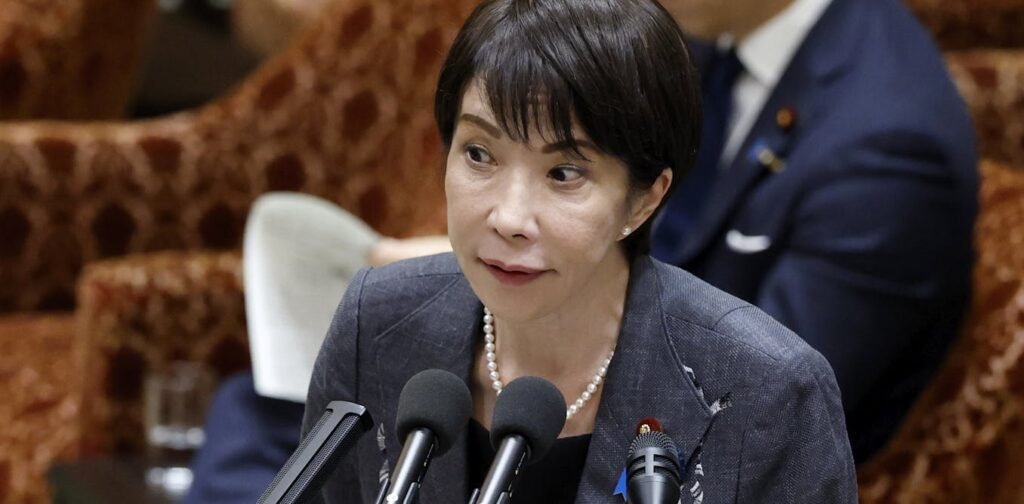
Relations between China and Japan have reached a new low, with recent diplomatic tensions unlikely to be resolved swiftly. The current crisis was ignited by remarks from Japanese Prime Minister Sanae Takaichi in the Diet on November 7, suggesting that any Chinese military action against Taiwan could prompt a Japanese military response. Takaichi described such a scenario as a “survival-threatening situation” for Japan, justifying its right to collective self-defense alongside its US ally.
The announcement comes as both nations navigate a complex historical relationship, with Taiwan at the center of the latest diplomatic storm. Taiwan, once a Japanese colony, is considered by Beijing as a province of China, despite never being under Communist rule. Statements from Japan challenging this view are seen by China as interference in its domestic affairs, prompting a swift and stern response from Beijing.
Diplomatic Crisis Unfolds
In the wake of Takaichi’s comments, China’s “wolf warrior diplomats” demanded an apology and launched a verbal assault on the Japanese leader. When Takaichi refused to retract her statements, Beijing retaliated with a combination of political, economic, and military pressure. This included warnings to Chinese citizens about traveling to Japan, reduced imports of Japanese seafood, and the cancellation of cultural events featuring Japanese artists.
Meanwhile, Chinese military activity increased near the disputed Senkaku Islands, known as the Diaoyu Islands in China, further heightening tensions. An international campaign to isolate Japan was also initiated, with formal protests lodged at the United Nations and global leaders pressured to side with China against Japan.
Tension Spills into Trade
China and Japan are significant trading partners, and the current crisis threatens to impact economic relations. With a fifth of Japan’s inbound tourism originating from China, the economic fallout could be substantial, potentially reaching ¥2.2 trillion (A$14.2 billion). However, Beijing’s actions are still less severe compared to past conflicts, such as the 2010 rare earth export ban following a maritime incident.
Historically, despite diplomatic disputes, both nations have maintained strong trade ties. Japanese investments have played a crucial role in China’s industrial growth, and economic cooperation has often served as a buffer against political tensions. This was exemplified in 2006 when then-Prime Minister Shinzo Abe visited Beijing, emphasizing a “mutually beneficial relationship based on common strategic interests.”
No Off-Ramp in Sight
Despite past efforts to de-escalate tensions, the current situation appears more challenging. Takaichi, known for her conservative stance, has aligned closely with the US and emphasized strengthening Japan’s defense capabilities. Her administration has linked Taiwan’s security directly to Japan’s, reflecting concerns about regional stability following Russia’s invasion of Ukraine.
Plans to increase Japan’s defense budget and potential tax hikes to fund these initiatives underscore the seriousness of the situation. Takaichi’s firm stance has garnered support from Taiwan’s leadership and bolstered her domestic approval ratings, diverting attention from previous political scandals.
As Xi Jinping’s China grows more powerful, it possesses numerous options to escalate tensions further, including trade restrictions and military exercises. However, Japan has adapted from past crises, diversifying its supply chains and reducing reliance on China. The absence of the Komeito party in Takaichi’s coalition, along with the diminished influence of pro-China figures within the Liberal Democratic Party, suggests a hardening stance against Beijing.
With diplomatic channels limited and domestic political agendas taking precedence, a resolution to the current dispute remains elusive. The ongoing tensions highlight the fragile balance in Sino-Japanese relations and the broader implications for regional security.