
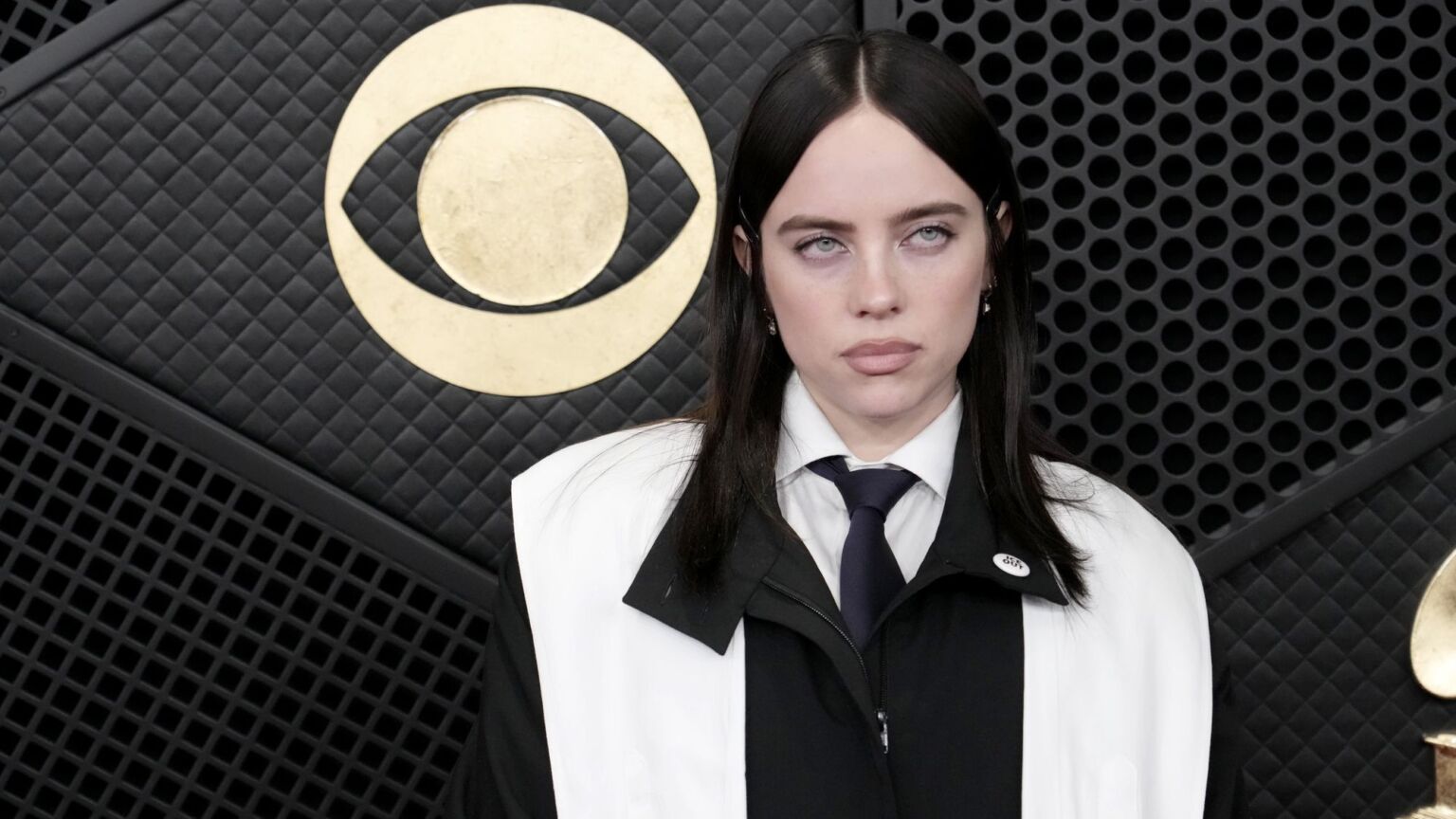
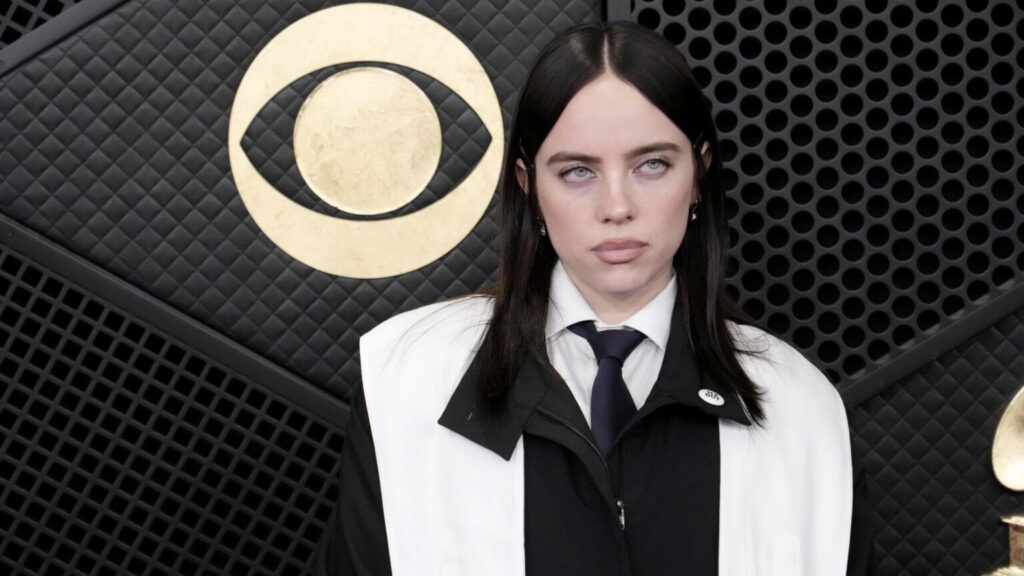
LOS ANGELES, CALIFORNIA - FEBRUARY 01: (FOR EDITORIAL USE ONLY) Billie Eilish attends the 68th GRAMMY Awards at Crypto.com Arena on February 01, 2026 in Los Angeles, California. (Photo by Jeff Kravitz/FilmMagic)
A cynic once remarked that the allure of wealth, attention, and romantic escapades drives many into the arts, a sentiment that seems to resonate across the creative and performing industries. While artists often extol their dedication to their craft, the reality is that many seek recognition, a notion famously echoed by actress Liz Hurley when she differentiated creatives from ‘civilians.’ Celebrities often form tight-knit communities, vacationing together and raising their children in interconnected social circles. Yet, when their behavior extends into the public sphere, particularly in political discourse, it becomes a matter of public concern.
It is not uncommon for celebrities to voice their political opinions, especially during election seasons. However, history has shown that celebrity endorsements can backfire, as seen in the 2020 U.S. presidential election. Despite high-profile endorsements from the likes of Beyoncé, Bruce Springsteen, and Oprah Winfrey, Kamala Harris lost crucial swing states to Donald Trump. This suggests that the public may not be swayed by celebrity influence, often perceiving it as out of touch with the realities of ordinary life.
The Disconnect Between Celebrities and the Public
The Grammy Awards recently highlighted this disconnect, with celebrities like Billie Eilish using their platforms to criticize the Trump administration’s immigration policies. Eilish’s acceptance speech for Song of the Year included a pointed critique of the Immigration and Customs Enforcement (ICE) agency, stating,
“No one is illegal on stolen land… our voices really do matter, and the people matter. Fuck ICE!”
Other artists, such as Bad Bunny and Justin Bieber, also displayed their disdain for ICE through badges and speeches.
While these statements may resonate within celebrity circles, they often fail to connect with the broader public. The notion that democracy should be swayed by celebrity opinions is seen by many as arrogant. As F. Scott Fitzgerald once said,
“The test of a first-rate intelligence is the ability to hold two opposed ideas in the mind, at the same time, and still retain the ability to function.”
Ordinary people can admire celebrities while disagreeing with their political stances.
The Luxury Belief Phenomenon
The current trend among celebrities to support open borders and criticize immigration enforcement is seen by some as a ‘luxury belief’—a stance adopted more for social signaling than practical concern. This perspective gained traction following movements like #MeToo and Black Lives Matter, where aligning with progressive causes became a badge of honor among the elite.
However, the practicality of such beliefs is often questioned. Critics argue that celebrities, living in gated communities and enjoying the benefits of cheap labor, may not fully grasp the complexities of immigration issues. The irony is not lost on the public, who often view these stances as hypocritical, especially when juxtaposed with the lavish lifestyles of the stars.
Impact and Implications
The influence of celebrity endorsements on political and social issues remains a contentious topic. While they can bring attention to important causes, they also risk alienating the very audience they seek to engage. The rise of AI in the entertainment industry further complicates this dynamic, as digital performers like Xania Monet gain popularity without the baggage of political commentary.
As the landscape of celebrity influence continues to evolve, it raises questions about the role of public figures in shaping societal norms. The debate over celebrity involvement in politics and social issues is unlikely to dissipate soon, but it serves as a reminder of the complex relationship between fame and influence.
Ultimately, celebrities may need to reconsider their approach to advocacy, balancing their desire to effect change with an understanding of public sentiment. As the saying goes,
“It is better to keep your mouth shut and be thought a fool than to open it and remove all doubt.”
Until then, the conversation around celebrity endorsements and their impact on society will undoubtedly continue to spark debate.