



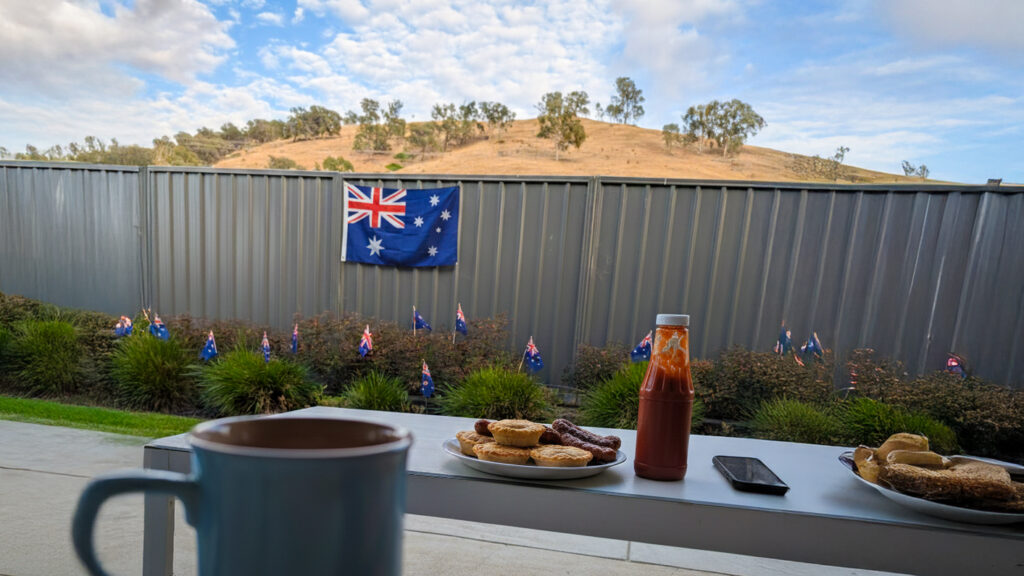
Today marks Australia Day, a moment for reflection on the nation’s rich history and its substantial contributions to the global technology landscape. Australia has consistently punched above its weight in innovation, exporting technologies that have fundamentally altered global operations. From the Wi-Fi you’re likely using to read this, to life-saving medical breakthroughs, Australian ingenuity is embedded in the fabric of modern life.
The Wi-Fi Revolution and Aviation Safety
It’s impossible to discuss Australian tech without mentioning Wi-Fi, a groundbreaking project that originated from the CSIRO’s radioastronomy research in the 1990s. Initially aimed at listening for black holes, a team of mathematicians and scientists inadvertently solved the problem of indoor radio wave interference, giving birth to the Wi-Fi technology we rely on today.
Another monumental Australian invention is the Black Box flight recorder, conceived by Dr. David Warren in 1953. Motivated by the need to understand why planes crashed, Warren’s invention has become a mandatory safety feature on every commercial flight worldwide. This technology, designed in Melbourne, remains the gold standard for aviation safety, ensuring that each flight is safer than the last.
Medical Innovations: Ultrasound and the Cochlear Implant
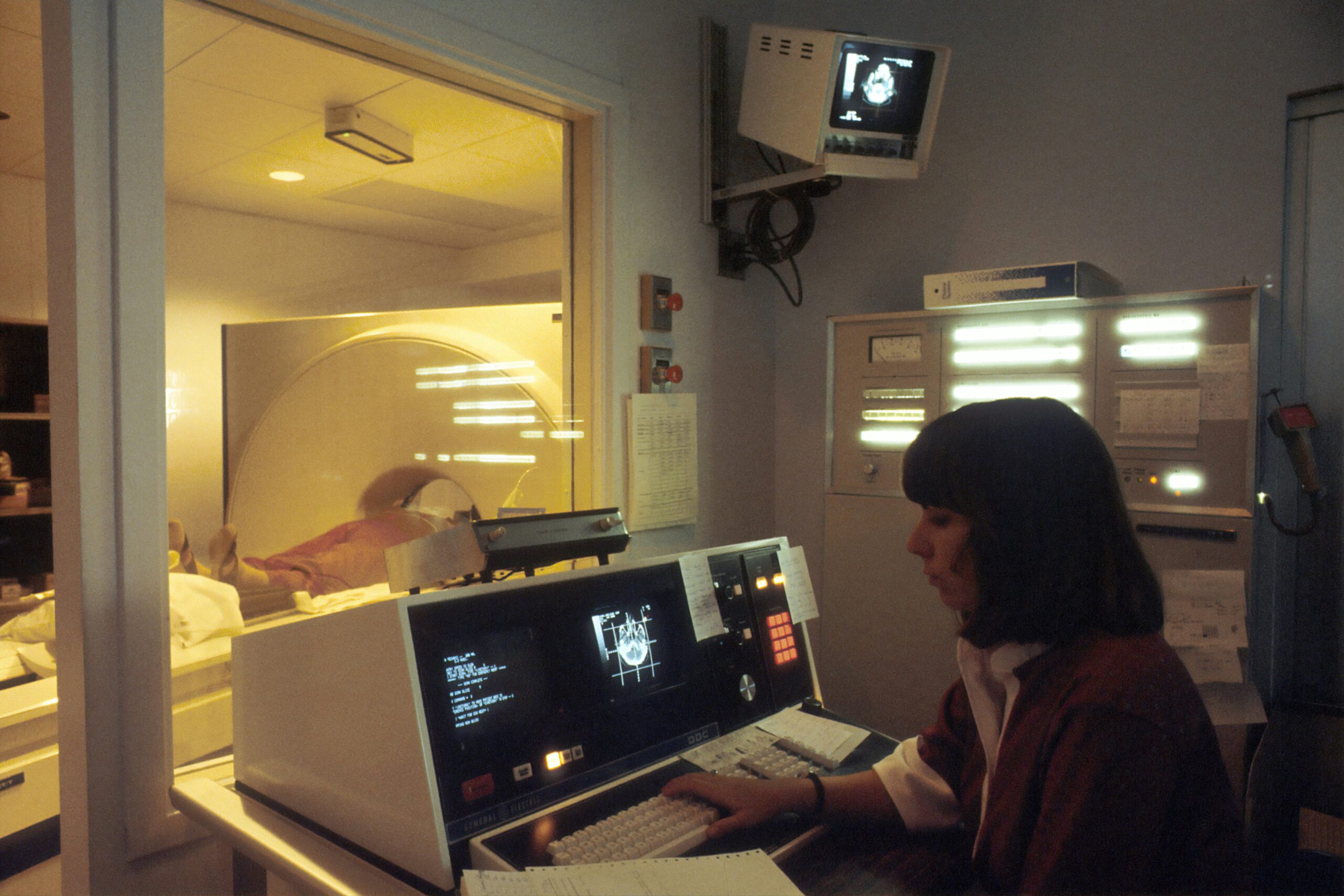
Australia has also been at the forefront of medical imaging with the development of ultrasound technology in the early 1960s by David Robinson and George Kossoff. Their work at the Commonwealth Acoustic Laboratories revolutionized prenatal care by allowing doctors to view unborn babies without the risks associated with X-rays.
In the 1970s, Professor Graeme Clark introduced the world to the Cochlear Implant, or the ‘bionic ear,’ restoring hearing to hundreds of thousands. Initially deemed impossible, Clark’s success demonstrated Australia’s prowess in medical engineering. Today, Cochlear remains a global leader, showcasing the potential of scaling homegrown research into commercial triumphs.
From Google Maps to High-Tech Banknotes
While Google is an American giant, the foundation of Google Maps began in Sydney with Where 2 Technologies. Acquired by Google in 2004, the core idea of a web-based, searchable map originated on Australian soil, becoming one of the most utilized software globally.
Even the money in your wallet has Australian roots through the development of polymer banknotes. Collaborating with the Reserve Bank of Australia, the CSIRO created notes that are nearly impossible to forge and last significantly longer than paper. This innovation has been adopted by numerous countries, underscoring Australia’s leadership in material science.
A Thriving Startup Ecosystem
Beyond individual inventions, Australia’s startup ecosystem has matured into a global powerhouse, currently ranked 12th worldwide. No longer a quiet outpost, Australia boasts over 10 homegrown unicorns that have become internationally recognized. Companies like Canva, Atlassian, and Airwallex exemplify how Australian founders can build multi-billion dollar platforms from humble beginnings.
Canva, the jewel of Sydney tech, recently reached a valuation of A$39 billion, dominating the global design market. Atlassian continues to set standards for remote work and enterprise software, while Airwallex and Judo Bank are redefining fintech, providing the financial infrastructure for a digital-first global economy.
University Research and Deep Tech Investment
Australia’s innovation isn’t confined to co-working spaces; it’s deeply rooted in a world-class university research ecosystem. The Australian Government’s Trailblazer Universities Program is investing over A$370 million to commercialize breakthroughs in space and honey-tech. Initiatives like iLAuNCH are bridging the gap between the lab and the launchpad, advancing Australia’s sovereign space and satellite capabilities.
The pipeline for deep tech is robust, with over A$72.5 million recently awarded through AEA Ignite grants for high-impact research. This investment ensures that the next generation of Australian inventions transitions from thesis to global product, with significant pushes into quantum computing and medical diagnostics.
The Data Centre Boom and Renewable Energy
As we progress into 2026, Australia is emerging as a regional hub for data centers, driven by the exponential demand for AI. Major players like AWS and Microsoft are investing billions—A$20 billion and A$5 billion respectively—to expand Australia’s digital infrastructure. Local leaders like NEXTDC and Macquarie Data Centres are also scaling up, ensuring data remains onshore with low latency.
What sets the Australian data center boom apart is the emphasis on renewable energy. Projects like the A$2.5 billion Supernode in Queensland pair massive data capacity with 250MW of battery storage, showcasing a commitment to sustainable tech infrastructure.
Electric Vehicle Infrastructure and Tech Adoption
Australia’s daily life is being transformed by the rapid expansion of electric vehicle (EV) infrastructure. In 2026, the range of available models is expanding, with the BYD Atto 1 arriving at just A$23,990, becoming the most affordable EV yet. The National Electric Vehicle Strategy aims to make charging faster and more accessible, reflecting a significant shift in transportation.
Australians are not just inventors but also avid adopters of technology. As of early 2026, internet penetration is at a staggering 97.4%, with technology managing the complexities of modern life. Research indicates that over 57% of Australians actively use AI tools to navigate the cost-of-living crisis and manage household tasks, moving beyond the ‘hype’ phase to practical utility.
Conclusion: A Legacy of Innovation
As Australians enjoy their Australia Day festivities, it’s a moment to appreciate the technology that makes it all possible. The nation is a hub of problem solvers, and if history is any guide, the next global invention is likely being developed right here. The future of Australian tech is bright, promising further advancements as we move deeper into the age of intelligence.