




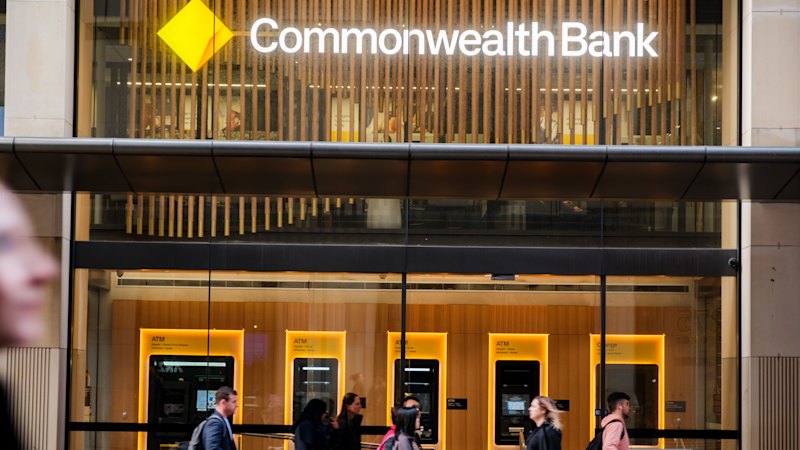
Commonwealth Bank of Australia (CBA) chief Matt Comyn has projected a brief cycle of interest rate hikes, suggesting minimal impact on the property and mortgage markets, as the bank anticipates only one more rate increase from the Reserve Bank of Australia (RBA).
Announcing a robust $5.4 billion half-year profit that surpassed market expectations, Comyn stated on Wednesday that inflation is exerting “upward pressure” on interest rates. However, he reassured that the central bank’s rate hikes would be “relatively brief.” This announcement triggered a 6.4 percent surge in CBA shares during early trading, as analysts noted that the bank’s provisions for bad debts were lower than anticipated.
Interest Rate Outlook and Market Reactions
Comyn, speaking to the media, expressed that the bank foresees one more rate increase this year, acknowledging that this would be unwelcome news for borrowers already under financial strain. “We’ve seen one rate increase, we expect that there’ll be perhaps one more, but we don’t think more than that,” he remarked. He further indicated that there would likely be pressure to revert to an easing cycle thereafter.
Despite the anticipated rate rise, Comyn suggested the impact on housing and home loans would be “slight,” predicting credit growth and house price growth of about 5 percent this year. “I don’t think it’s going to have a really significant impact,” he added, noting that for households already stretched, the prospect of increasing rate hikes is not favorable, though the period of hikes is expected to be brief.
Capital Gains Tax and Housing Affordability
In addition to interest rates, Comyn addressed potential changes to the capital gains tax regime, a topic gaining attention following reports that Treasurer Jim Chalmers is considering a reduction in capital gains concessions ahead of the upcoming budget. Comyn emphasized that any changes should be part of a broader package aimed at enhancing housing affordability and addressing “intergenerational equity.”
“Without having any of the specifics, I could envisage that [changes to capital gains tax rules] would be an appropriate measure to look very closely at,” Comyn stated, highlighting the need for increased housing supply and the growing tax burden on working Australians over time.
Strong Financial Performance and Market Position
CBA’s December half results revealed a 5 percent increase in cash net profit compared to the same period last year, surpassing analyst expectations. The bank announced a 4 percent rise in its interim dividend to $2.35, with analysts having anticipated profits of approximately $5.2 billion and a dividend of $2.31.
Analysts noted that CBA, along with its competitors, had passed on the RBA’s rate rise to home loan customers in full, a move expected to bolster bank profits. CBA maintained its market share, with one in four Australian home loans under its umbrella, and increased its share of household deposits to 26.6 percent.
The bank has been aggressively expanding into business banking, outperforming the industry average in growing its business loans and deposits. Comyn noted that CBA customers have benefited from lower rates and a strong labor market, resulting in reduced costs for impaired loans and a decline in home loan arrears.
Competitive Landscape and Future Prospects
Despite ongoing cost-of-living pressures on many households, CBA reported a decrease in the share of home loan customers behind on repayments, attributing this to lower interest rates. The bank stated that 87 percent of its customers were ahead of their scheduled repayments.
A key focus for investors is the bank’s net interest margins, which compare funding costs with customer charges. CBA reported a lower margin of 2.04 percent compared to the previous June half, amid stiff competition in home loans, particularly from Macquarie, which has been rapidly expanding its market share.
Citi analyst Thomas Strong commented that CBA’s margin exceeded market expectations, while its bad debt charges of $319 million were “much better than anticipated.” He noted that the profit result reflects the underlying health of the Australian economy and bodes well for the full year.
Comyn concluded by acknowledging the competitive intensity within the financial system, stating, “We continue to watch the competitive intensity and its implications across the financial system. We are well placed to compete effectively and will continue to adjust our settings as appropriate.”