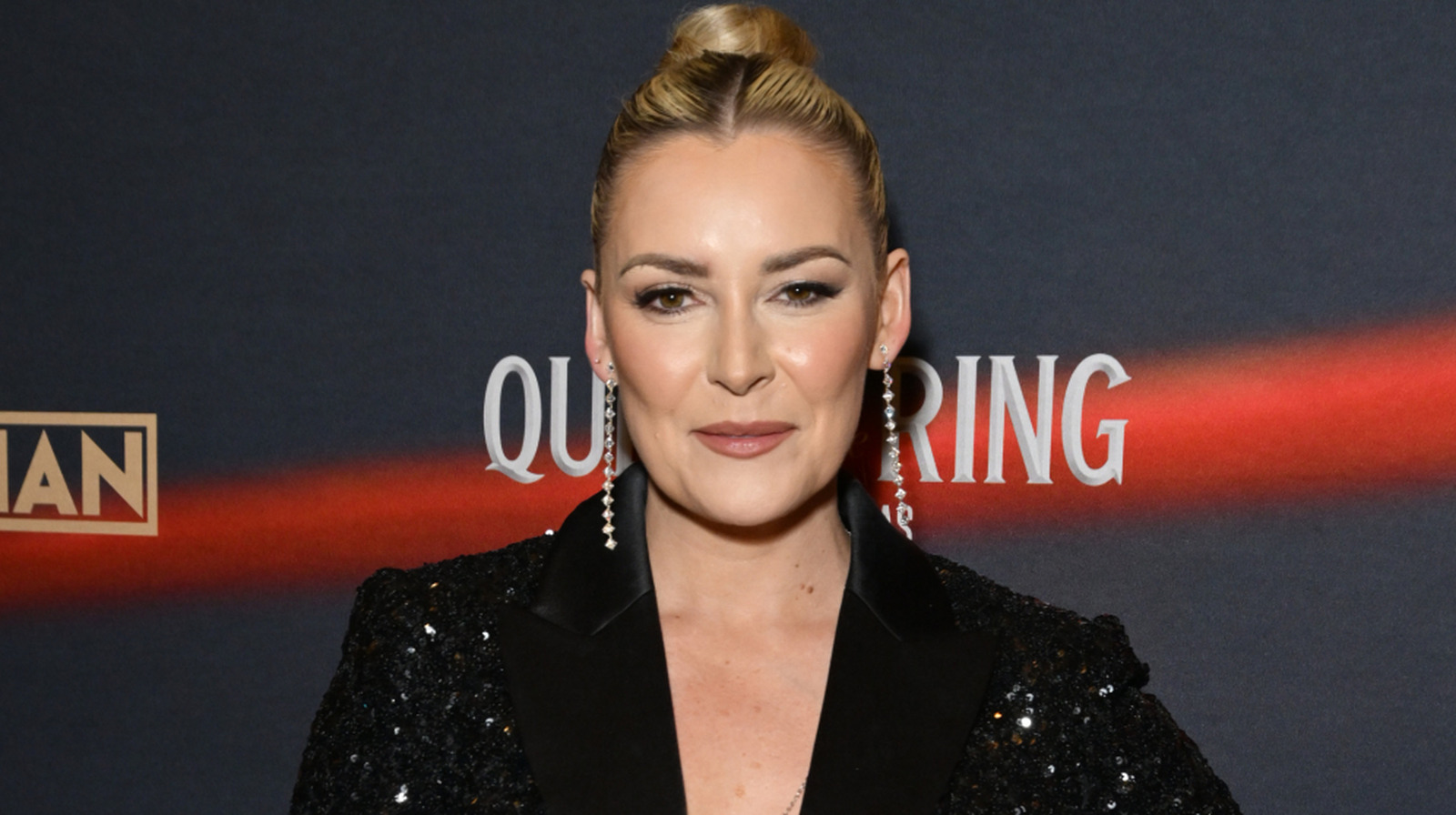



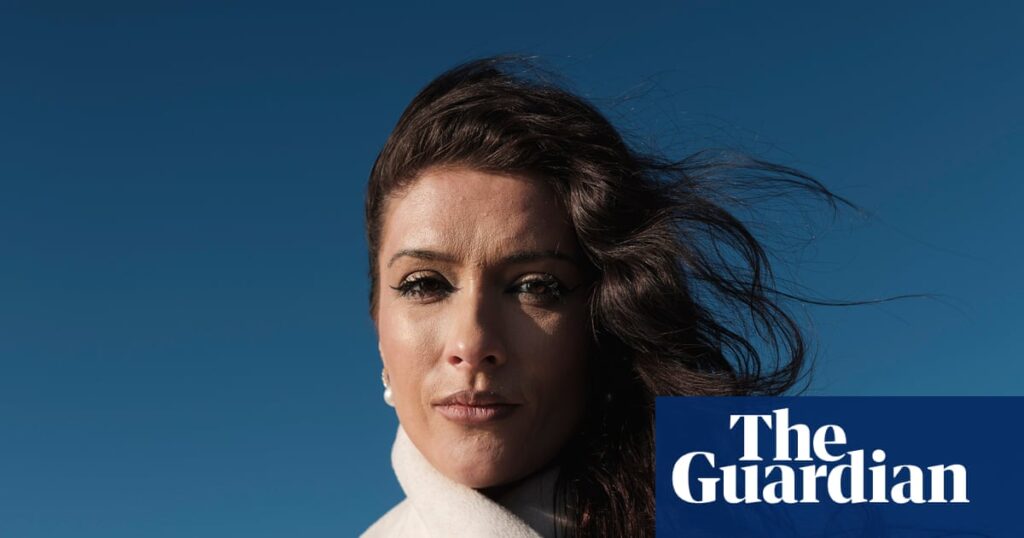
When Cara Hunter, a prominent Irish politician, recalls the moment she discovered she had been deepfaked, she describes it as akin to watching a horror movie. The unsettling revelation came on her grandmother’s 90th birthday in April 2022, at her rural home in the west of Tyrone. Surrounded by family, Hunter received a Facebook Messenger notification from a stranger asking, “Is that you in the video … the one going round on WhatsApp?”
Hunter, who was actively campaigning to defend her East Londonderry seat in the Northern Ireland assembly elections, was no stranger to making videos. However, the message from an unknown man immediately put her on high alert. “I replied that I wasn’t sure which video he was talking about,” she recounts. “So he asked, did I want to see it?” The video he sent was deeply disturbing.
The Rise of Deepfake Technology
The video Hunter received was extremely pornographic, featuring a woman who appeared to have her face. “Even as I’m sitting here talking about it now, I suddenly feel roasting hot,” she says. The clip showed a blue-walled bedroom with American plugs, and the woman in the video was engaged in explicit acts. As messages from strangers poured in, Hunter realized the gravity of the situation. “All of them were just really vitriolic,” she says. “Those messages were from people who hate women.”
At the time, deepfake pornography was still relatively unknown. “The only ‘altered images’ I really knew about at that time were Snapchat filters,” Hunter explains. The technology has since evolved rapidly, becoming more accessible and affordable. “Now I have girls calling me, telling me this has happened to them and ruined their lives,” she says.
Legal and Social Responses
Legislation in England and Wales has begun addressing the issue, with the Online Safety Act and the Data (Use and Access) Act 2025 making it illegal to share, create, or request deepfake intimate images. Northern Ireland is also moving towards criminalizing such acts, with a consultation process that concluded in October.
Despite these legal advancements, public awareness remains limited. Recent police research indicates that one in four people still see nothing wrong with creating or sharing sexual deepfakes. “I was shocked by that,” Hunter remarks. “This is a world where falsified, highly sexualized images can ruin your life, ruin your relationships, your reputation and career.”
The Personal Impact on Hunter
For Hunter, the weeks following the video’s release were “horrific.” Unsure of how to respond, she considered issuing a press release but was advised against it by her party, the Social Democratic and Labour Party (SDLP). “They said: ‘If 10,000 people know about that video now, 100,000 will know after you’ve drawn attention to it.’”
Hunter turned to the police, who informed her that no crime had been committed and they lacked the expertise to investigate. It was Hunter herself who found the original video using reverse image search engines. However, identifying the source of the deepfake on WhatsApp proved impossible due to the platform’s encryption.
“Everywhere I went, people I used to speak to would cross the road to avoid me,” she recalls. Despite her fears, Hunter continued her campaign and narrowly won her seat by just 14 votes, making it the most marginal in Northern Ireland.
Advocacy and Future Prospects
Following her election, Hunter became a vocal advocate for legislation against deepfake intimate image abuse. Her experience underscores the broader issue of violence against women in the digital age. “Few women in public life will be a stranger to being objectified,” she notes, emphasizing the need for change.
Hunter’s journey into politics was unexpected. Initially aspiring to be a journalist, she shifted focus to mental health advocacy after a personal tragedy. At 24, she was elected to local council and later co-opted to the Northern Ireland assembly, where she became a mental health spokesperson.
Despite her achievements, Hunter remains uncertain about her future in politics. “I’m in the most marginal seat in the north and in the last election, I was a porn star, so what the hell is coming next?” she wonders. Her parents urge her to leave politics due to the stress and health risks, but Hunter is passionate about her work. “I love the fact that I can wake up, listen to an issue on Monday morning and take it to the minister on Monday afternoon.”
As Hunter reflects on her experiences, she remains committed to advocating for change and supporting other women who face similar challenges. Her story is a stark reminder of the personal and political implications of deepfake technology and the urgent need for comprehensive solutions.