
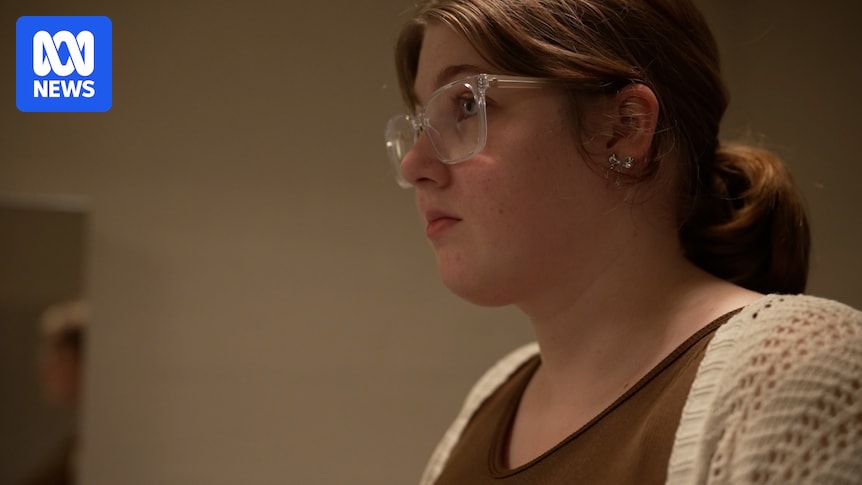
When Canberra local Courtney Edwards visited her hairdresser at the age of 37, she never imagined it would lead to a life-altering discovery. What began as a routine haircut ended with the revelation of a suspicious spot on her scalp, noticed by her attentive hairdresser. Despite having no family history of melanoma and a strong commitment to sun safety, Courtney took the precautionary step of visiting her general practitioner.
Initially, her doctor found no obvious signs of melanoma and recommended a follow-up in six months. However, in December 2024, a biopsy revealed the unexpected: Courtney had melanoma. “It was a real shock. My parents had always been very sun safe. My dad is from Zimbabwe, so we’d always paid a lot of attention to that,” Courtney recalls.
Understanding Melanoma: A National Concern
Courtney’s diagnosis places her among thousands of Australians affected by melanoma, often dubbed ‘Australia’s national cancer’. This year alone, an estimated 16,800 Australians will be diagnosed with the disease. Once considered almost invariably fatal in its advanced stages, melanoma is now much more manageable due to advances in medical research.
“Less than a decade ago, advanced melanoma was almost always fatal, with patients rarely surviving more than a few months. Now, thanks to research from the Melanoma Institute Australia (MIA), up to 90 per cent of melanomas can be cured if detected early.”
Courtney considers herself fortunate. Diagnosed with a large and invasive Stage 2 melanoma, she underwent multiple surgeries to remove the cancer and ensure it hadn’t spread to her lymph nodes. Participating in a clinical trial with MIA, she received immunotherapy and currently shows no evidence of disease.
The Personal Impact and Silver Linings
While the journey has been challenging, Courtney acknowledges some positive outcomes. “There was a chance that the cancer could have spread through my bloodstream, and doing this trial gives me a lot of reassurance that hopefully I’m getting on with my life now and not having to worry too much about the cancer coming back,” she shares.
Her participation in the clinical trial has not only aided her recovery but also contributed valuable data to refine future treatments. “It was very healing for me, having the opportunity to be part of the clinical trial. The data they collect on me helps to refine the treatment for future melanoma patients. It’s a really good feeling to be able to contribute,” she adds.
Marching for a Cause: The Melanoma March
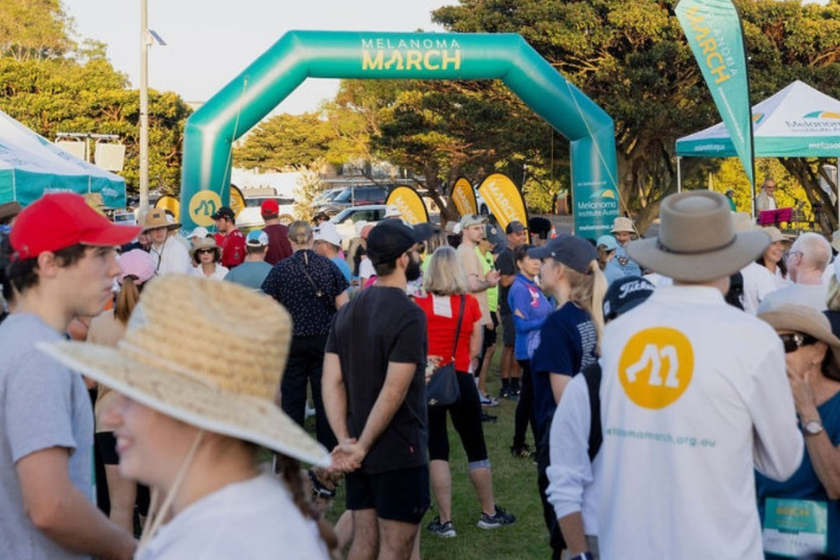
Determined to make a difference, Courtney is now fundraising for the Melanoma March, a significant event that unites communities to support melanoma research. Celebrating its 15th year in 2026, the march originated in 2012 when Manly local James Economides initiated it in memory of his son, Michael, who succumbed to melanoma in 2008 at just 20 years old.
This year, the march is scheduled for Sunday, March 1, at Black Mountain Peninsula Park, where Courtney will join fellow Canberra residents in taking steps to combat melanoma. “Canberra actually has very high melanoma rates for such a small part of the country,” Courtney notes.
“Cancer can be a very lonely experience. When you have people showing up for you and expressing their support, it’s hard to describe how much that means to us.”
Advocating for Prevention
Courtney emphasizes the importance of prevention, urging people to adopt a comprehensive approach to sun protection. “It’s so important for people to be taking a multi-layered approach to protection of their skin from the sun…especially when we live in a country with extremely high UV rates and the highest levels of melanoma in the world,” she advises.
“Every 30 minutes in Australia, someone’s diagnosed with the disease, and every six hours, someone dies. Those stats are mortifying to me…People think it can’t happen to them, and it really can.”
For those unable to participate in the Melanoma March, there are alternative ways to support the cause, such as hosting a March Your Way activity. To register or donate, visit melanomamarch.org.au.