
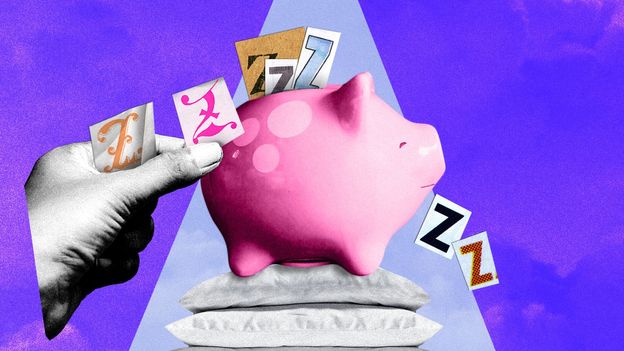
From enhancing focus to boosting sports performance, some scientists suggest that “banking” sleep for future use may offer a range of benefits. The concept of sleep banking involves sleeping extra hours in advance of a busy period to counteract the effects of sleepless nights. But does this strategy truly work?
On weekends, many take the opportunity to sleep in, attempting to catch up on lost rest from the week. However, researchers propose a different approach: accumulating extra sleep before a demanding period. This method, known as sleep banking, could potentially help the brain stockpile crucial resources, improving alertness and cognitive performance when sleep deprivation occurs.
The Science Behind Sleep Banking
Sleep banking is gaining traction among wellness enthusiasts, particularly on platforms like TikTok. Users advocate for banking sleep before long-haul travel or significant work events to enhance mental performance. The concept, likened to topping up a bank account to avoid going into the red, was introduced in 2009 by researchers at the Walter Reed Army Institute of Research in Silver Spring, US.
Led by Tracy Rupp, now at Utah State University, the team explored whether extending sleep time before missions could improve soldiers’ alertness. Their study involved 24 military personnel divided into two groups: one with seven hours of sleep per night and the other with ten hours. The following week, participants were restricted to three hours of sleep per night before returning to eight hours.
Those who banked extra sleep showed less decline in alertness and returned to baseline performance faster than those who hadn’t banked.
Subsequent research across various settings has reinforced the idea that sleep banking can act as a mental and physical prophylactic against sleepless nights. A 2023 study of doctors in Miami found that banking 90 minutes of sleep over three nights improved performance during two weeks of night shifts. Similarly, athletes have reported benefits from sleep banking, with improvements in performance metrics such as serving accuracy in tennis and shooting accuracy in basketball.
Controversy and Skepticism
Despite its popularity, sleep banking remains controversial. Some researchers argue that it is challenging to determine whether the body truly “stores” sleep hours for future use or merely catches up on existing sleep debt. A review of sleep banking among shift workers highlighted potential biases in study designs, questioning whether observed improvements result directly from extended sleep.
At the core of the debate is the fundamental question of why we need sleep. “There are many theories as to why we sleep,” says Peter Polos, associate professor of sleep medicine at Hackensack Meridian School of Medicine. Sleep addresses metabolic, hormonal, neurological, and cognitive needs, with the brain using this time to consolidate thoughts and prioritize important information.
Michael Howell, professor of neurology at the University of Minnesota, emphasizes the physiological necessity of sleep for cellular health. “All your cells need healthy sleep to refuel and repair,” he explains. Sleep allows the brain to clear waste products and replenish glycogen stores, essential for energy when blood glucose drops.
Practical Applications and Expert Opinions
Proponents of sleep banking suggest it can benefit anyone facing upcoming sleep disruptions, such as long-haul flights or exam cramming. Howell advises allowing 30 to 60 extra minutes of sleep for one to two weeks before anticipated sleep deprivation.
He recommends setting alarms later in the morning, as it is generally easier to sleep in than to fall asleep earlier. Conversely, Polos suggests going to bed earlier may work better for some individuals. “Napping is a highly effective way of paying into your sleep account if you’re going to withdraw later,” Howell adds, provided it doesn’t interfere with nighttime sleep.
The effectiveness of sleep banking for those already significantly sleep-deprived is debated. Rupp and colleagues advocate for its potential benefits, while Elizabeth Klerman, professor of neurology at Massachusetts General Hospital and Harvard Medical School, argues against it. “In order to show that sleep banking occurs, you need to show that somebody can sleep when they’re not tired, and there is no evidence for that,” she states.
Klerman cautions against viewing sleep banking as a license to deprive oneself of sleep, emphasizing the importance of sufficient rest for health and well-being. She supports catching up on lost sleep but warns against long afternoon naps that can lead to sleep inertia.
Looking Ahead: Sleep Health and Well-being
Whether viewed as banking for the future or paying off a debt, an extra half-hour of sleep each night can be beneficial. However, Howell warns against regularly needing more than 12 hours of sleep, as it may indicate underlying issues.
Polos advises against relying on sleep banking as a long-term solution, stressing the importance of maintaining a regular sleep schedule and ensuring sufficient quality and quantity of sleep. “Don’t rely on it as an answer to all your sleep issues or all the demands your work or society’s putting on you,” he says.
Ultimately, fostering a healthy relationship with sleep will yield better long-term benefits. For those looking to improve their sleep, science-backed tips are available to optimize slumber.
For more insights on health and well-being, sign up for the Health Fix newsletter by senior health correspondent Melissa Hogenboom, who also writes the Live Well For Longer and Six Steps to Calm courses.
Follow us on Facebook and Instagram for more stories on science, technology, environment, and health.