




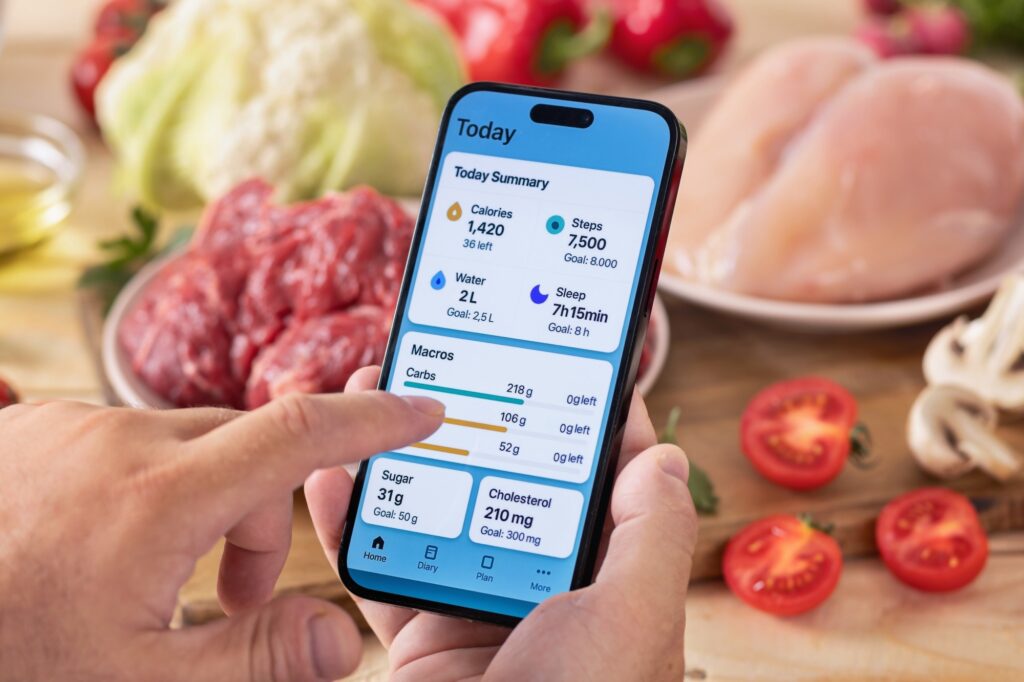
From eco-score apps to immersive virtual supermarkets, researchers are exploring whether technology can nudge people toward healthier and more sustainable eating habits. A recent systematic review published in Nutrients examines the effectiveness of digital technologies in promoting these habits across the general population. Despite promising findings, the study underscores the urgent need for stronger, longer-term evidence.
The review, titled “Digital Tools for the Promotion of Healthy and Sustainable Eating Behaviors in the General Population: A Systematic Review of the Literature,” synthesized evidence from 16 empirical studies. It followed PRISMA (Preferred Reporting Items for Systematic Reviews and Meta-Analyses) guidelines, ensuring a comprehensive analysis of existing literature.
Importance of Sustainable Diets
A proper food system is critical not only for public health but also for environmental sustainability. Diets high in animal-based and ultra-processed foods increase the risk of chronic illnesses and contribute to environmental problems, including higher greenhouse gas emissions and resource use. The One Health approach emphasizes the interconnectedness of human, animal, and ecosystem health, making sustainable food systems essential.
This framework highlights how dietary choices affect public health, the environment, and animal welfare. Shifting towards plant-based and flexitarian diets can significantly improve health outcomes, lower greenhouse gas emissions, and reduce harm to animals. However, promoting sustainable eating habits requires a holistic perspective, as not all sustainability-focused diets are healthy, especially if they are overly restrictive or unbalanced.
Guidelines emphasize that healthy, sustainable diets should provide adequate nutrition, minimize environmental impact, and support overall well-being.
Adopting these habits can be challenging due to cognitive, social, and cultural barriers, including emotional attachment to traditional diets, lack of environmental concern, and practical issues such as limited availability or convenience of sustainable food choices.
Review Characteristics
To date, the impact of digital technologies on sustainable and healthy eating habits has not been thoroughly studied. This systematic narrative review evaluates digital technologies for promoting these behaviors, focusing on categorizing psychological factors and behavioral strategies within digital interventions. Researchers sourced relevant literature from PsycInfo, PsycArticles, PubMed, and ProQuest.
The review included 16 studies, with 56% being randomized controlled trials and 50% non-controlled designs. Only 31% included follow-up assessments lasting 1–4 weeks, and no study extended beyond three months. Mobile app-based studies often included larger samples and follow-up assessments compared to virtual reality studies.
Approximately 94% of the studied articles comprised mixed-gender samples; a few focused only on women or unspecified genders.
Research quality varied: 44% of studies were rated strong, 25% moderate, and 31% weak. Weaknesses mainly stemmed from short or absent follow-up, small sample sizes, and risk of bias. More than 50% of research failed to control for confounding variables.
Impact of Digital Interventions on Sustainable Dietary Behaviors
The study targeted interventions supporting both individual health and environmental sustainability. Despite heterogeneity in study designs, sample sizes, and settings, evidence indicates that digital tools employing diverse psychological and behavioral strategies can produce promising short-term improvements in dietary practices.
Technology offers innovative ways to help people adopt healthier and more sustainable eating habits. Tools such as smartphone apps, web platforms, and VR can encourage positive change by making information more accessible and engaging. Many technologies use psychological techniques like gamification and nudging to support conscious, sustainable choices.
Smartphone apps and VR platforms were most frequently employed and associated with short-term positive effects, particularly in reducing red and processed meat intake and increasing plant-based food choices. However, the magnitude and durability of these effects remain uncertain due to short follow-up periods and methodological variability.
Self-monitoring features, present mainly in smartphone apps, enabled tracking dietary behavior and progress toward personal goals.
Digital tools helped people make decisions through features such as eco-scores, feedback, and motivational messages. Techniques to influence emotions, such as making users feel pride or regret, were used less often but can encourage sustainable choices.
Digital Intervention Shows Promise in Promoting Sustainable Diet
The review highlighted that digital tools, such as smartphone apps and VR, can help people make more sustainable food choices, especially when they include feedback, engaging content, and step-by-step guidance. However, most evidence reflects short-term behavioral shifts rather than sustained change.
The authors emphasize that digital interventions often rely on individual-level prompts and nudges, raising questions about their long-term transformative impact compared to broader systemic or community-based approaches. While digital technologies show potential as scalable tools, the evidence base remains methodologically heterogeneous and relatively immature.
The need for more rigorous, longitudinal, theory-driven, and better-standardized research is crucial to clarify long-term effectiveness and comparative impact across technologies.
As the world continues to grapple with public health and environmental challenges, digital interventions could play a pivotal role in shaping future dietary habits. However, the path forward requires a concerted effort to refine these technologies and validate their long-term benefits.