


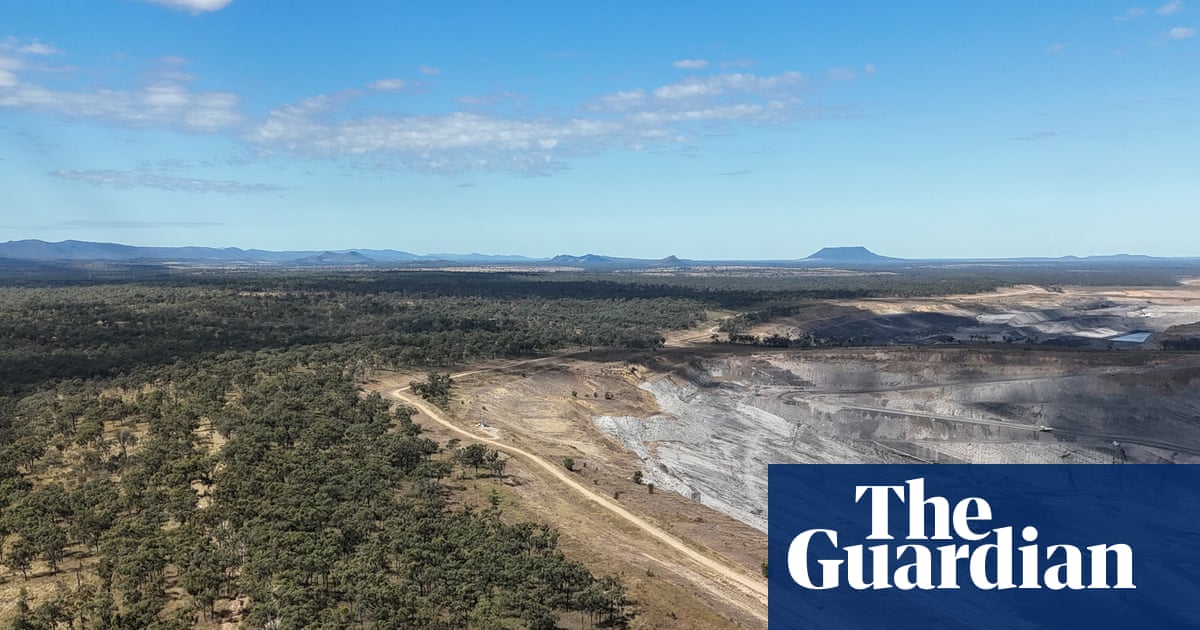

Environmental groups are urging the federal government to step in after the Queensland government approved an extension for the Hail Creek coalmine, known for being Australia’s most methane-polluting open-cut coalmine. The expansion, described by conservationists as a “carbon bomb,” was granted approval on Wednesday, allowing the mine, operated by multinational Glencore, to extend its operations until 2038 and increase its coal output by 24 million tonnes.
The decision permits Glencore to clear 600 hectares of what experts identify as “nationally significant” koala habitat, expanding the mine located west of Mackay. The Queensland environment department justified the approval by assessing the risks to biodiversity and ecological integrity as low, and the project’s climate impact as “low by comparison to global emissions.”
Environmental Concerns and Methane Emissions
Hail Creek is responsible for approximately 20% of Australia’s coalmine methane emissions while only contributing 1% to the country’s coal production. Freja Leonard, a climate campaigner at the Australian Conservation Foundation, highlighted the mine’s disproportionate impact, stating, “Queensland is the biggest contributor to greenhouse gas emissions nationally, and the Hail Creek carbon bomb is a huge part of the problem.”
“UN-backed research found in 2025 that the mine’s methane emissions were likely between three and eight times higher than officially reported.”
Leonard criticized the Queensland government for seemingly retreating from their climate commitments, especially during a period marked by increased climate-related disasters such as floods and bushfires. She called on federal environment minister Murray Watt to reject the expansion proposal, arguing it would exacerbate climate change.
Federal Review and Expert Opinions
The expansion has been referred to the federal government, with the environment department evaluating whether it warrants an assessment under national environment laws. Emeritus Prof Peter Rayner, an atmospheric physicist, emphasized the dangers of methane, describing it as a “super-pollutant” that is 80 times more potent than carbon dioxide and responsible for a significant portion of recent global warming.
“Extending Hail Creek locks in significant emissions for decades to come – which are currently under-reported. This endangers pathways to net zero and hence Australia’s compliance with the Paris Agreement.”
Dr. Claire Gronow from the Lock the Gate Alliance expressed concerns over the destruction of koala habitats, discovered using thermal drone technology, and the broader implications for Queenslanders facing climate chaos, which increases costs for insurance, repairs, and food.
Community and Political Reactions
Queensland Conservation Council campaigner Charlie Cox criticized the state government for prioritizing the mine over environmental conservation, stating, “Disappointingly, the Crisafulli government is willing to bulldoze the home of a nationally significant koala population, but the final decision now sits with federal environment minister Murray Watt.”
Cox added that recent severe floods in Queensland have left communities vulnerable, and approving the mine could worsen future disasters. Meanwhile, Glencore defended its position, asserting that the Hail Creek mine is committed to reducing greenhouse emissions through a greenhouse gas abatement plan and other initiatives.
“Hail Creek mine continues to manage and reduce its greenhouse emissions in compliance with the national safeguard mechanism.”
A spokesperson for the federal department of climate change, energy, the environment, and water confirmed that the extension is under review to determine if it requires a thorough assessment under the EPBC Act.
Looking Ahead
As the federal government deliberates on the necessity of a national environmental assessment, the decision on Hail Creek’s expansion could set a precedent for future resource projects in Australia. The outcome will likely influence the country’s ability to meet its climate targets and commitments under international agreements like the Paris Accord.
The Queensland environment department has yet to comment on the approval, leaving environmentalists and concerned citizens awaiting further developments in this contentious issue.