


Most people are aware of the dangers posed by secondhand smoke, but a lesser-known threat, thirdhand smoke, is gaining attention. This toxic residue, left behind by tobacco smoke on surfaces such as carpets, furniture, and clothing, can linger for years, posing significant health risks. Researchers from UC San Francisco, in collaboration with the California Thirdhand Smoke Research Consortium, have been at the forefront of studying these risks. Their work has culminated in California’s Assembly Bill 455, the first law globally to require disclosure of thirdhand smoke in real estate transactions, set to take effect on January 1, 2026.
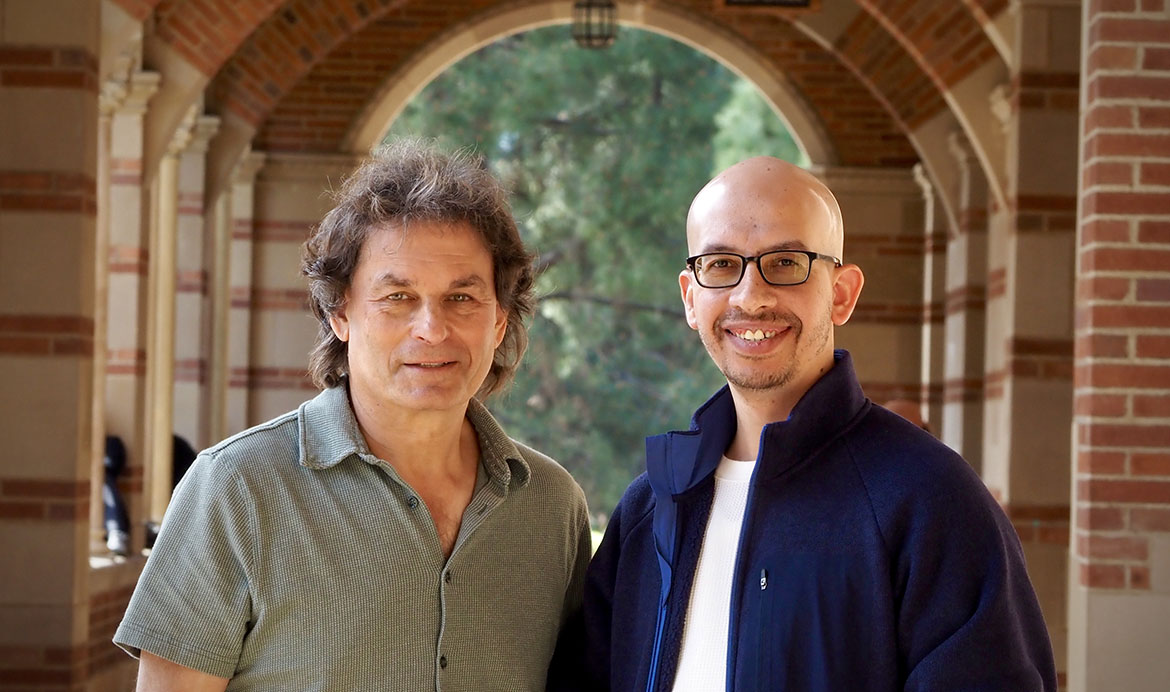
The announcement of this legislation marks a significant step in public health policy. Dr. Neal Benowitz, a UC San Francisco professor emeritus of medicine and a key advocate for the law, explains the importance of recognizing thirdhand smoke as a public health hazard. He recently co-authored a paper in JAMA, emphasizing the necessity of this groundbreaking legislation.
Understanding Thirdhand Smoke
Dr. Benowitz describes thirdhand smoke as the residual chemicals from tobacco smoke that settle on surfaces in environments where smoking has occurred. These chemicals can penetrate fabrics, rugs, and even wall boards, accumulating over time. They can be released back into the air, ingested with household dust, or absorbed through the skin, posing ongoing health risks.
The concern is particularly acute for children, who are more likely to come into contact with contaminated surfaces. “The chemicals in thirdhand smoke are similar to those in secondhand smoke, which are known to cause cancer and heart disease,” Dr. Benowitz notes. “Twenty-six chemicals identified in thirdhand smoke are classified by the State of California as causes of cancer, birth defects, and reproductive harm.”
Health Risks and Vulnerable Populations
While the risks of thirdhand smoke are difficult to separate from secondhand smoke, studies have shown that exposure can cause DNA damage, promote cancer, and lead to immune dysfunction and behavioral disturbances. Particularly at risk are children, individuals with allergies or asthma, the immunocompromised, and the elderly. Those living in multi-unit low-cost housing are especially vulnerable due to the pervasive nature of thirdhand smoke contamination in these environments.
“In mice, researchers have found that thirdhand smoke exposure causes DNA damage, can cause or promote cancer, cause immune dysfunction and behavior disturbances.”
Legislative Action and Future Directions
Assembly Bill 455 defines thirdhand smoke as an environmental hazard, akin to lead, radon, or asbestos. It mandates disclosure if a seller has personal knowledge of smoking or vaping in the home and requires consumer education. The bill also adds thirdhand smoke to the homeowner’s guide to environmental hazards.
Dr. Benowitz hopes that future legislation will address thirdhand smoke in multi-unit housing and inspire similar laws in other states and countries to advance smokefree indoor policies. “We also hope that other states in the U.S., as well as other countries, will adopt laws similar to AB455,” he says.
Mitigating Thirdhand Smoke Exposure
For those concerned about thirdhand smoke, mitigation can begin with washing surfaces and deep cleaning carpets and upholstered furniture. In cases of heavy contamination, removing carpets and furniture may be necessary, and in extreme cases, remodeling may be required to remove walls, insulation, and HVAC systems.
For individuals uncertain about the smoking history of their homes, indoor surface sampling can provide clarity. The Thirdhand Smoke Resource Center at San Diego State University offers FAQs and free sampling kits to qualifying residents of California.
“Over time, the risk gradually decreases. For an older home where no one has smoked for a while, I imagine the levels would be quite low, but probably not zero on the wallboard where it can stay for a long time.”
As awareness of thirdhand smoke grows, California’s legislative action sets a precedent for addressing this hidden health threat, paving the way for broader public health initiatives and greater awareness worldwide.