




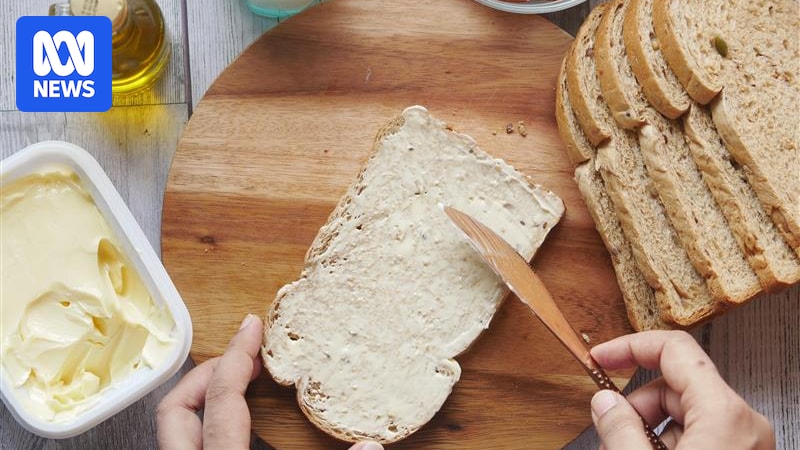
The supermarket shelves are lined with a plethora of options when it comes to butters and spreads, leaving many consumers pondering which choice is best for their household and health. With passionate preferences often divided between butter, margarine, and nut spreads, the question remains: which is the superior option? To uncover the answer, we consulted experts in the field of nutrition and dietetics.
Dr. Emma Beckett, a food and nutrition scientist based in Newcastle/Awabakal, advocates for keeping all three options on hand. “I use them for different things, like baking, cooking, and eating,” she explains. “You might have a preference for the taste of butter, or you might have a preference for the health benefits of margarine, or you might be looking for a nuttier flavor. The choice is ultimately yours.”
Understanding the Differences
Butter, margarine, and nut spreads each have distinct compositions and nutritional profiles. Butter is derived from milk, offering a rich flavor but containing saturated fats. Margarine, on the other hand, is made from vegetable or seed oils and is predominantly composed of unsaturated fats. Nut spreads, as their name suggests, are made from ground nuts like peanuts, almonds, and cashews, and also contain mostly unsaturated fats.
Rebecca McPhee, an accredited dietitian at Diabetes Australia, notes, “A high intake of saturated fat has been shown to increase cholesterol, which has been linked to an increased risk of heart disease.”
However, McPhee emphasizes that butter, margarine, and plant-based spreads can all be part of a balanced diet when used sparingly and alongside nutrient-dense whole foods.
The Reputation of Spreads
Despite their nutritional benefits, some spreads have garnered a “bad rap” over the years. Dr. Beckett highlights that margarine, in particular, has faced scrutiny. “It’s processed and created from seed oils, which typically get a bad name these days that is completely unfounded,” she says. “Margarines used to have trans fats in them, and we now know that trans fats are not very good for us, but they’ve been removed in that process now.”
McPhee concurs, explaining that early versions of margarine contained higher levels of trans fats that elevated low-density lipoprotein (LDL) levels, often referred to as “bad” cholesterol. These versions also had a high omega-6 to omega-3 ratio, which has been linked to increased inflammation.
Dr. Norman Swan, a medically qualified journalist, warns, “Butter, margarine, and nut spreads are all calorie dense. If you’re going to be eating a mountain of margarine or butter, you’re likely to put on weight. There’s a route between a high-fat diet and type 2 diabetes, largely through the fat around your waist. And that also translates to an increased risk of cancer and poorer outcomes if you’ve got cancer.”
Health Benefits and Recommendations
For those concerned about cholesterol, Dr. Beckett suggests opting for margarine with added plant sterols. “We have lots of margarines that have plant sterols added to them, and those are where the real health benefits come,” she explains. Plant sterols, or phytosterols, are natural compounds found in all plant foods that inhibit cholesterol absorption in the gut, leading to an overall reduction in blood cholesterol levels. However, she advises checking product packaging, as not all margarines are high in plant sterols.
Nut spreads, such as 100% peanut or almond butter, are also a nutritious option, particularly those with no added salt or sugar. McPhee states, “Spreads which are rich in beneficial mono and polyunsaturated fats, such as olive oil, nut butters, avocado, or canola oil, are typically considered by most health professionals and governing bodies as the preferred choice for heart health, including in the management of metabolic conditions such as type 2 diabetes.”
Ultimately, McPhee recommends consulting a health professional, like an accredited dietitian, to develop a personalized eating plan that incorporates the spread of your choice. This general information serves as a guide, but for personal advice, it is best to see a qualified medical practitioner.
As consumers navigate the array of choices available, understanding the nutritional differences and potential health impacts of butter, margarine, and nut spreads can help make informed decisions that align with individual dietary needs and preferences.