



A veteran volunteer firefighter has sounded the alarm over the heightened bushfire risk surrounding North Canberra Hospital due to high fuel loads in the nearby bushland. This area includes a significant infestation of African lovegrass, a highly combustible species capable of producing flames up to 30 meters high when ignited.
The warning comes as the Australian Capital Territory (ACT) government acknowledges the potential danger. An official spokesperson confirmed that an assessment was conducted in late 2025, with plans to mitigate the risk by reducing fuel loads in the area.
Community Concerns and Expert Warnings
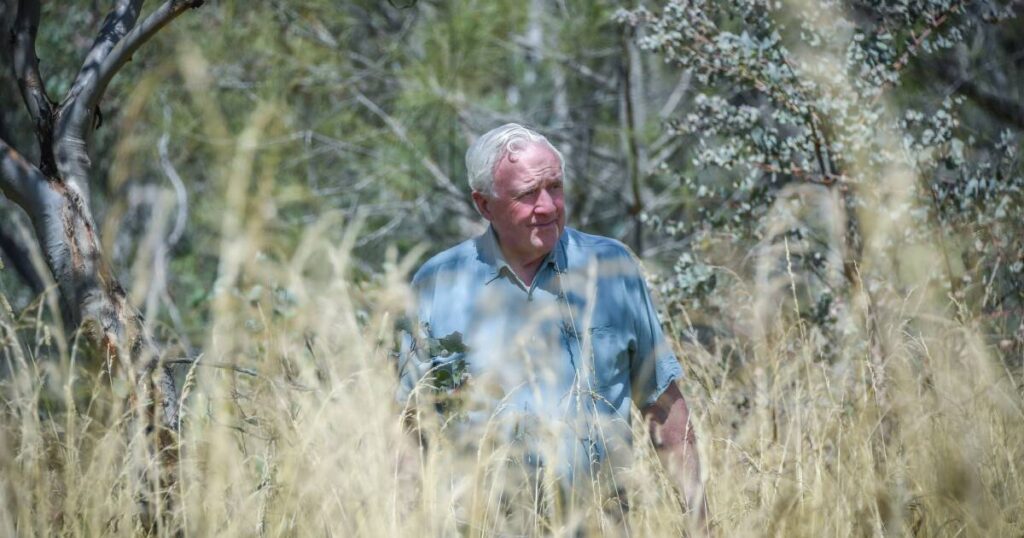
Don Tarlinton, a seasoned firefighter with decades of experience, expressed grave concerns about the lovegrass infestation stretching from Belconnen Way at Bruce across Haydon Drive into the hospital grounds. “This fuel will actually kill people if they’re anywhere close to it, it’ll be so hot. There’s so much fuel,” Tarlinton warned.
His concerns echo those of Geoff Evans, an O’Connor resident, who highlighted the issue in a letter to The Canberra Times earlier this year. Evans described the bushland as a “sitting duck” for fires, urging authorities to clean up the area to prevent potential disaster.
Government Response and Mitigation Plans
The ACT government has outlined a series of actions in their bushfire operations plan for 2025-26. These include the physical removal of fuels behind Calvary Private Hospital and the multi-storey car park, as well as to the north of Hyson Green. Chemical treatments are also proposed for regrowth areas, and management trails are to be slashed annually.
“Activities outlined in the [bushfire operations plan for 2025-26] to be completed around the North Canberra Hospital campus include physically removing fuels behind Calvary Private and the multi-storey car park, and to north of Hyson Green,” the spokesperson said.
Historical Context and Ongoing Risks
With the 23rd anniversary of the devastating 2003 firestorm approaching, Tarlinton criticized authorities for not learning from past disasters. He emphasized the urgent need to address the fuel loads before the summer season intensifies the fire risk.
Adding to the danger, the overgrown bushland adjacent to the hospital’s multi-storey car park has become a popular spot for smokers, increasing the risk of ignition from discarded cigarette butts. “It would only take a discarded lit cigarette, a powerline sparking, or a car fire to set off a large, fast-moving fire,” Tarlinton noted.
Potential Impact and Future Precautions
The presence of African lovegrass, a notorious weed in the Cooma area, exacerbates the potential for rapid fire spread. The grass burns intensely and can propagate fires even in low temperatures and minimal wind conditions.
Tarlinton also pointed out the vulnerability of the hospital’s infrastructure, particularly the multi-storey car park, which has only one exit and is situated near a high-voltage transformer. “The level of fuel around the North Canberra Hospital is frightening,” he said, questioning the feasibility of evacuating the area safely in the event of a major fire.
“Whilst the Asset Protection Zones were in a reasonable condition and do not require prescribed burning, some areas were identified to have mitigation treatments applied,” the government statement read.
Looking Ahead: The Path to Safety
As Canberra braces for the summer months, the focus remains on implementing effective fire mitigation strategies. The ACT government has committed to ongoing assessments and adjustments to their bushfire operations plan to ensure the safety of the North Canberra Hospital and its surrounding areas.
Community awareness and cooperation will be crucial in addressing the fire risks. Authorities urge residents to remain vigilant and report any potential hazards or suspicious activities in bushland areas.
The situation underscores the importance of proactive measures and community involvement in safeguarding against bushfire threats, particularly in regions with high fuel loads and combustible vegetation.