

The head of Britain’s foreign intelligence service, MI6, is set to issue a stark warning about Russia’s “aggressive, expansionist, and revisionist” threat in her inaugural speech since assuming office. Blaise Metreweli, who succeeded Richard Moore in October as the first female chief of MI6, will emphasize the UK’s unwavering support for Ukraine. According to advance excerpts of her remarks, Metreweli will state, “Vladimir Putin should be in no doubt, our support is enduring. The pressure we apply on Ukraine’s behalf will be sustained.”
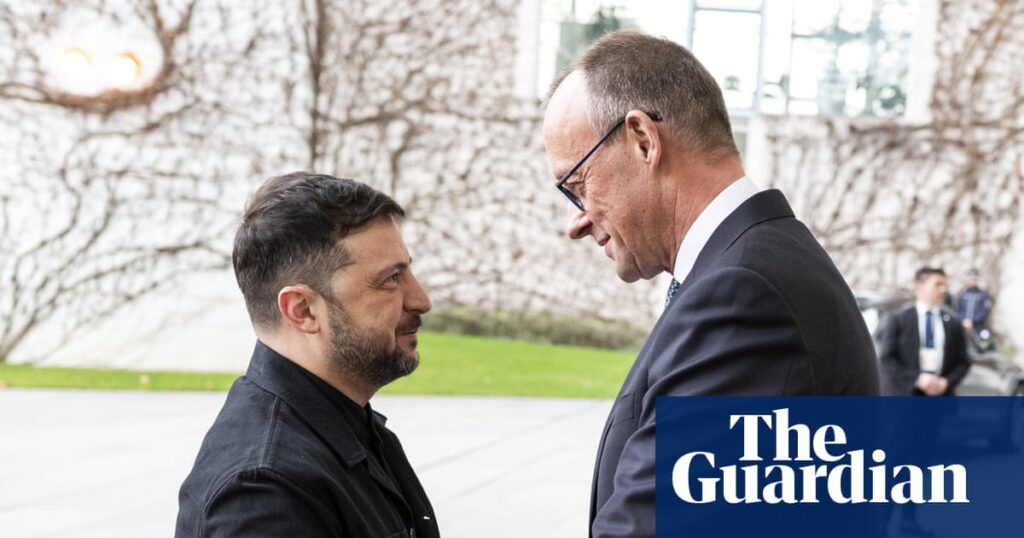
Metreweli’s speech underscores the UK’s commitment to countering what she describes as Russia’s strategy of exporting chaos, a tactic she believes will persist until Putin recalibrates his approach. Her comments come as Berlin hosts critical talks aimed at resolving the ongoing conflict between Ukraine and Russia.
Military and Diplomatic Efforts Intensify
In a parallel development, Richard Knighton, the head of Britain’s armed forces, will advocate for a “whole society” approach to defense in response to escalating uncertainties and threats, highlighting the increased risk of Russia invading a NATO member country.
Meanwhile, Ukrainian President Volodymyr Zelenskyy has called for a “dignified” peace and assurances that Russia will not launch further attacks on Ukraine. Speaking during discussions with U.S. officials in Berlin, Zelenskyy stressed the importance of diplomatic efforts yielding tangible results. “Ukraine needs peace on dignified terms, and we are ready to work as constructively as possible,” he stated on social media platform X.
Progress and Challenges in Peace Talks
The Berlin talks, which include U.S. special envoy Steve Witkoff and other key figures, have reportedly made significant progress. Witkoff noted that the discussions were in-depth and productive, with plans to reconvene the following day.
However, the prospect of Ukraine forgoing NATO membership appears unlikely to alter the trajectory of the peace negotiations significantly. Experts such as Justin Logan from the Cato Institute and Andrew Michta from the University of Florida argue that NATO membership for Ukraine has long been unrealistic, describing it as a “non-issue” in the current context.
International Reactions and Regional Tensions
The Kremlin has criticized NATO Secretary General Mark Rutte’s recent remarks about preparing for war with Russia as irresponsible. Rutte’s comments, made in Berlin, suggested that NATO should brace for a conflict on the scale of World War II. Kremlin spokesperson Dmitry Peskov responded by accusing Rutte of lacking understanding of the devastation such a war would entail.
In Russia, drone fragments caused a fire near the Afipsky oil refinery in the Krasnodar region, although no injuries or significant damage were reported. The incident follows Ukrainian claims of targeting the refinery and an oil depot in the Volgograd region.
On the Ground in Ukraine
Amid these diplomatic and military maneuvers, Russia’s defense ministry announced the capture of the village of Varvarivka in Ukraine’s eastern Zaporizhzhia region. However, battlefield reports from both sides remain unverified.
Looking Ahead
The ongoing Berlin talks and the speeches by British officials highlight the complex interplay of military readiness and diplomatic efforts in addressing the Russia-Ukraine conflict. As the situation evolves, the international community watches closely, with hopes for a resolution that ensures stability and peace in the region.
The outcomes of these discussions and the strategic decisions made by global leaders will likely shape the geopolitical landscape in the months to come, with potential implications for international security and cooperation.