




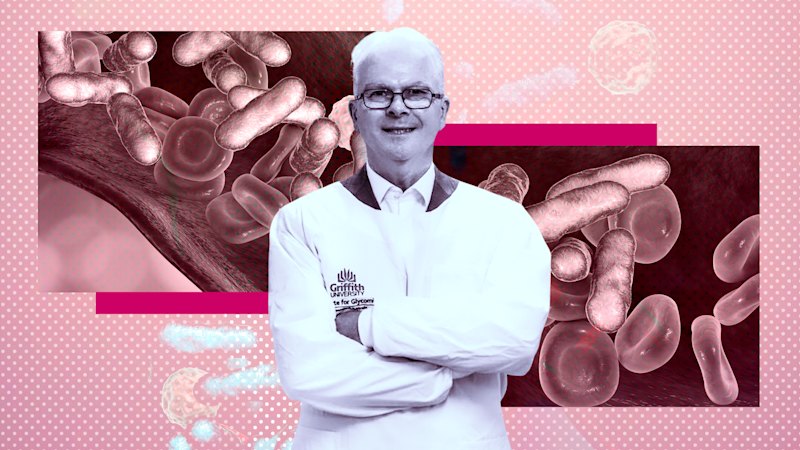
A groundbreaking drug developed in Brisbane is poised to tackle one of the world’s most lethal health threats, potentially saving millions of lives. The carbohydrate-based molecule, known as STC3141, has shown promising results in reducing sepsis during human trials. This advancement marks a significant step forward in the global fight against a condition responsible for one in five deaths worldwide, according to the World Health Organization.
Researchers at Griffith University, led by Professor Mark von Itzstein AO, have been instrumental in the development of this innovative treatment. “It’s hoped we could see the treatment reach the market in a handful of years, potentially saving millions of lives,” stated Professor von Itzstein, underscoring the potential impact of this medical breakthrough.
Understanding Sepsis: A Global Health Crisis
Sepsis occurs when the body’s immune response to infection triggers widespread inflammation, leading to organ damage. It is a critical condition that claims thousands of lives annually in Australia alone and has long eluded a definitive cure. The World Health Organization highlights the severity of the issue, noting that sepsis accounts for approximately 20% of global deaths.
The development of STC3141 comes at a crucial time, as healthcare systems worldwide continue to grapple with the challenges posed by sepsis. The drug’s ability to reverse organ damage by counteracting the release of a significant biological molecule during sepsis represents a novel approach to treatment.
Promising Trial Results and the Path Forward
The initial trials of STC3141, conducted on 180 individuals in China by the Hong Kong-based Grand Pharmaceutical Group Limited, have yielded encouraging results. With the drug now moving to stage-three testing, there is renewed hope for a viable treatment option on the horizon.
Stage-three trials are critical in determining the drug’s efficacy and safety on a larger scale. If successful, STC3141 could become a cornerstone in the treatment of sepsis, offering a lifeline to millions affected by this devastating condition.
Expert Insights and Future Implications
Medical experts are cautiously optimistic about the potential of STC3141. The drug’s development is a testament to the power of scientific innovation and international collaboration in addressing global health challenges. As the trials progress, researchers and healthcare professionals alike are closely monitoring the outcomes, hopeful that this could mark a turning point in sepsis treatment.
“The introduction of a drug like STC3141 could revolutionize our approach to treating sepsis, significantly reducing mortality rates and improving patient outcomes,” said Dr. Emily Chen, a leading infectious disease specialist.
Meanwhile, the success of STC3141 could pave the way for further research into carbohydrate-based molecules and their potential applications in treating other inflammatory conditions. The implications of such advancements extend beyond sepsis, offering new avenues for medical research and therapeutic development.
Looking Ahead: The Road to Market
As STC3141 moves through the final stages of testing, the anticipation surrounding its potential market release continues to build. Should the drug receive regulatory approval, it will represent a monumental achievement in the field of medicine, providing a much-needed solution to a pervasive global health issue.
The journey from laboratory to market is fraught with challenges, but the promise of STC3141 offers a beacon of hope for patients and healthcare providers worldwide. As the medical community awaits the results of the ongoing trials, the potential impact of this Brisbane-developed drug cannot be overstated.
Stay informed with the latest updates on this and other significant developments by subscribing to our Morning Edition newsletter, delivering a daily summary of the most important and interesting stories, analysis, and insights.