




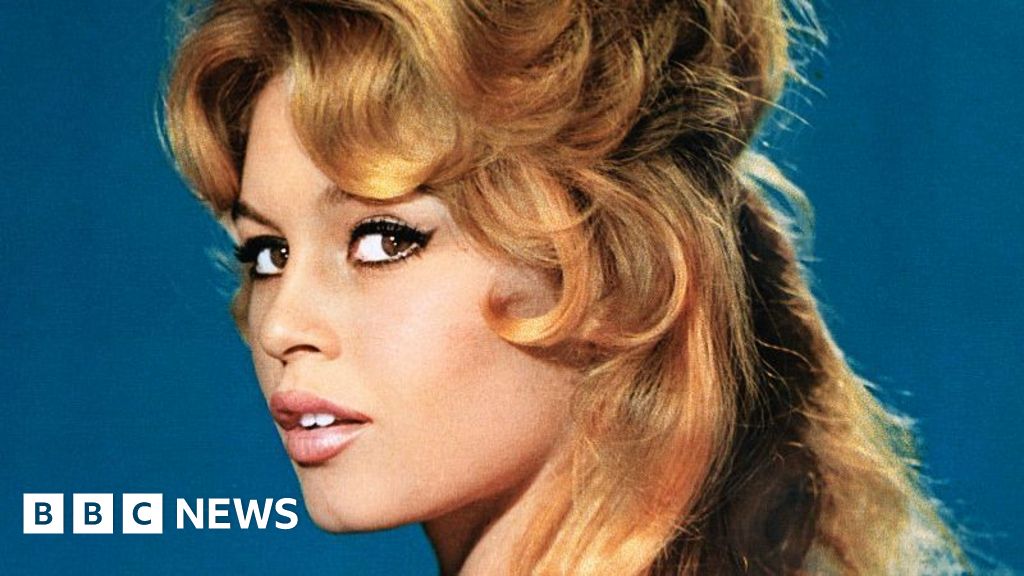
French cinema icon Brigitte Bardot has passed away at the age of 91, leaving behind a legacy that transformed the film industry and redefined cultural norms. Known affectionately as “BB” in her native France, Bardot was a trailblazer in the 1950s, becoming a symbol of sexual liberation and a global sensation through her nearly 50-film career. Her death was announced by the Brigitte Bardot Foundation, an animal welfare organization she founded after retiring from acting in 1973.
French President Emmanuel Macron paid tribute to Bardot, calling her “a legend of the century” and highlighting her contributions to cinema and animal rights. The foundation she established described her as a “world-renowned actress and singer” who chose to dedicate her life to animal welfare. Despite her illustrious career, Bardot’s later years were marred by controversy, including fines for inciting racial hatred due to her inflammatory remarks.
A Cinematic and Cultural Icon
Born in Paris in 1934, Brigitte Anne-Marie Bardot was initially groomed for a career in ballet before being discovered as a model in her teens. Her appearance on the cover of Elle magazine catapulted her into the spotlight, leading to a swift transition into film. Bardot’s breakout role came in 1956 with “And God Created Woman,” directed by her then-husband Roger Vadim. The film’s portrayal of a sexually liberated woman scandalized audiences, particularly in the United States, where it faced bans in several states.
Throughout the late 1950s and 1960s, Bardot became a global phenomenon. Her performances in films like “The Truth,” “Contempt,” and “Viva Maria!” showcased her dramatic and comedic talents, earning her critical acclaim and solidifying her status as a cinematic icon. Bardot was not only a film star but also a fashion trendsetter, with her signature blonde tousled hair and bold eyeliner influencing beauty standards worldwide.
Controversy and Advocacy
Despite her success, Bardot often expressed frustration over being typecast as a sex symbol, yearning for recognition as a serious actress. In 1973, at the height of her fame, she retired from acting at 39, famously stating, “I gave my youth and beauty to men, I give my wisdom and experience to animals.” Her commitment to animal rights led to the creation of the Brigitte Bardot Foundation in 1986, which focuses on the protection of wild and domestic animals.
Bardot’s personal life was as colorful as her career. She was married four times and had one son, Nicolas, with French actor and film producer Jacques Charrier. Her relationship with Nicolas was strained, culminating in a lawsuit after she wrote in her autobiography that she would have preferred to “give birth to a little dog.”
In later years, Bardot’s outspoken nature led to legal troubles, including multiple fines for making homophobic slurs and inciting racial hatred. Nonetheless, her dedication to animal welfare remained unwavering, even threatening to apply for Russian citizenship in protest against the treatment of elephants in a French zoo.
Legacy and Reflection
The announcement of Bardot’s death has prompted an outpouring of tributes from across the globe. Marine Le Pen, a prominent French far-right politician, called her “an exceptional woman” known for her talent, courage, and beauty. Meanwhile, France’s oldest animal protection association, The Société Protectrice des Animaux, honored her as an “iconic and passionate figure for the animal cause.”
Bardot’s impact on both cinema and society is undeniable. Her films challenged societal norms and celebrated a new kind of female independence, while her later work in animal rights advocacy set a precedent for celebrity activism. As France and the world reflect on her life, Bardot’s legacy as a symbol of freedom and a champion for animals continues to resonate.
While the Brigitte Bardot Foundation did not specify the details of her passing, the void left by her death is palpable. Her life, marked by both triumph and controversy, remains a testament to her enduring influence on culture and compassion.