




A groundbreaking study from the Medical University of Vienna has unveiled how the multi-resistant fungus Candida auris utilizes carbon dioxide (CO₂) to survive on the skin and develop resistance to antifungal therapies. The research team has identified several new targets that could potentially curb the spread and infections caused by this formidable pathogen. The World Health Organization (WHO) has classified Candida auris as a priority fungal pathogen due to its rapid resistance development against nearly all available antifungal drugs.
The human pathogenic fungus Candida auris represents a significant global health risk. Known for its strong adhesion properties, it predominantly grows on the skin surface and spreads rapidly in hospital settings, especially through skin contact. For immunocompromised patients, colonization and subsequent infections can be life-threatening, with mortality rates reported as high as 70 percent.
CO₂ as a Survival Mechanism
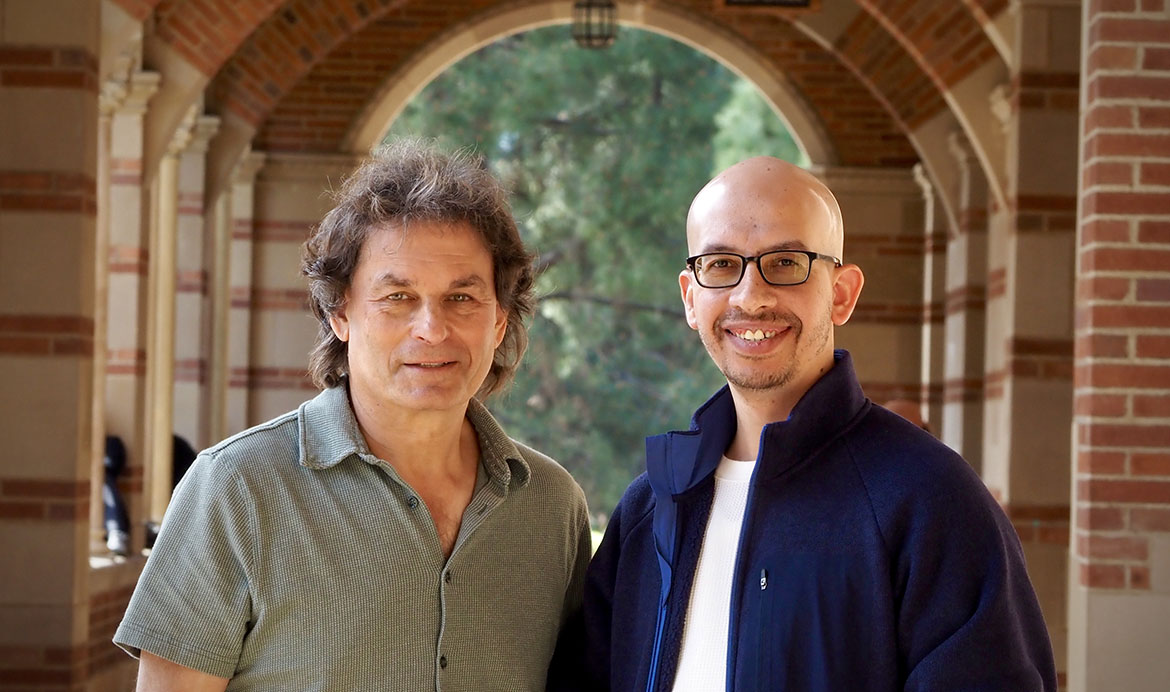
A study published in Nature Microbiology has, for the first time, demonstrated that Candida auris employs a CO₂-based metabolic strategy to endure the nutrient-poor conditions of the skin and to better tolerate antifungal therapies, particularly amphotericin B (AMB). This research was a collaborative effort between the teams led by Adelheid Elbe-Bürger of MedUni Vienna and Karl Kuchler of Max Perutz Labs Vienna.
Using multi-omics analyses, first author Trinh Phan-Canh, a doctoral student at MedUni Vienna, identified a crucial enzyme, carbonic anhydrase, which enables the fungus to convert small amounts of CO₂ into usable metabolic products. This process allows Candida auris to generate mitochondrial energy, compensating for both nutrient deficiency and therapeutic stress.
“Candida auris uses minimal CO₂ concentrations to maintain its energy production and survive stress caused by antifungal drugs. This ability gives it a decisive survival advantage – especially on the skin surface,” explains Adelheid Elbe-Bürger from the Department of Dermatology at the Medical University of Vienna.
Microbiome Cooperation: A Key Survival Factor
The study further reveals that Candida auris collaborates with certain urease-positive bacteria within the skin microbiome. These bacteria break down urea, which reaches the skin via sweat glands, into CO₂, providing an additional energy source for the fungus. This microbiological partnership could be a critical factor in the high colonization and transmission rates observed in hospitals.
From an infection prevention standpoint, this discovery opens new avenues for intervention: inhibiting bacterial urease activity could reduce local CO₂ concentrations, potentially making Candida auris colonization more challenging.
Innovative Therapeutic Targets
The researchers identified several potential targets along the CO₂-dependent metabolic pathway. A particularly impactful discovery is that specific inhibition of mitochondrial cytochrome bc1 significantly weakens the fungus’s energy metabolism and enhances the efficacy of amphotericin B (AMB), one of the few remaining and clinically significant antifungal agents for treating Candida auris infections. A newly identified chemical compound that specifically inhibits cytochrome bc1 could thus serve as the foundation for future antifungal drugs.
“Our results show that we can attack the fungus in completely new ways. The combination of metabolic inhibition and increased AMB efficacy opens up promising prospects for new therapies,” adds Karl Kuchler from Max Perutz Labs.
A Global Health Challenge
The incidence of severe Candida auris infections has been increasing worldwide for over 15 years, yet the underlying mechanisms remain poorly understood. These new findings decode key survival strategies of the pathogen, providing a crucial basis for developing urgently needed therapeutic approaches.
As the global medical community grapples with the rising threat of multi-resistant pathogens, this study represents a significant step forward in understanding and potentially combating Candida auris. With the identification of new therapeutic targets, there is hope for more effective treatments that could mitigate the impact of this deadly fungus on vulnerable populations around the world.