




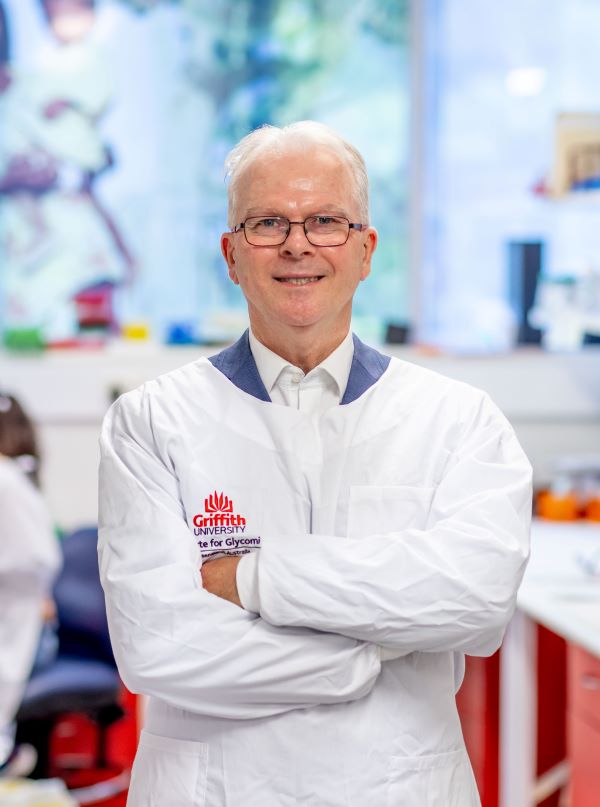
Griffith University researchers may have unlocked a groundbreaking treatment for sepsis, a life-threatening condition affecting millions globally. A Phase II clinical trial conducted in China has concluded with promising results, offering new hope for a disease that currently lacks specific anti-sepsis therapies.
The innovative drug candidate, known as STC3141, is a carbohydrate-based compound co-developed by Distinguished Professor Mark von Itzstein AO and his team from Griffith’s Institute for Biomedicine and Glycomics, alongside Professor Christopher Parish and his team at The Australian National University. The trial successfully met its key endpoints, demonstrating the drug’s potential in reducing sepsis in humans.
Understanding STC3141 and Its Mechanism
STC3141 is administered as an infusion via a cannula, targeting a critical biological process during sepsis. The drug works by counteracting the release of a significant biological molecule that contributes to the body’s damaging immune response. This small-molecule experimental drug is designed to reverse organ damage caused by sepsis.
Sepsis occurs when the body’s immune system overreacts to an infection, attacking its own tissues and organs. If not promptly recognized and managed, it can lead to severe complications, including septic shock, multiple organ failure, and death. Professor von Itzstein emphasized the urgency of addressing this clinical unmet need, stating, “When sepsis is not recognised early and managed promptly, it can lead to septic shock, multiple organ failure and death.”
Significance of the Clinical Trial
The trial, conducted by Grand Pharmaceutical Group Limited (Grand Pharma), involved 180 patients suffering from sepsis, a leading cause of death and long-term disability worldwide. The successful completion of this trial marks a significant step forward in the fight against sepsis, which has long been a challenge for medical professionals due to the lack of specific treatments.
Professor von Itzstein expressed optimism about the future of STC3141, noting that Grand Pharma plans to advance to a Phase III trial to further test the drug’s efficacy. “It’s hoped we could see the treatment reach the market in a handful years, potentially saving millions of lives,” he said.
Expert Opinions and Future Implications
Executive Director of the Institute for Biomedicine and Glycomics, Professor Paul Clarke, shared his enthusiasm for the trial’s outcomes, stating, “I am thrilled to see the results of the trial which ultimately aims to save lives.” He highlighted the collaborative efforts of the Institute’s researchers in conducting translational research that delivers real and immediate impacts both in Australia and globally.
The announcement comes as a beacon of hope for healthcare systems worldwide, which continue to grapple with the challenges posed by sepsis. The potential introduction of STC3141 into the market could revolutionize treatment protocols and significantly reduce mortality rates associated with the condition.
Looking Ahead: The Road to Phase III and Beyond
As the medical community eagerly anticipates the next phase of trials, the successful development of STC3141 underscores the importance of continued investment in biomedical research and international collaboration. The move represents a crucial step towards transforming sepsis treatment and improving patient outcomes on a global scale.
The implications of this research extend beyond immediate clinical applications, potentially setting a precedent for future drug development targeting complex immune responses. As researchers and pharmaceutical companies prepare for the next stages, the world watches closely, hopeful for a future where sepsis no longer poses a formidable threat.