



New advancements in drug delivery systems are revolutionizing the field of metabolic health. Gensaic, a company founded by MIT alumni, is at the forefront of this innovation with its artificial intelligence-powered platform designed to develop protein shuttles capable of delivering therapeutic molecules like RNA to specific tissues and cells. This breakthrough could potentially transform treatments for metabolic diseases and other conditions.
The company, founded by Lavi Erisson, Uyanga Tsedev, and Jonathan Hsu, is leveraging its cutting-edge technology to partner with industry leaders such as Novo Nordisk. These collaborations aim to accelerate the development of advanced therapies that precisely control gene expression, offering new ways to improve health outcomes and treat diseases.
Revolutionizing Drug Delivery
Delivering RNA-based treatments to the right tissues has been a significant challenge in the medical field. However, Gensaic’s innovative approach, which combines advanced therapies with targeted delivery systems, promises to overcome these obstacles. According to Erisson, “RNA has become a clinical-grade commodity that we know is safe. It is easy to synthesize, and it has unparalleled specificity and reversibility.”
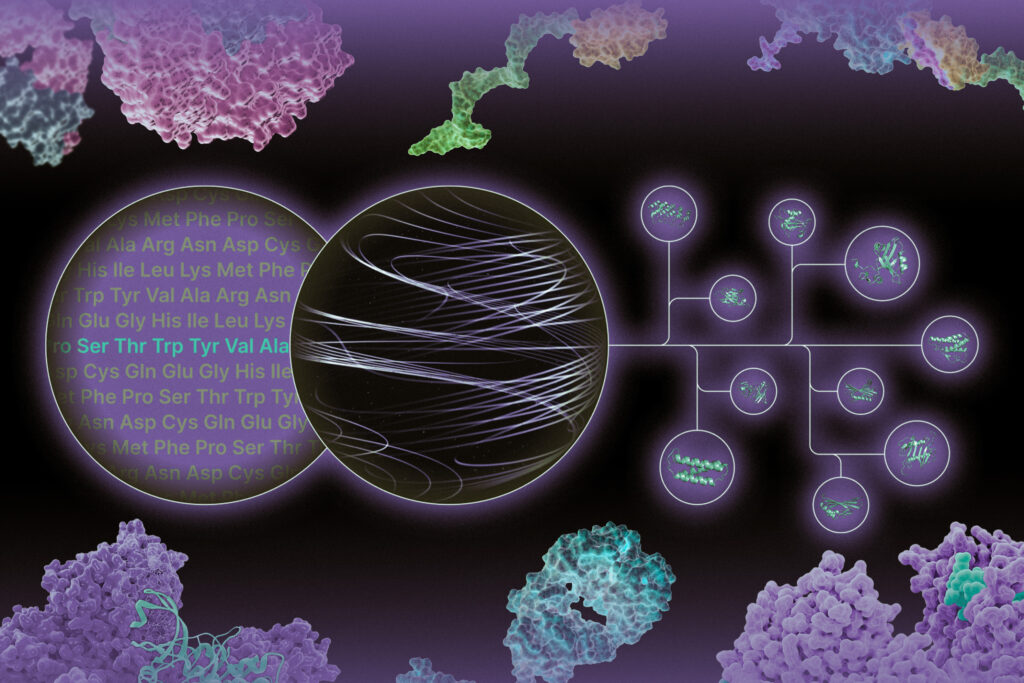
Gensaic’s technology utilizes a method called unbiased directed evolution to identify the most effective protein scaffolding for reaching target tissues. This approach allows the company to develop highly adaptable proteins that can deliver therapeutic molecules with precision, potentially changing the therapeutic landscape.
From Concept to Commercialization
The journey to this breakthrough began at MIT, where Erisson, Tsedev, and Hsu met during their studies. Erisson, who had previously worked at Teva Pharmaceuticals, was seeking new intellectual and quantitative tools to complement his scientific expertise. The trio’s shared vision led to the founding of Gensaic in 2021, with a focus on commercializing their research.
Initially, the team concentrated on developing protein scaffolds for gene therapies. However, they soon pivoted to focus on delivering molecules like siRNA and RNAi, which have traditionally been difficult to deliver outside of the liver. Today, Gensaic has screened over 500 billion different proteins using its proprietary FORGE platform, which stands for Functional Optimization by Recursive Genetic Evolution.
Innovative Therapeutic Strategies
Gensaic’s delivery vehicles are capable of carrying multiple RNA molecules into cells simultaneously, providing doctors with a powerful new set of tools to treat and prevent diseases. “We are moving into a future where we can extract multiple therapeutic mechanisms from a single molecule,” Erisson explains.
This capability opens up a universe of opportunities for developing multifunctional medicines that can target complex disease systems with unprecedented precision.
Expanding Horizons
The implications of Gensaic’s technology extend beyond metabolic diseases. The company has demonstrated the ability to deliver drugs to specific tissues such as the brain, skeletal, and adipose tissue. This precision could unlock new therapeutic targets and enhance the effectiveness of existing treatments while reducing side effects.
“We’re the only company, to my knowledge, that has a protein-based delivery mechanism to get to adipose tissue,” Erisson notes. This capability could be used to help people lose weight, retain muscle, and prevent conditions like fatty liver disease or osteoporosis.
Strategic Collaborations and Future Prospects
Gensaic’s collaboration with Novo Nordisk, announced last year, targets cardiometabolic diseases and includes up to $354 million in upfront and milestone payments per disease target. This partnership exemplifies the potential of Gensaic’s platform to address diseases in ways that are not currently available to other companies.
Looking ahead, Gensaic aims to continue expanding its partnerships to fully realize the potential of its platform. “We are too small to try to swallow this universe of opportunity on our own, but the potential of this platform is incredibly large,” Erisson says. “Patients deserve safer medicines and better outcomes than what are available now.”
As Gensaic continues to innovate and collaborate, the future of metabolic health and targeted drug delivery looks promising, with the potential to significantly improve patient outcomes and redefine therapeutic strategies.