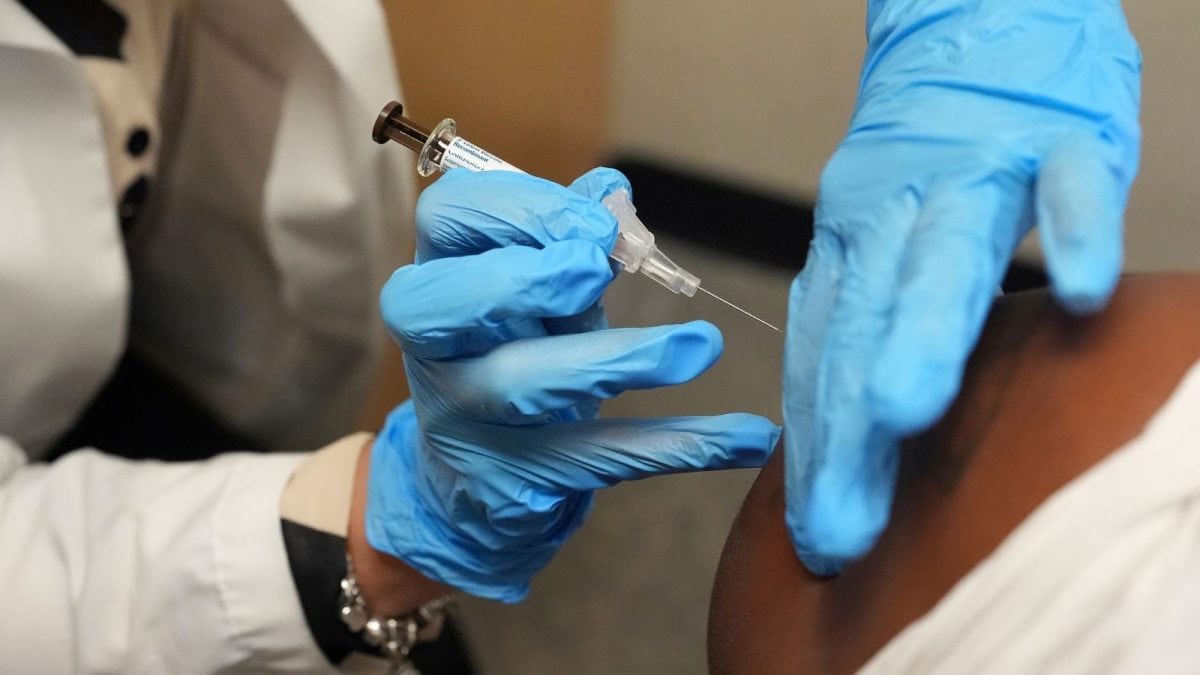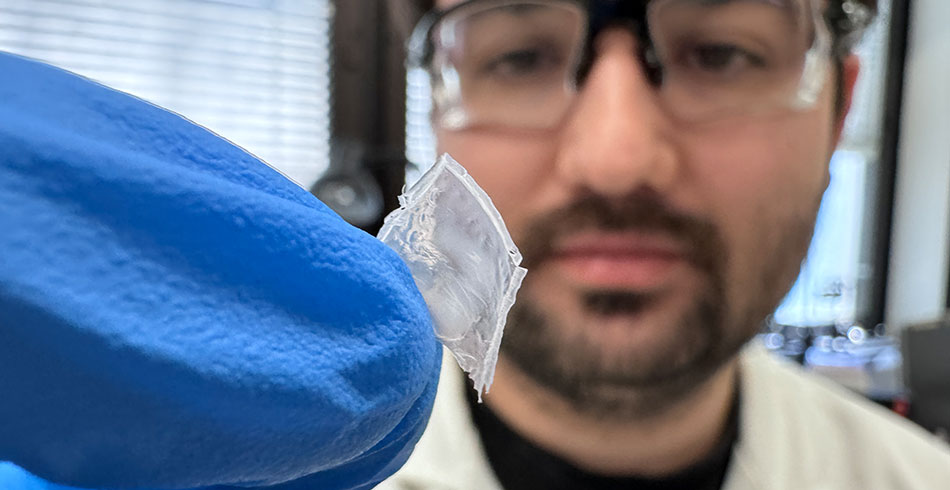





Researchers at Griffith University are on the brink of a major breakthrough in the fight against chikungunya, a debilitating global health threat that targets human joint tissue. The team, led by Professor Bernd Rehm from Griffith’s Institute for Biomedicine and Glycomics, is exploring the potential of engineering E.coli to create biopolymer particles that display chikungunya antigens, effectively functioning as a vaccine.
“The synthetic biopolymer particles, adjuvant-free E2-BP-E1, closely mimicked the actual virus and induced an immune response,” Professor Rehm explained. The immune system identifies these particles as a virus, yet they do not cause the disease. This triggers a reaction where immune cells efficiently absorb the biopolymer particles, prompting the immune system to mount a defense against the virus.
Understanding Chikungunya and Its Impact
Chikungunya is transmitted through mosquito bites, allowing the virus to enter the bloodstream and initiate a complex process that affects the immune system, joints, muscles, and occasionally the nervous system. Symptoms typically include fever, chills, severe joint and muscle pain, headache, rash, and joint swelling.
Professor Rehm noted that once the infection takes hold, chikungunya specifically targets joint tissues, muscle fibers, and connective tissue. “Once this occurs, we start to see direct tissue damage, intense inflammation, and immune-mediated attacks resembling autoimmune responses,” he said.
“Even more concerning, is that the immune system continues to attack joint tissues even after the virus has left the body. Up to 60 percent of patients experience long-lasting joint pain, which may persist for months or years, and can resemble rheumatoid arthritis.”
The Path to Vaccine Development
The announcement of this potential vaccine comes at a crucial time, as chikungunya continues to pose a significant threat in many parts of the world. The success of this study marks a pivotal step towards clinical development. The next phase involves clinical trials to test the vaccine’s safety, followed by efficacy trials to ensure its effectiveness.
Professor Rehm and his team are hopeful that this innovative approach will lead to a viable vaccine, offering relief to millions affected by the disease. The development of a chikungunya vaccine would not only alleviate the physical suffering associated with the virus but also reduce the economic burden on healthcare systems globally.
Expert Insights and Future Implications
Experts in the field of infectious diseases have hailed this development as a promising advancement in vaccine technology. Dr. Emily Carter, an epidemiologist not involved in the study, commented on the potential impact of such a vaccine. “This could be a game-changer in regions where chikungunya is endemic. A successful vaccine would significantly reduce the incidence of the disease and improve quality of life for those in affected areas,” she said.
Historically, vaccine development has faced numerous challenges, particularly for diseases like chikungunya that have complex transmission and infection mechanisms. However, advancements in biotechnology and genetic engineering are paving the way for more effective solutions.
According to the World Health Organization, chikungunya outbreaks have been reported in over 60 countries across Asia, Africa, Europe, and the Americas, underscoring the urgent need for a vaccine.
The move towards clinical trials represents a significant milestone in the global effort to combat chikungunya. As researchers continue to refine and test the vaccine, there is cautious optimism that a solution is within reach.
Meanwhile, public health officials emphasize the importance of ongoing mosquito control measures and public education to prevent the spread of chikungunya. As the world awaits the results of these clinical trials, the potential for a vaccine offers hope for a future where chikungunya is no longer a looming threat.