

In a groundbreaking development, researchers at Columbia University have discovered a potential solution to one of the biggest challenges in cancer treatment: the effective use of CAR-T cell therapy against solid tumors. This personalized medicine technique, which involves genetically modifying a patient’s immune T cells to target cancer cells, has been transformative for certain blood cancers since its approval for clinical use in 2017. However, its application to solid tumors, such as those in the liver, kidneys, or pancreas, has been limited due to the difficulty these tumors present for engineered T cells to recognize and destroy.
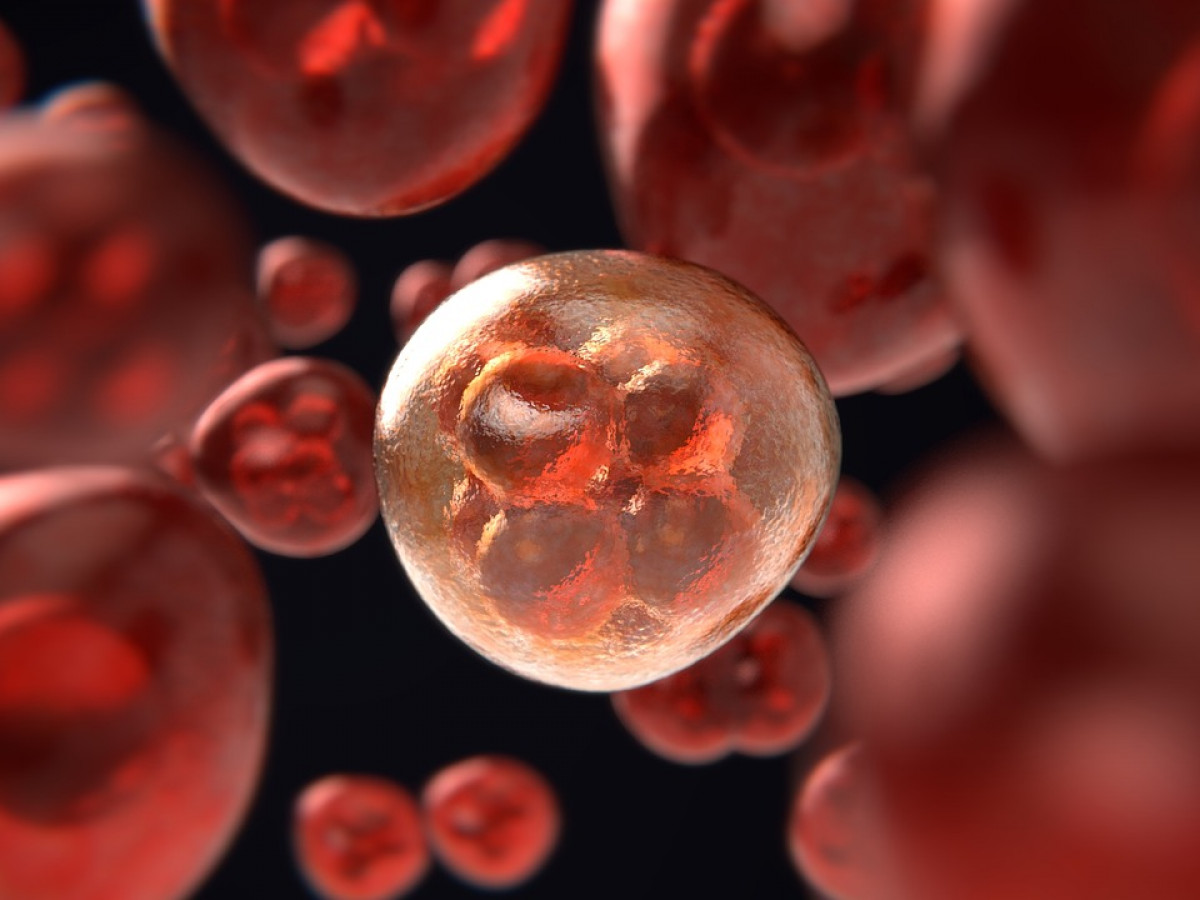
Now, Sophie Hanina and her team at Columbia University have identified a promising marker called CD70, which appears on all cancer cells. This discovery could potentially allow CAR-T cells to target and eradicate solid tumors more effectively. “A T-cell is one of the immune system’s frontline soldiers,” Hanina explained to Chris Smith. “Cancer is very good at disguising itself from being detected by the immune system, and that’s where CAR T-cell therapy comes in. It’s a way of turning a T-cell into a highly trained serial killer so that it can more easily recognize these cancer cells.”
The Challenges of Solid Tumors
While CAR-T cell therapy has shown promise in treating blood cancers, solid tumors present a unique set of challenges. According to Hanina, the targets on solid tumor cancer cells are often also found on healthy cells, making it difficult to attack the tumor without harming normal tissues. Moreover, the potential targets are not always expressed uniformly across all cancer cells, complicating the treatment process.
“For example, I’m working on a protein called CD70,” Hanina said. “It’s found on about 20 different solid tumor cancer types and seems to be a very promising CAR target because it has limited expression on healthy cells. However, in a patient’s cancer, the expression is often patchy, meaning if you have 100 cancer cells, 50 will be positive and 50 will look negative. The CAR T-cell can spot the 50 positive ones, but the 50 negative ones will remain unscathed and continue to grow.”
Innovative Solutions and Promising Results
Hanina’s research, driven by what she describes as a “hunch,” revealed that tumor cells appearing negative for CD70 might retain ultra-low levels of the marker. By designing a more sensitive receptor, she was able to eradicate tumors in mice models implanted with human kidney, ovarian, and pancreatic cancers. “The mice treated with standard CAR T-cell designs saw their tumors slowed down but not eliminated,” Hanina noted. “When I used a more sensitive receptor, the tumors were completely eradicated.”
“CD70 is naturally expressed by immune cells to help them grow, and cancer cells co-opt this molecule to promote their survival,” Hanina explained. “By targeting this vulnerability, we might be able to turn it into the tumor’s Achilles heel.”
Implications for Future Cancer Treatments
The potential impact of this research is significant. If successful in human trials, this approach could revolutionize the treatment of solid tumors, offering a new lifeline to patients who currently have limited options. However, Hanina acknowledges the challenges ahead, including the possibility that cancer cells could evolve to evade detection.
“In the mouse models I used, these cancers didn’t come back, so it’s possible that if you hit it hard and you hit it quickly, it won’t come back,” she said. “But cancer cells will continue to evolve and find new ways to evade detection.”
Broader Context and Historical Parallels
This breakthrough in CAR-T cell therapy is reminiscent of other significant advances in cancer treatment, such as the development of chemotherapy in the mid-20th century and the more recent advent of immunotherapy. Each of these innovations has brought new hope to patients and has required overcoming significant scientific and clinical hurdles.
The discovery of the CD70 marker and the development of more sensitive CAR-T cells represent a critical step forward in the ongoing battle against cancer. As researchers continue to explore and refine these therapies, the potential for improved patient outcomes grows ever more promising.
As the field of cancer treatment evolves, the integration of new technologies and approaches, like those pioneered by Hanina and her team, will be crucial in addressing the complex challenges presented by different types of cancer. The future of cancer therapy may well hinge on the ability to adapt and innovate, leveraging the power of the immune system to combat disease.