



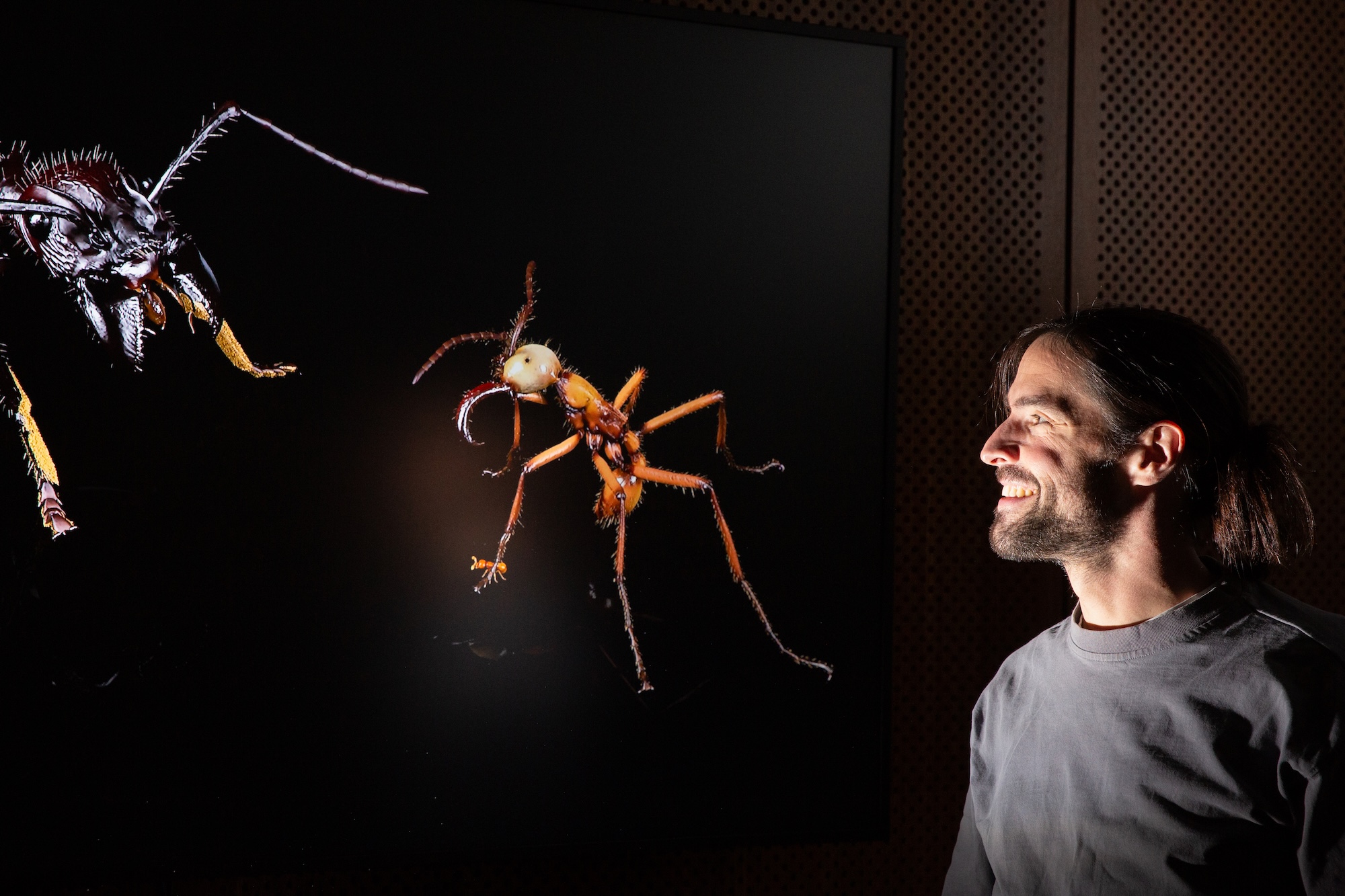

In a groundbreaking discovery, scientists have identified a crucial mechanism by which cells adapt to the aging process, potentially paving the way for healthier, longer lives. This finding, spearheaded by Kris Burkewitz, assistant professor of cell and developmental biology, was published in the prestigious journal Nature Cell Biology. The research delves into how cells remodel the endoplasmic reticulum (ER), a major organelle, through a process known as ER-phagy, offering new insights into age-related diseases.
As public health improvements have extended human lifespans, the challenge remains to ensure these additional years are spent in good health. Aging is inherently linked to an increased risk of chronic diseases such as cancer, diabetes, and Alzheimer’s. Burkewitz’s laboratory aims to decouple the aging process from disease, focusing on the organization of cellular compartments and their influence on metabolism and disease risk.
Understanding the Cellular Factory
Burkewitz’s research highlights the importance of cellular architecture in maintaining efficient function and metabolism. He compares the cell to a factory that requires precise organization of its machinery to operate smoothly. “Even if all the machinery is present, the factory only runs efficiently if everything is arranged correctly,” Burkewitz explained. Disorganization, he notes, leads to inefficiencies akin to those observed in aging cells.
The ER, a complex network of sheets and tubules, plays a critical role in protein and lipid production and serves as a scaffold for other cellular components. Despite its importance, little was known about how its structure changes with age until now.
New Insights into Aging
Eric Donahue, a PhD candidate and first author of the study, emphasized the significance of their findings. “We didn’t just add a piece to the aging puzzle—we found a whole section that hasn’t even been touched,” he said. The team used advanced microscopy and genetic tools to study the ER in living Caenorhabditis elegans worms, a model organism ideal for aging research due to its transparency and rapid aging process.
The researchers discovered that aging cells reduce the amount of “rough” ER, which is crucial for protein synthesis, while the “tubular” ER, associated with lipid production, remains relatively unchanged. This shift aligns with known aging patterns, such as decreased protein maintenance and altered fat metabolism, though further research is needed to confirm these causal links.
“Changes in the ER occur relatively early in the aging process,” Burkewitz noted. “One of the most exciting implications of this is that it may be one of the triggers for what comes later: dysfunction and disease.”
Implications for Future Research
The discovery of ER-phagy’s role in aging opens new avenues for research into age-related diseases. By understanding how ER remodeling influences cellular organization, scientists hope to identify early triggers of aging-related dysfunction. This knowledge could lead to interventions that prevent the onset of age-associated diseases, thereby extending healthy lifespans.
The research was conducted in collaboration with Vanderbilt University and other institutions, with support from the National Institute on Aging and other funding bodies. The Burkewitz lab plans to continue exploring the ER’s role in cellular metabolism and its broader implications for aging.
Looking Ahead
As scientists delve deeper into the cellular mechanisms of aging, the potential for breakthroughs in extending healthy lifespans grows. The Burkewitz lab’s findings represent a significant step forward in understanding the intricate dance of cellular components that underpin aging and disease.
With further research, the hope is to unlock the secrets of cellular longevity, ensuring that the golden years are not just longer but healthier. As Burkewitz aptly put it, “Here’s to a long, healthy life for us all! Thank you, science.”