


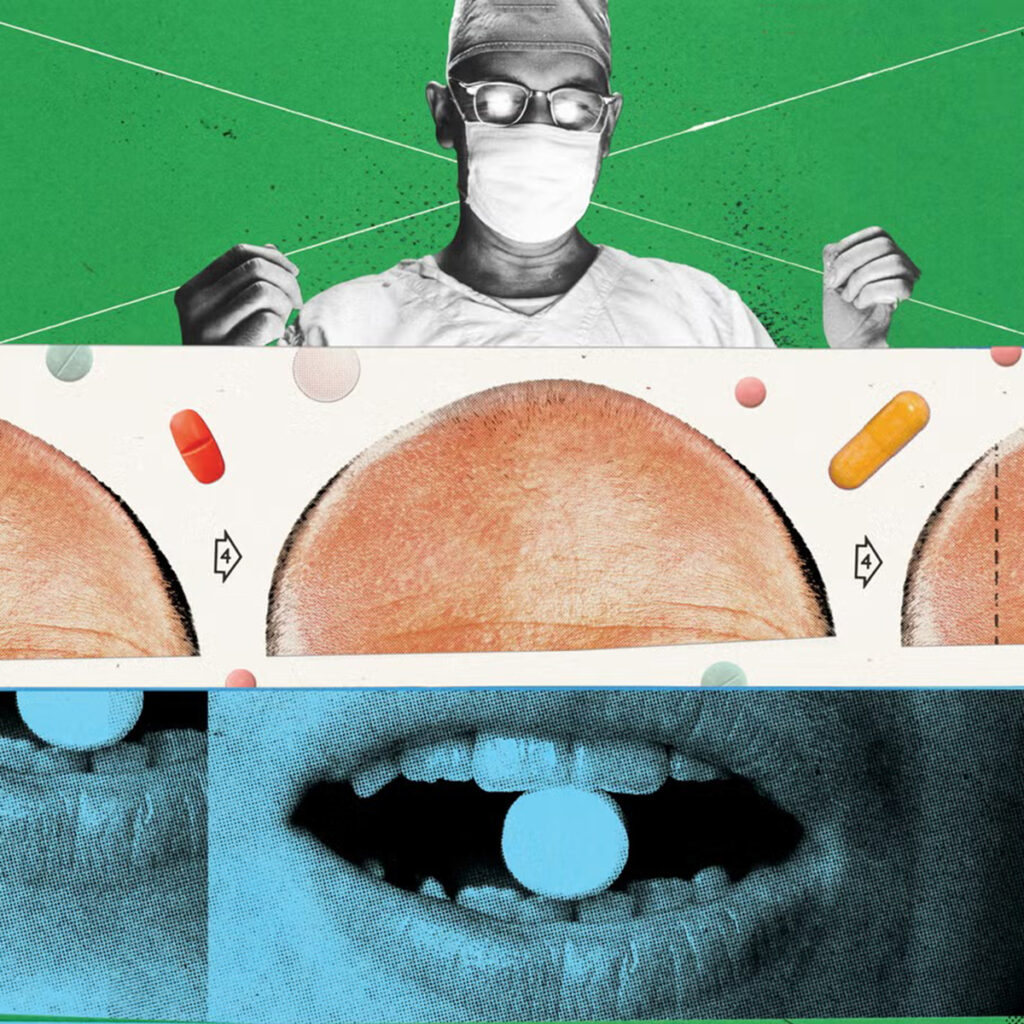
In a significant development for those struggling with hair loss, a new treatment may potentially offer a permanent solution to balding. The American pharmaceutical company Pelage has announced the synthesis of a compound called PP405, which has shown promising results in inducing new hair growth from previously dormant follicles. This breakthrough could revolutionize the way we approach androgenetic alopecia, commonly known as male pattern baldness, which affects approximately 80% of men at some point in their lives.
The announcement comes as the global hair-loss industry, valued at $7.6 billion in 2023, is projected to reach $13 billion by 2030. Despite the prevalence of baldness, societal acceptance remains limited, with many men feeling pressured by social media and cultural standards to seek solutions. The introduction of PP405 could mark a turning point in both the treatment of hair loss and the broader conversation around body positivity and self-image.
The Science Behind Hair Loss
Male pattern baldness is primarily caused by the hormone dihydrotestosterone (DHT), which weakens and shrinks hair follicles until hair production ceases. Current treatments like minoxidil and finasteride, which have been in use for decades, focus on either enhancing blood circulation to hair follicles or reducing the conversion of testosterone to DHT. However, these treatments have limitations and potential side effects, including depression and loss of libido.
PP405, on the other hand, targets hair-follicle stem cells, stimulating them to produce new hair by making more energy available for cellular growth. According to Rali Bozhinova, a trichologist at The Belgravia Clinic, “This new drug aims to energize dormant stem cells, potentially leading to renewed hair growth.”
Clinical Trials and Expert Opinions
The results of the phase 2a clinical trial for PP405 were published in June 2025. In a study involving 78 participants, 31% reported a 20% increase in hair thickness after using the PP405 gel for a month. This is a significant improvement compared to current treatments, which typically take six months or more to show similar results.
“If it were to become available, and if it really works in the way that current data suggests, then that would be incredible,” said Bozhinova. “The results so far are promising, but there’s a lot of research constantly happening.”
Despite the excitement, experts urge caution. Dr. Arash Mostaghimi, a dermatologist involved in the trial, emphasized the need for further research, stating, “Drawing firm conclusions based on this study would be premature.”
Implications for the Future
The potential impact of PP405 extends beyond individual treatment. It represents a shift in the broader narrative around hair loss, challenging the stigma and offering new hope for those affected. However, the treatment is still in the testing phase, and its commercial availability could be years away.
For now, men like Ewan from Port Talbot, who has been using minoxidil and finasteride, continue to navigate existing options while keeping an eye on future developments. “I don’t feel young, but I don’t feel like I’m turning into an old man,” he says, reflecting the complex emotions many experience regarding hair loss.
Conclusion
As the world awaits the outcome of further trials, the anticipation surrounding PP405 underscores the deep-seated desire for a solution to hair loss. While current treatments offer some relief, the promise of a more effective and less intrusive option is tantalizing. Whether PP405 will fulfill its potential remains to be seen, but it has undoubtedly sparked a renewed conversation about baldness and self-perception.
For those grappling with hair loss, the journey is as much about acceptance as it is about finding a cure. As Harry James, a self-proclaimed “baldness doula,” encourages, embracing one’s baldness can be liberating. “Imagine grinning as you touch your shaven head and breathe a sigh of relief,” his website suggests, highlighting an alternative path to self-acceptance.
Ultimately, whether through scientific advancement or personal empowerment, the future of hair loss treatment looks brighter than ever.