

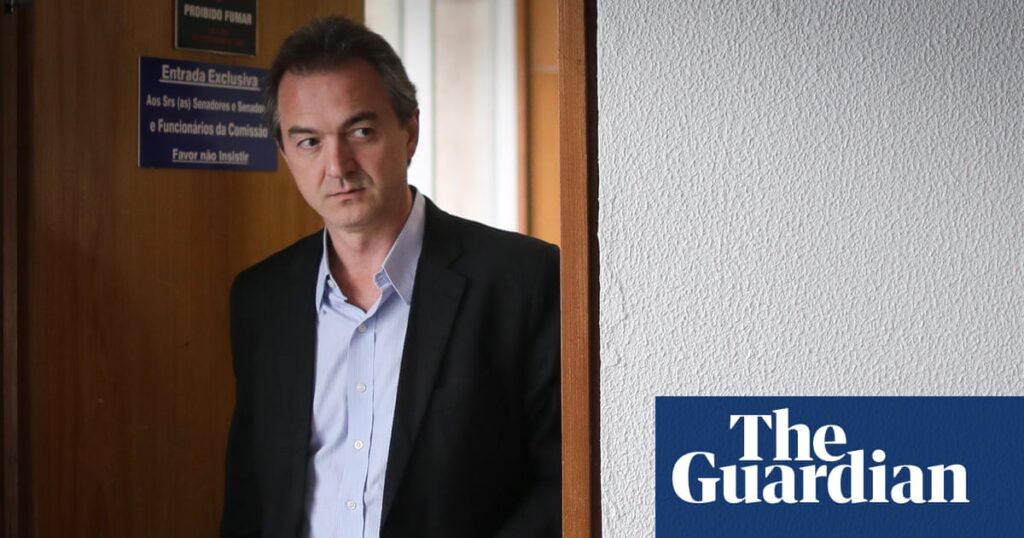
On November 23, a private executive jet from São Paulo touched down in Caracas, Venezuela, amidst a climate of heightened tension and suspended international flights. Onboard was Joesley Batista, a Brazilian meat tycoon with a controversial past, including multiple incarcerations for corruption and environmental violations. Batista’s mission was to meet Venezuelan leader Nicolás Maduro, following a demand from then-U.S. President Donald Trump for Maduro to step down.
Despite Batista’s efforts, Maduro remains in power, and tensions between the U.S. and Venezuela have only escalated, marked by incidents such as the seizure of an oil tanker and expanded sanctions. Batista’s unexpected visit has raised questions about his role as an unofficial emissary for Trump, particularly given his history and the geopolitical stakes involved.
Background and Batista’s Diplomatic Foray
This trip marked Batista’s first significant step into diplomatic waters, though he has previously been influential in fostering connections between the U.S. and Brazil. Notably, Batista played a crucial role in mending ties between Trump and Brazilian President Luiz Inácio Lula da Silva, following a period of strained relations after Lula’s endorsement of Kamala Harris.
Brazil faced a 50% tariff on its imports to the U.S., a retaliatory measure linked to allegations against former Brazilian President Jair Bolsonaro. Batista, leveraging his business acumen and connections, was instrumental in lobbying for the reduction of these tariffs, which were eventually lifted, benefiting his core business in beef exports.
Business Influence and Political Connections
Batista’s influence extends beyond business, as evidenced by his ability to secure meetings with high-ranking U.S. officials, including Trump himself. His pitch centered on the economic impact of tariffs on U.S. consumers and the unintended political boost they provided to Lula, potentially aiding his re-election bid in 2026.
Raquel Landim, a Brazilian journalist and author, notes Batista’s adeptness at cultivating influential relationships, a skill he has honed in both Brazil and Venezuela. Landim’s book details Batista’s ventures, including a significant 2015 beef supply deal with Venezuela, which, despite its collapse due to defaults, solidified his ties with key Venezuelan figures like Diosdado Cabello.
Controversies and Corporate Diplomacy
Batista’s rise and fall have been marked by legal troubles, including bribery scandals that led to his and his brother Wesley’s imprisonment. Despite these setbacks, they have regained positions within their company, JBS, the world’s largest meat processor, and continue to wield political influence.
JBS has faced scrutiny over environmental practices, particularly allegations of sourcing cattle from deforested areas. These issues have not deterred Batista’s involvement in international affairs, where his business interests often intersect with diplomatic efforts.
The Shift from Traditional Diplomacy
Retired ambassador Rubens Barbosa highlights a broader trend where corporate figures like Batista are increasingly stepping into roles traditionally held by diplomats. This shift reflects a growing reliance on corporate lobbying in international relations, particularly in the U.S. and Brazil.
“You no longer see diplomats in these conversations, only businesspeople. This is becoming normal,” Barbosa observes, emphasizing the changing landscape of diplomacy.
Batista’s involvement in Venezuela and his influence on U.S.-Brazil relations underscore the complex interplay between business interests and political diplomacy. As traditional diplomatic channels evolve, figures like Batista may continue to shape geopolitical dynamics, driven by both personal and national interests.