




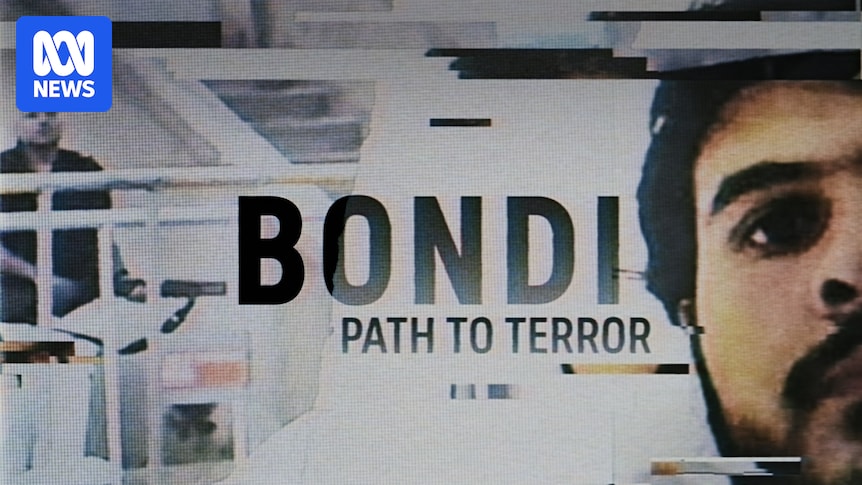
On December 14, 2025, the Bondi community was shattered by the deadliest terrorist attack on Australian soil, leaving 15 dead and 40 injured. This brutal assault, perpetrated by Naveed Akram and his father Sajid, has raised profound questions about intelligence failures and the radicalization process that led to this tragic event.
The attack, carried out in the heart of Bondi during the Chanukah By the Sea festival, has been linked to the Islamic State (ISIS), with the Akrams allegedly acting on behalf of the group. The incident has prompted a national debate on the effectiveness of Australia’s counter-terrorism measures and the adequacy of intelligence operations.
The Path to Radicalization
Naveed Akram’s journey from a quiet teenager to a mass murderer has been a focal point of investigation. Raised in Sydney’s southwest, Naveed was known for his strong religious beliefs, which eventually led him to join a group of street preachers known as Street Dawah. This group, while ostensibly peaceful, has been linked to radical and violent extremist recruitment.
By the age of 17, Naveed had dropped out of school and was deeply involved with Street Dawah, where he was exposed to extremist ideologies. According to Peta Lowe, an expert in deradicalization, “Street Dawah has been involved in the recruitment of radical and violent extremists for decades.”
Inside the Extremist Network
Australia’s intelligence agency, ASIO, had an undercover operative within the Street Dawah group. Known as Marcus, this agent infiltrated Sydney’s Islamic State network, gathering intelligence on potential threats. Marcus reported concerns about Naveed’s radicalization as early as 2019, particularly after a religious retreat where Naveed was exposed to ISIS propaganda.
Despite these warnings, ASIO concluded in 2020 that Naveed did not pose a violent threat. However, Marcus disputes this assessment, stating, “They showed real signs of their radicalization and support for ISIS.”
Intelligence Failures and Consequences
The Bondi attack has highlighted potential lapses in intelligence and security measures. ASIO’s investigation into Naveed Akram ended with the conclusion that he was not a threat, a decision that has come under scrutiny following the attack. Neil Fergus, a security specialist, emphasized, “Given the gravity of this massacre, questions need to be asked by an independent person.”
In the aftermath of the attack, ASIO has faced criticism for shifting its focus away from terrorism. In 2022, ASIO Director-General Mike Burgess announced a reallocation of resources to address espionage and foreign interference, which some argue left Australia vulnerable to domestic terrorism threats.
Community Impact and Response
The Jewish community in Australia has been particularly affected by the attack, with antisemitic violence reportedly on the rise. Alex Ryvchin, co-CEO of the Executive Council of Australian Jewry, has called for stronger actions against extremist preachers like Wisam Haddad, who has been linked to radicalization efforts.
“ISIS are unequivocally regarded as terrorist organizations. And yet an Australian can consort with these people, be trained by them and be free to walk the streets in this country and to preach and to advocate. I mean that’s just absurd.” – Alex Ryvchin
Looking Forward: A Call for Accountability
The Bondi attack has prompted a royal commission to examine any intelligence failures leading up to the event. This inquiry aims to uncover the truth behind the Akrams’ radicalization and the potential oversights by Australian authorities.
Marcus, now in hiding overseas, has expressed his willingness to testify and share his insights. He believes that understanding the path to the Bondi attack is crucial for preventing future tragedies. “People were killed brutally, were murdered. And the public needs to understand and see what led to this horrible terror attack,” he stated.
As Australia grapples with the aftermath of this tragedy, the need for effective counter-terrorism strategies and a comprehensive understanding of radicalization processes has never been more urgent. The Bondi attack serves as a stark reminder of the ongoing threat of terrorism and the importance of vigilance and accountability in safeguarding national security.