



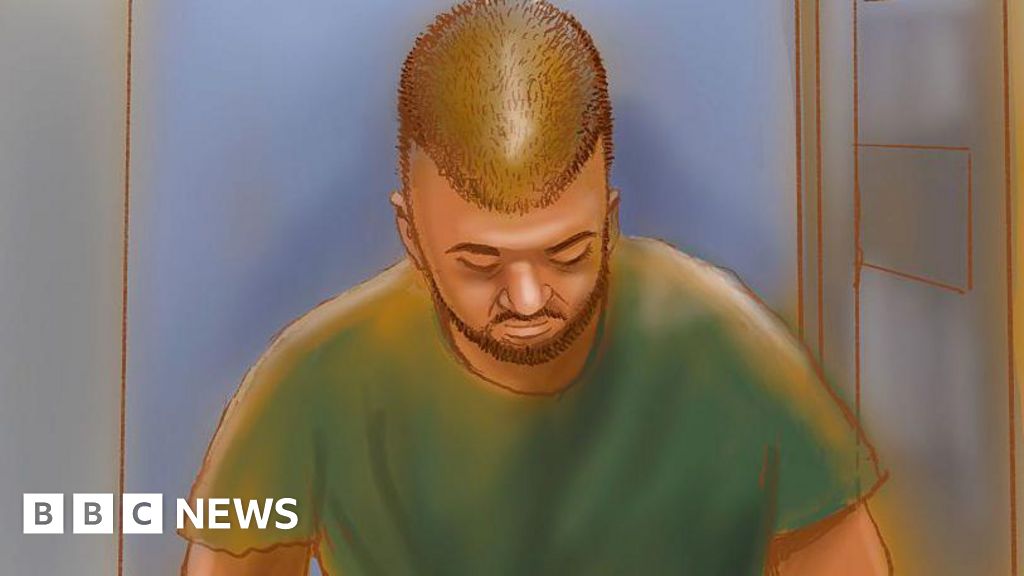
The family of alleged Bondi gunman Naveed Akram is living in “constant fear” after receiving death threats, a Sydney court heard, as legal proceedings continue over whether their identities should be suppressed. Akram, 24, is facing 59 charges related to the December 14 attack on a Jewish festival, an incident that has been labeled the worst terror attack in Australian history.
Akram’s lawyer has requested the suppression of the names, addresses, and workplaces of his mother, brother, and sister to protect them from potential vigilante violence. A magistrate granted a temporary suppression order last week, acknowledging the global interest in the case, but noted that Akram’s mother’s name had already been widely circulated.
Legal Proceedings and Public Reaction
During a session at the Downing Centre Local Court on Tuesday, Richard Wilson, representing Akram, highlighted the “outpouring of public grief, public outrage, and public anger” over the shooting, which resulted in 15 fatalities. “However, there is no suggestion the defendant’s mother, brother or sister had anything to do with it,” Wilson emphasized, arguing that publishing their details could incite further threats.
In statements submitted to the court, Akram’s mother detailed incidents of harassment, including vehicles driving past their home hurling abuse and death threats. One particularly alarming incident involved a group of men knocking on their door late at night, only to leave before police arrived. The family has also been targeted with eggs, pork chops, and threatening messages, one of which chillingly asked, “Are you still alive?”
Media Challenge and Public Interest
Meanwhile, several Australian news organizations, including News Corp Australia, the Australian Broadcasting Corporation, and Guardian Australia, have contested the suppression order. Matthew Lewis, representing the media, argued that the information is already public, stating, “The cat is well and truly out of the bag.” He further noted that the incidents described by the family had decreased over time, with no evidence of an imminent threat.
Transparency in the case was of the utmost importance, he said, as it can help the community come to terms with the shooting – which police have declared the worst terror attack in the nation’s history.
Context and Historical Parallels
The attack on December 14 has drawn comparisons to other tragic events in Australia, raising questions about security and community safety. The incident has sparked a national conversation about the balance between public interest and individual privacy, especially in high-profile cases involving terrorism.
Historically, Australia has grappled with the challenges of maintaining transparency in legal proceedings while ensuring the safety of individuals involved. The current debate over the suppression order reflects these ongoing tensions.
Implications and Future Developments
The court’s decision on the suppression order will likely have significant implications for how similar cases are handled in the future. It raises critical questions about the role of the media in reporting on terrorism-related cases and the protection of individuals who may be indirectly affected by such incidents.
As the legal proceedings continue, the Akram family remains under significant stress, fearing for their safety. The outcome of this case could set a precedent for how the justice system balances the rights of individuals with the need for public transparency in matters of national security.
The next steps in this case will be closely watched, not only by those directly involved but also by legal experts and the public, as it may influence future legal and media practices in Australia.