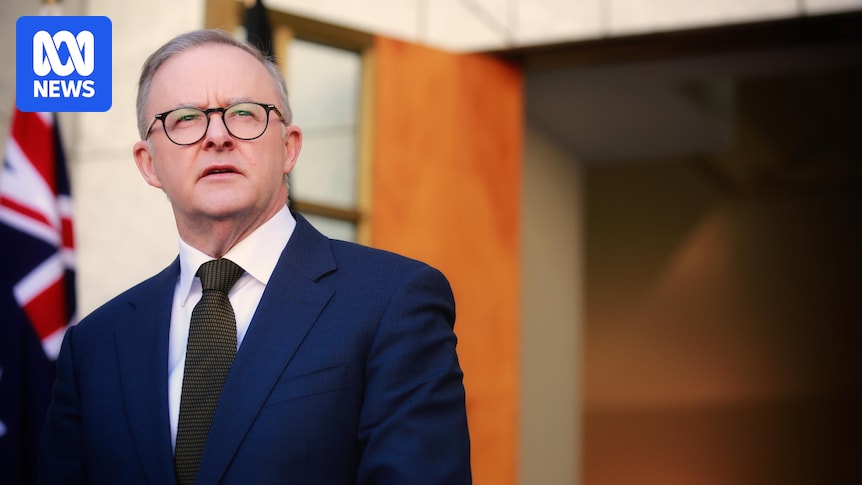
In a dramatic turn of events, Australian Prime Minister Anthony Albanese was evacuated from the official residence, The Lodge, in Canberra last night due to a bomb threat. The threat was linked to performances by Shen Yun, a classical Chinese dance and music group banned in China, which is scheduled to perform across Australia in the coming month.
The evacuation was prompted by an email sent to Shen Yun’s local organizers, falsely claiming that explosives had been placed around the prime minister’s residence. The email threatened detonation if the performances proceeded. The Australian Broadcasting Corporation (ABC) confirmed the email’s contents, which included a chilling warning:
“Large quantities of nitro-glycerine explosives have been placed around the Australian Prime Minister’s Lodge, located on Adelaide Avenue in the Deakin area of Canberra, Australia. If you insist on proceeding with the performance, then the Prime Minister’s Lodge will be blown into ruins and blood will flow like a river.”
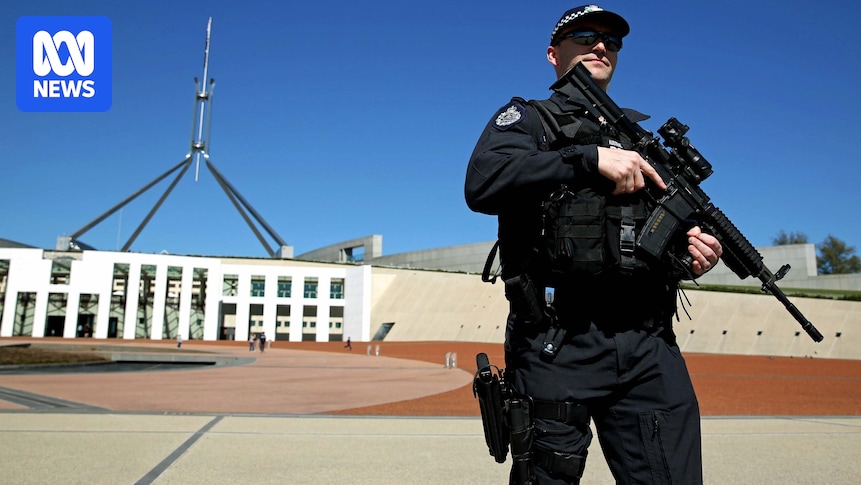
The Australian Federal Police (AFP) were alerted to the threat by Shen Yun yesterday afternoon. Following a thorough search of the premises, the AFP determined there was no actual threat. Prime Minister Albanese was relocated for several hours during the investigation. In a statement, the AFP confirmed,
“A thorough search of a protection establishment was undertaken and nothing suspicious was located. There is no current threat to the community or public safety.”
Shen Yun and the Falun Gong Connection
Shen Yun, known for its performances that celebrate traditional Chinese culture, has been linked to the Falun Gong spiritual movement, which is banned in China. The group is set to perform in several Australian cities, with its first show on the Gold Coast tonight. The threat comes amid ongoing tensions between Shen Yun and the Chinese government, which has consistently criticized the group’s performances.
Chinese embassies in Australia have previously warned against attending Shen Yun shows, labeling them as a “political tool” of the Falun Gong movement. In January, the Chinese consulates in Sydney and Melbourne issued statements condemning the performances, accusing them of containing “hidden political elements” and of “maliciously slandering the Chinese government.”
Falun Gong has responded to these accusations by labeling them as “transnational repression,” a tactic used by foreign governments to silence or intimidate diaspora communities. The group highlighted the Chinese government’s long-standing persecution of Falun Dafa practitioners, documented by international human rights organizations.
Historical Context of Threats Against Shen Yun
This is not the first time Shen Yun has faced security threats. Last year, a bomb threat led to the evacuation of the John F. Kennedy Center for the Performing Arts in Washington, D.C., ahead of a Shen Yun performance. The incident underscores the ongoing risks faced by the group and its association with Falun Gong.
Rising Threats Against Australian Parliamentarians
The incident at The Lodge is part of a broader trend of increasing threats against Australian parliamentarians. According to the AFP, there were 951 reports of threatening communications to parliamentarians last financial year. ASIO boss Mike Burgess has warned about the erosion of civil discourse in Australia, stating,
“Our words matter, our decisions matter, our actions matter. The aggrieved, the opportunistic, and the cunning are ripping our social fabric.”
In response, the AFP has established National Security Investigations (NSI) teams in major cities to address these threats. New AFP Commissioner Krissy Barrett has emphasized the importance of tackling groups and individuals that promote hatred and fear, noting that 21 individuals have been charged since September.
Looking Ahead
While there is no evidence linking the Chinese government to the threat against The Lodge, the incident highlights the complex geopolitical tensions surrounding Shen Yun’s performances. As the group continues its tour in Australia, authorities remain vigilant. Prime Minister Albanese, reflecting on the incident, urged for calm and civility, reminding Australians not to take safety for granted.
The situation remains fluid, and both the Australian government and Shen Yun organizers are likely to increase security measures for upcoming performances. The broader implications of this incident may influence diplomatic relations and public discourse surrounding cultural performances and international influence in Australia.