


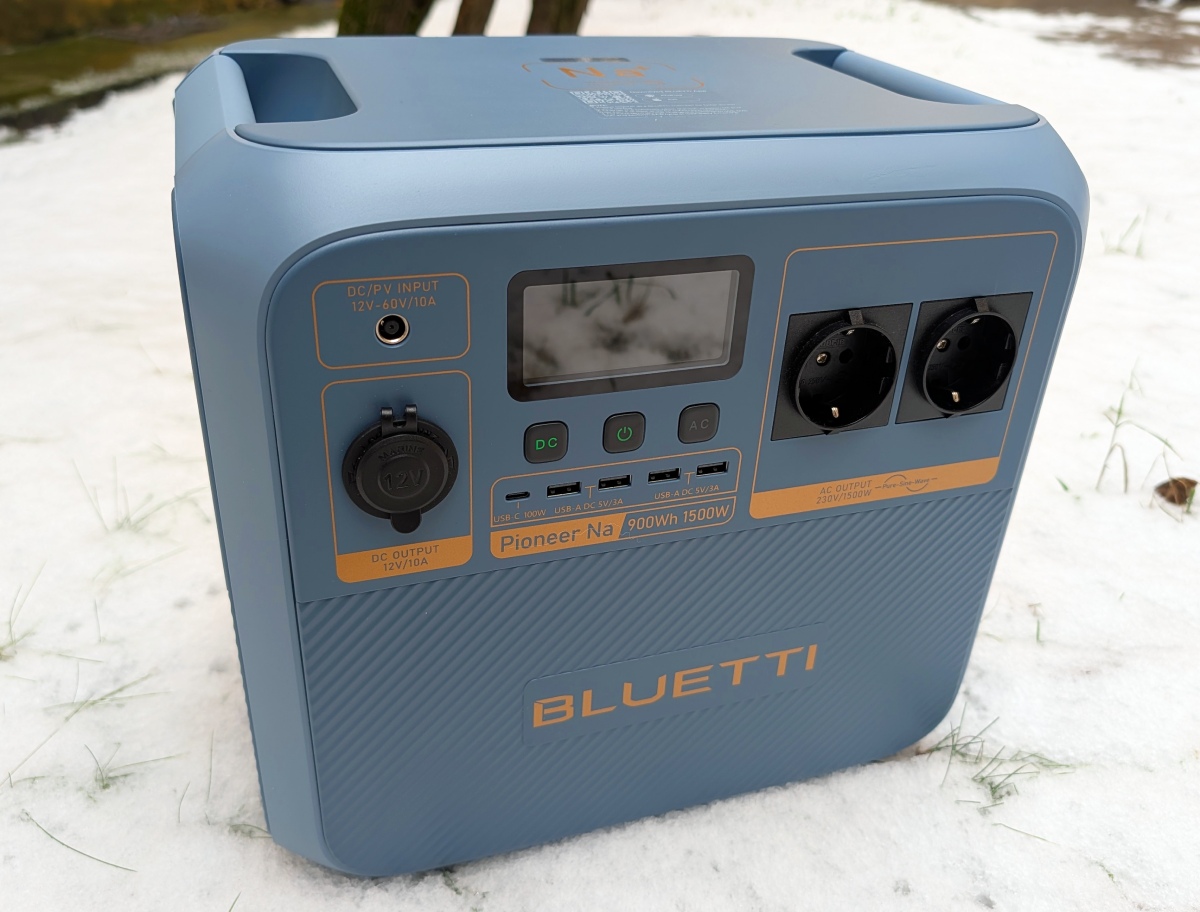
In a bold move to innovate within the portable power industry, Bluetti, a renowned Chinese battery manufacturer, has introduced the Pioneer Na, a portable power station utilizing sodium-ion technology. This development marks a significant shift from the traditional lithium-ion systems that have dominated the market. Tested in sub-zero temperatures, the Pioneer Na aims to offer a viable alternative for those requiring reliable power in extreme conditions.
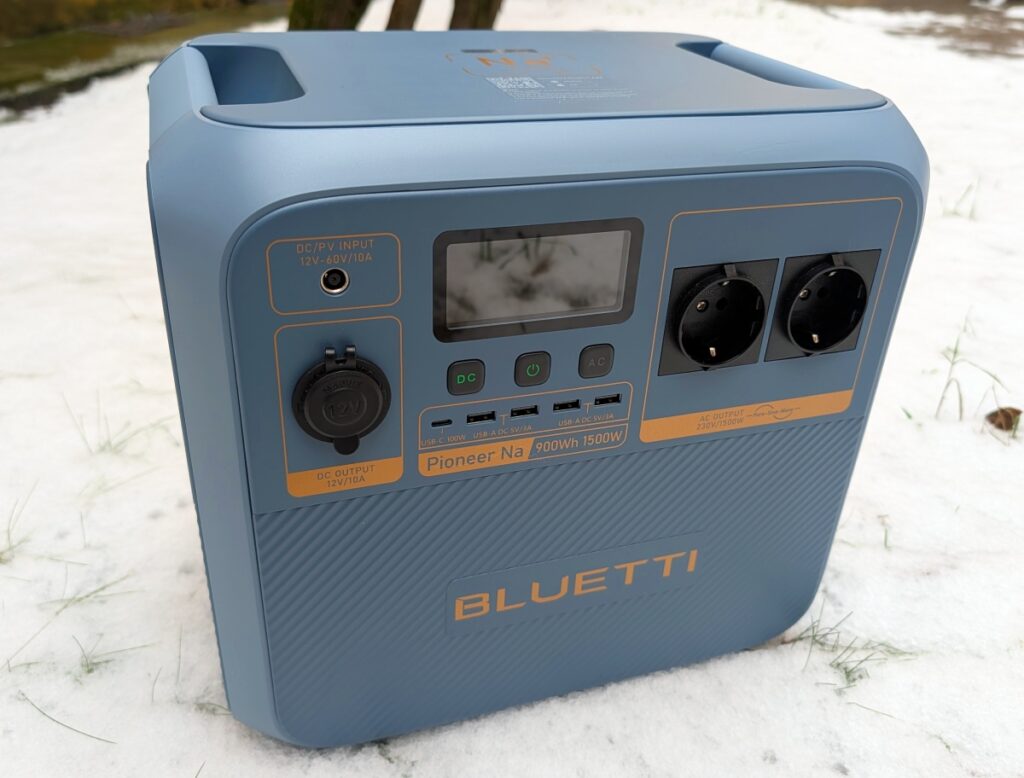
The announcement comes as the industry reaches a maturation point with lithium-based innovations, prompting manufacturers like Bluetti to explore alternative chemistries. The Pioneer Na, characterized by its striking blue design, employs a NaFeMnO₂ cell for its cathode and hard carbon for its anode, distinguishing itself from its lithium counterparts.
The Sodium-Ion Advantage
The transition to sodium-ion technology is driven by several compelling advantages. Sodium-ion batteries offer a less volatile chemical composition, reducing the risk of thermal runaway, a significant safety concern with some lithium chemistries. Bluetti highlights the Pioneer Na’s ability to operate in a wider temperature range, capable of charging at temperatures as low as –15°C and discharging at –25°C. In comparison, conventional lithium iron phosphate (LFP) power stations struggle below 0°C, often requiring energy-draining heaters to function.
Furthermore, the sodium-ion technology boasts greater thermal stability and a more environmentally friendly supply chain, free from cobalt and lithium. However, there are trade-offs; at -25°C, the Pioneer Na provides 80% discharge capacity, and below -10°C, it can recharge up to 60% state of charge (SoC).
Technical Specifications and Trade-Offs
The Pioneer Na is equipped with a 900 Wh capacity, delivering 1500 W output and supporting 1900 W fast charging. It promises over 4000 cycles and a 10-year battery life. The power station accepts 1,400 W AC input, 500 W solar input, and 12V/24V from a car lighter port. Despite these impressive features, the device’s weight of 16 kg is a notable drawback, especially when compared to Bluetti’s Elite 100 V2, which offers a slightly higher capacity at 1,024 Wh and weighs only 11.5 kg.
Output options include multiple AC outlets, USB-A ports, and a USB-C port, with a wireless charging point that requires activation via the Bluetti app. However, the absence of an IP rating may deter users who need robust protection against environmental elements.
Real-World Testing and Performance
ESS News conducted a practical test of the Pioneer Na in the harsh German winter, where temperatures dropped below -10°C. While discharging performed as expected, charging was limited by temperature constraints. Bluetti provided detailed charging rates:
- 10–25°C: ≈ 1400W charging
- 0°C: ≈ 245W
- -5°C: ≈ 211W
- -10°C: ≈ 159W
- -15°C: ≈ 132W
- -20°C and lower: Not chargeable
This data underscores the Pioneer Na’s ability to function when lithium-based systems cannot, albeit with some limitations.
Market Position and Future Prospects
The introduction of the Pioneer Na highlights sodium-ion’s potential in specific niches, such as for ice fishers or those frequently in cold climates. However, for most consumers, lithium remains the superior choice due to its higher capacity, power, and lighter weight. Bluetti’s own Elite 100 V2 exemplifies these advantages, outperforming the Pioneer Na in several key areas.
Despite these challenges, Bluetti’s foray into sodium-ion technology is commendable. Initially priced at $1,299, the Pioneer Na has seen discounts, making it more accessible. A Bluetti spokesperson emphasized the company’s commitment to refining this technology, stating:
“Pioneer Na was developed to address a critical gap in energy storage—reliability under extreme temperature stress. Achieving stable performance at -25°C is a practical step forward for the industry. Beyond its cold-weather resilience, sodium-ion technology offers a dual advantage: it alleviates the global reliance on lithium resources and provides inherent thermal stability for enhanced safety. While this marks a global milestone, Bluetti’s focus remains on the continuous refinement of the technology to ensure it consistently meets the real-world demands of our users for a more resilient energy future.”
The move represents a significant step towards diversifying energy storage solutions, with Bluetti leading the charge in exploring sodium-ion’s potential. As the industry evolves, the Pioneer Na may well pave the way for more sustainable and versatile power options.