




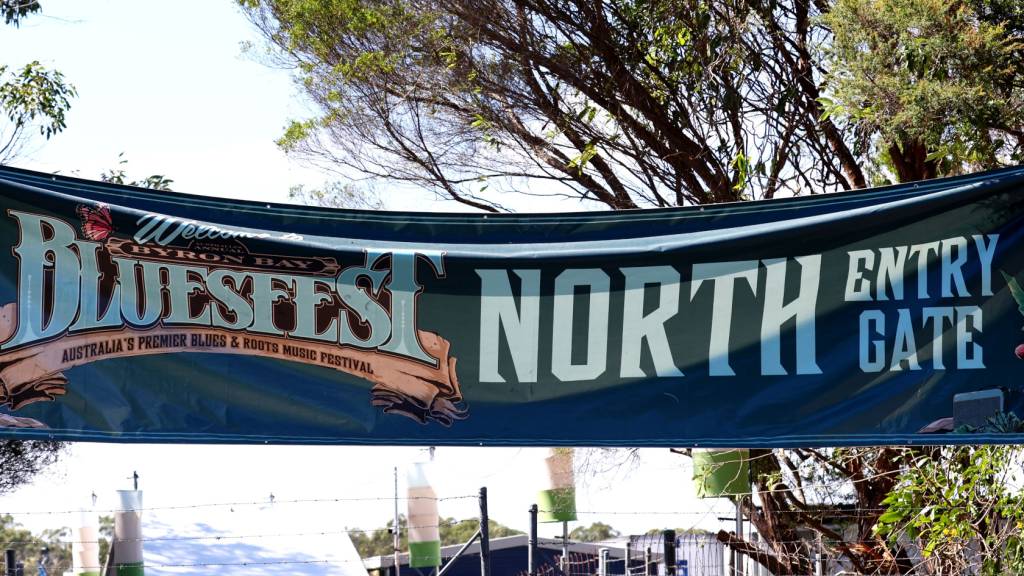
The collapse of the Byron Bay Bluesfest, just weeks before its Easter schedule, has sent shockwaves through Australia’s live entertainment industry. Despite receiving up to $3.4 million in taxpayer subsidies since 2021, the festival’s organizing company, Bluesfest Enterprises Pty Ltd, has been forced to wind up operations, revealing debts of approximately $23 million. Thousands of ticket-holders are now left in financial limbo.
A notification of resolution for winding up the company was lodged with the Australian Securities and Investments Commission on Friday. This development has exposed significant vulnerabilities within the financial management of major cultural events in the country.
Financial Struggles and Subsidies
The financial struggles of Bluesfest have raised questions about the sustainability and management practices of large-scale music festivals in Australia. The festival, which has been a staple of the Australian music scene, reportedly took in at least $5.6 million in revenue, yet still faced insurmountable financial challenges.
Experts suggest that the reliance on government subsidies might have masked underlying financial issues. According to industry analyst Sarah Thompson, “While subsidies can provide essential support, they should not be the sole lifeline for festivals. There’s a need for robust financial planning and management to ensure long-term viability.”
Impact on Ticket-Holders and Artists
The sudden collapse has left thousands of ticket-holders without recourse, sparking outrage and disappointment. Many had invested in tickets months in advance, expecting to enjoy performances from renowned international and local artists.
Artists scheduled to perform at the festival are also affected, with many expressing concerns over lost income and disrupted schedules. “It’s a huge blow to the artists who rely on these festivals for exposure and revenue,” said musician and industry advocate, John Ellis.
“The financial collapse of Bluesfest highlights the precarious nature of the live music industry, where artists and fans are often left to bear the brunt of poor management decisions.” — John Ellis
Historical Context and Industry Implications
The collapse of Bluesfest is not an isolated incident. Historically, other festivals have faced similar financial difficulties, often resulting in abrupt cancellations. This trend points to a broader issue within the industry, where the balance between artistic vision and financial sustainability is often precarious.
In the past, festivals like the Big Day Out and Soundwave have also experienced financial turmoil, leading to their eventual shutdown. These cases underline the need for a reevaluation of how music festivals are funded and managed in Australia.
Looking Ahead: A Call for Reform
The Bluesfest debacle has prompted calls for reform within the live entertainment sector. Industry stakeholders are urging for greater transparency in financial dealings and more stringent oversight of festival management practices.
There is also a push for better protection measures for ticket-holders and artists, ensuring they are not left vulnerable in the event of a financial collapse. “We need to establish a safety net for those who invest in and support the arts,” said cultural economist Dr. Emily Nguyen.
“This is a wake-up call for the industry. It’s imperative that we learn from these failures and implement strategies that safeguard the future of live music events.” — Dr. Emily Nguyen
As the dust settles on the Bluesfest collapse, the focus now shifts to how the industry can rebuild trust and ensure the sustainability of its cultural offerings. With reforms on the horizon, the hope is that future festivals can thrive without the looming threat of financial instability.