


The 2010s marked a transformative era in cinema, characterized by both intimate storytelling and grandiose blockbusters. Films like Moonlight, Parasite, and Get Out offered deeply personal narratives, while superhero spectacles dominated the box office and cultural zeitgeist. This delicate balance was largely maintained throughout the decade, despite significant shifts in the industry.
The rise of streaming services and advancements in digital filmmaking technology played pivotal roles in reshaping the cinematic landscape. These changes brought both opportunities and challenges, influencing how films were produced, distributed, and consumed. Against this backdrop, we explore the standout films of the 2010s across various genres, each leaving a lasting impact on audiences and critics alike.
Action: ‘John Wick’ (2014)
In 2014, John Wick redefined action cinema with its focus on precision and style. The film, starring Keanu Reeves, took a classic revenge narrative and elevated it through expertly choreographed fight sequences and a compelling protagonist. Unlike many of his contemporaries, Reeves’ character displayed a rare vulnerability, adding depth to the relentless action.
The film’s success spawned sequels and imitators, yet the original remains unmatched in its execution. Its portrayal of a shadowy criminal underworld, combined with morally ambiguous characters, created a rich tapestry that captivated audiences. The script was tailored to Reeves’ strengths, further enhancing the film’s appeal.
Animation: ‘Spider-Man: Into the Spider-Verse’ (2018)
Spider-Man: Into the Spider-Verse revolutionized animation and superhero films alike. Directed by Peter Ramsey, Rodney Rothman, and Bob Persichetti, the film introduced a groundbreaking visual style that blended comic-book aesthetics with vibrant colors and dynamic editing. This innovative approach could have easily faltered, but the directors executed it with finesse.
The film’s narrative celebrated diversity and individuality, with Shameik Moore voicing Miles Morales, a hero who learns the true meaning of heroism. The multiverse concept served as both a plot device and a metaphor, enriching the film’s emotional depth.
“Anyone can wear the mask. You could wear the mask.”
Comedy: ‘The Grand Budapest Hotel’ (2014)
Wes Anderson’s The Grand Budapest Hotel is a masterclass in comedic storytelling, blending whimsy with melancholy. The film’s meticulously crafted aesthetic and dry humor are trademarks of Anderson’s style, yet it also explores deeper themes of grace and civility amidst chaos.
Ralph Fiennes delivered a standout performance as M. Gustave, a hotel concierge whose refined manners belie a chaotic life. The film’s humor is rooted in affection, finding beauty in absurdity. Anderson’s ability to juxtapose tragedy with comedy creates a unique cinematic experience.
Drama: ‘Moonlight’ (2016)
Moonlight stands as one of the most poignant dramas of the decade, offering a nuanced exploration of identity and masculinity. Directed by Barry Jenkins, the film follows Chiron’s journey from childhood to adulthood, portrayed by three different actors who seamlessly convey the character’s evolution.
The film’s visual language and restrained performances underscore its emotional depth. Jenkins’ lyrical approach captures the beauty and pain of Chiron’s life, while Naomie Harris and Mahershala Ali deliver powerful supporting performances.
“At some point, you gotta decide for yourself who you gonna be.”
Epic: ‘Mad Max: Fury Road’ (2015)
George Miller’s Mad Max: Fury Road redefined the epic genre with its exhilarating blend of action and storytelling. Set in a dystopian wasteland, the film features Tom Hardy and Charlize Theron leading a high-octane chase across vast landscapes.
The film’s kinetic energy and inventive world-building set it apart from traditional action fare. Miller’s vision transformed the chase film into an operatic spectacle, with themes of survival and rebellion resonating throughout.
“My name is Max. My world is fire and blood.”
Fantasy: ‘The Shape of Water’ (2017)
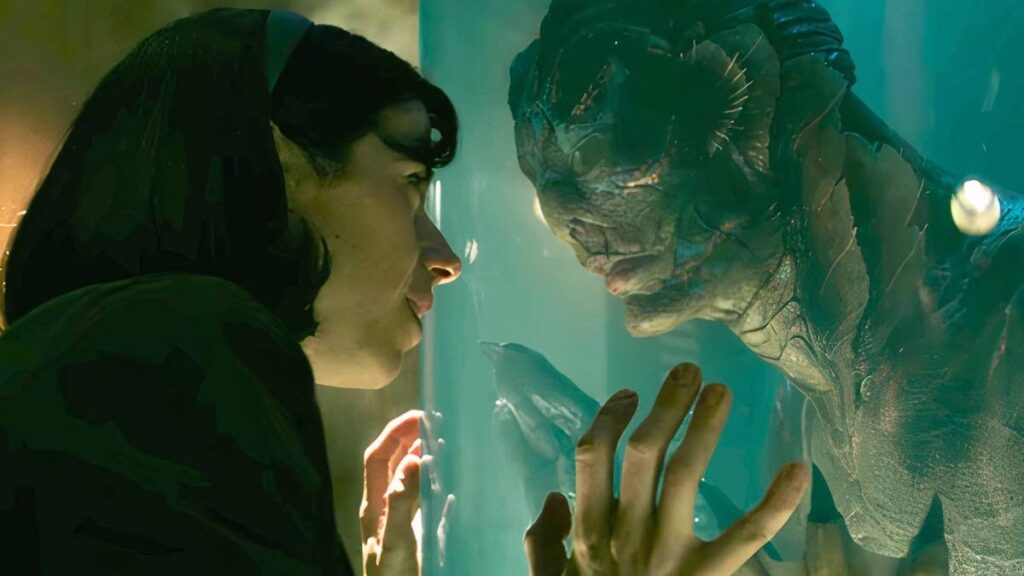
Guillermo del Toro’s The Shape of Water is a fairy tale for the modern age, celebrating outsiders and dreamers. Sally Hawkins stars as Elisa, a mute cleaner who forms a tender bond with an amphibious creature, played by Doug Jones.
The film’s enchanting visuals and heartfelt narrative highlight del Toro’s ability to find beauty in the monstrous. Set against the backdrop of Cold War paranoia, the story becomes a metaphor for resistance and acceptance.
“When he looks at me, he does not know what I lack… or how I am incomplete.”
Horror: ‘Get Out’ (2017)
Jordan Peele’s Get Out redefined horror by blending social commentary with suspense. The film follows Chris, played by Daniel Kaluuya, as he uncovers the sinister reality behind his girlfriend’s seemingly idyllic family.
Peele’s exploration of racism and cultural appropriation struck a chord with audiences, making Get Out a cultural phenomenon. The concept of the “Sunken Place” became an iconic metaphor for lost agency.
“Sink into the floor.”
Sci-Fi: ‘Arrival’ (2016)
Denis Villeneuve’s Arrival offered a fresh take on the sci-fi genre, focusing on language and communication over spectacle. Amy Adams stars as a linguist tasked with deciphering an alien language, leading to profound revelations about time and memory.
The film’s introspective narrative and striking visuals set it apart, while Jóhann Jóhannsson’s haunting score adds emotional depth. Arrival challenges viewers to reconsider their perceptions of time and connection.
“If you could see your whole life from start to finish, would you change things?”
Thriller: ‘Gone Girl’ (2014)
David Fincher’s Gone Girl is a masterful thriller that delves into the complexities of marriage and media manipulation. Rosamund Pike delivers a career-defining performance as Amy Dunne, a modern femme fatale whose disappearance sparks a media frenzy.
Fincher’s precise direction and Gillian Flynn’s sharp script create a labyrinthine narrative filled with twists and turns. The film’s exploration of image and truth resonates in an era dominated by media spectacle.
“I feel like something to be jettisoned if necessary. That’s how you make me feel.”
Western: ‘The Revenant’ (2015)
Alejandro G. Iñárritu’s The Revenant revitalized the Western genre with its visceral portrayal of survival and vengeance. Leonardo DiCaprio stars as Hugh Glass, enduring brutal conditions to seek justice for his son’s death.
The film’s raw intensity and breathtaking cinematography capture the harsh beauty of the wilderness. DiCaprio’s physical performance earned him an Academy Award, solidifying The Revenant as a modern classic.
“As long as you can still grab a breath, you fight. You breathe… keep breathing.”
As the 2010s fade into history, these films continue to resonate, each representing the pinnacle of their respective genres. They reflect the decade’s dynamic interplay between innovation and tradition, offering audiences a diverse array of cinematic experiences.