



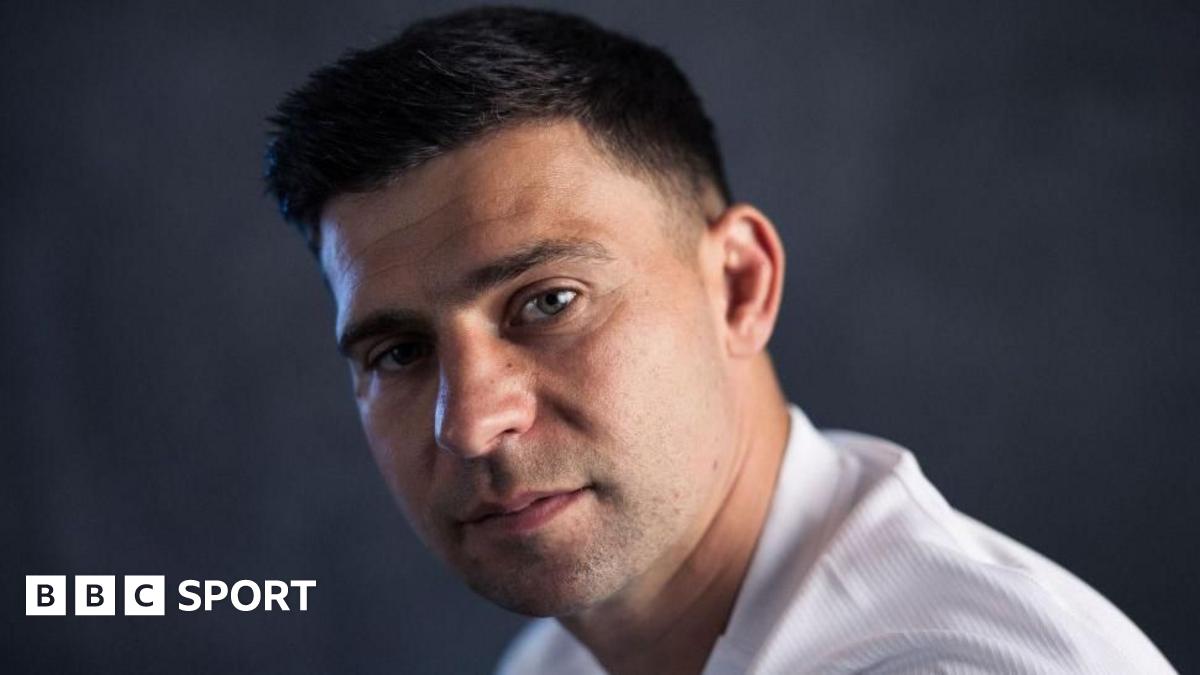
Ben Youngs, the former England and Leicester Tigers scrum-half, recently opened up about his emotional journey exploring rugby safety in the BBC documentary, Ben Youngs Investigates: How Safe Is Rugby? The documentary delves into the risks associated with the sport, particularly head injuries, and what measures are being taken to protect players.
Youngs recounts a poignant moment with his former teammate, Lewis Moody, discussing Moody’s diagnosis of motor neurone disease (MND). Despite the emotional weight of the conversation, both players expressed their enduring love for rugby. However, the discussion raised pressing questions about the sport’s safety, especially concerning head injuries.
Rugby’s Brutal Beauty and the Risk of Head Injuries
Rugby is celebrated for its physicality and intensity, but these elements also pose significant risks. Youngs reflects on the era when he began his career, noting the absence of on-field head injury assessments. He contrasts this with the current protocols, highlighting the evolution of safety measures in the sport.
The documentary sheds light on the stories of former players like Anthony Watson, who admitted to cheating the head injury assessment system, and Steve Thompson, who suffers from early onset dementia. Thompson’s experience underscores the long-term consequences of repeated head trauma, prompting Youngs to question if his generation contributed to the problem.
Scientific Advances and Safety Protocols
Youngs’ meeting with Lindsay Starling, the science and medical manager for World Rugby, revealed the extensive research and investment dedicated to player safety. Innovations such as smart mouthguards and the presence of independent doctors at matches are pivotal in managing head injuries.
These advancements are a far cry from the early days of professionalism, where brutal training sessions and a lack of concussion awareness were the norm. The documentary highlights the significant strides made in reducing contact during training and improving the head injury assessment protocol.
Impact on Grassroots and Future Directions
Youngs observes the trickle-down effect of professional safety measures to grassroots rugby, noting how his son Boris’ team now adheres to strict head injury protocols. This shift represents a broader cultural change within the sport, aiming to prioritize player welfare at all levels.
The Rugby Football Union (RFU) has introduced a free brain test for retired elite English players, a step Youngs supports as crucial for ongoing player safety. His own experience undergoing a brain scan, despite initial nerves, highlighted the importance of regular health checks for former players.
Rugby’s Path Forward
While Youngs acknowledges the progress made in rugby safety, he emphasizes the need for continued vigilance. Proposals to reduce the length of the season and further limit contact in training are among the measures he believes could enhance player safety.
Youngs concludes that rugby is in a safer place than ever before, thanks to its proactive approach to research and safety protocols. However, he stresses that the sport must continue to balance player responsibility with comprehensive safety measures to ensure the well-being of all participants.