


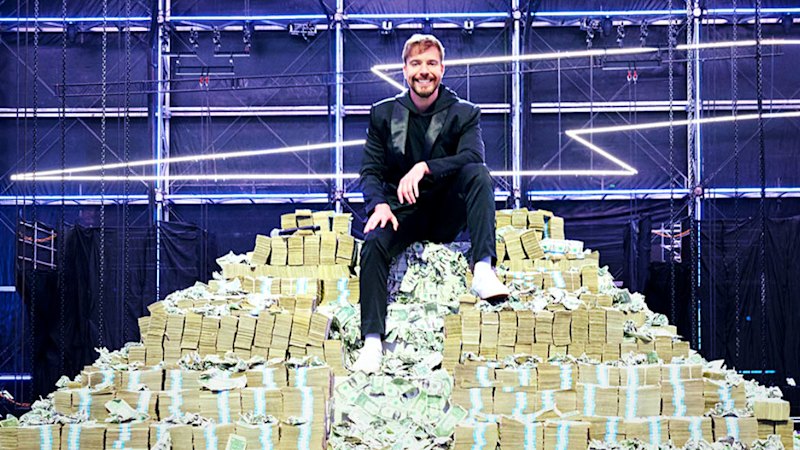
Beast Games, touted as the largest reality TV show in the world, has captured global attention since its debut last summer. Created by YouTube sensation MrBeast, also known as Jimmy Donaldson, the show features 1,000 contestants vying for a staggering US$10 million prize. This ambitious project is a collaboration with Amazon, one of the world’s largest companies, and has quickly become a hit on Amazon Prime.
The show, inspired by the hit series Squid Game, challenges contestants with exaggerated versions of children’s games, albeit without the lethal consequences. Despite its success, Beast Games has faced criticism for its perceived dystopian themes and a pending lawsuit alleging poor working conditions and a toxic environment. MrBeast has dismissed these claims, while Amazon has remained silent on the issue.
The Rise of MrBeast
Jimmy Donaldson, the 27-year-old mastermind behind Beast Games, has built a formidable empire on YouTube, amassing 458 million subscribers. Known for his extravagant stunts and philanthropic endeavors, Donaldson’s content often involves high stakes and substantial financial rewards. His business ventures extend beyond YouTube, with interests in snack foods and software, contributing to his estimated US$500 million fortune.
Donaldson’s journey began with viral videos like “I counted to 100,000!” and has evolved to include elaborate challenges and charitable acts. His reputation for pushing boundaries and creating larger-than-life content has made him a household name, though not without controversy.
Beast Games: A Spectacle of Scale
With its unprecedented scale, Beast Games has set new records, breaking 44 Guinness World Records and attracting 50 million viewers in just 25 days. The show’s second season, launching this week, promises even more excitement with a reduced contestant count and a focus on narrative development.
Season two introduces a “Smart vs Strong” theme, dividing contestants into two groups based on perceived attributes. This approach aims to enhance viewer connection and streamline production, though it has drawn criticism for its simplistic character portrayals.
“Season two trims down the contestants considerably from 1000 to 200, a move Donaldson has said was motivated by feedback and reviews.”
Critics and Controversies
Despite its popularity, Beast Games has not escaped criticism. Some view the show as a “dystopian nightmare,” highlighting the irony of its inspiration from Squid Game, a critique of capitalism and reality TV. The ongoing lawsuit from former contestants further complicates its reputation, with allegations of a toxic work environment and misogyny.
Donaldson’s approach to content creation, characterized by grandiose stunts and rapid-fire editing, has been both praised and criticized. While some appreciate the spectacle, others find it alienating, reducing life-changing moments to mere seconds of screen time.
The Future of Reality TV
As Beast Games continues to evolve, its impact on the reality TV landscape remains significant. The show’s ability to captivate audiences with its sheer scale and spectacle is undeniable, but its long-term success may depend on addressing criticisms and enhancing character development.
Episode four of the new season promises an intriguing crossover with Survivor, featuring host Jeff Probst. This collaboration could introduce new depth to Beast Games, potentially transforming it from the biggest reality show to one of the most engaging.
As the series progresses, viewers and critics alike will be watching closely to see if Beast Games can balance its massive scale with meaningful storytelling, ultimately redefining what reality TV can achieve.