




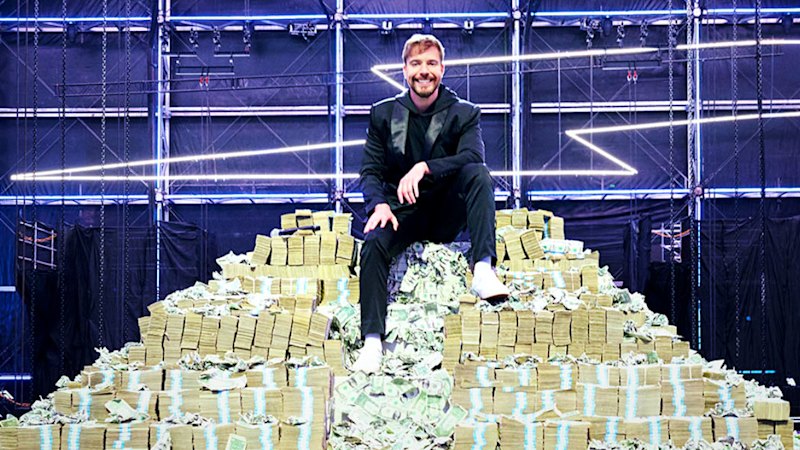
Beast Games, heralded as the largest reality TV show globally, has captivated audiences with its grand scale and high stakes. Created by YouTube sensation MrBeast, also known as Jimmy Donaldson, the show debuted last summer on Amazon Prime, drawing comparisons to the hit series Squid Game. With a staggering 1,000 contestants and a $10 million prize, the show’s first season became an instant success, attracting 50 million viewers in just 25 days.
However, the show’s immense popularity has not come without criticism. Some have labeled it a “dystopian nightmare” and a “cruel abstraction,” pointing out the irony of its inspiration—a critique of capitalism’s harsh realities and a parody of reality TV itself. Adding to the controversy, a lawsuit from five contestants alleges poor working conditions and a culture of misogyny, claims that Donaldson has dismissed as “blown out of proportion.”
The MrBeast Phenomenon
MrBeast, whose real name is Jimmy Donaldson, has built a formidable empire on YouTube, amassing 458 million subscribers. His content is characterized by extravagant stunts and philanthropic acts, often involving significant cash prizes. Despite his wealth, estimated by Forbes to be around $500 million, Donaldson claims to reinvest most of his earnings into his content, including Beast Games, which reportedly cost him “tens of millions” to produce.
Donaldson’s rise to fame began with a viral video at age 18, where he spent nearly 24 hours counting to 100,000. Since then, he has continuously pushed the boundaries of content creation, employing hundreds and spending millions on each video. His ventures extend beyond YouTube, with business interests in snack foods and software, further cementing his status as a media mogul.
The Controversial Success of Beast Games
Despite the criticisms, Beast Games has shattered records, including 44 Guinness World Records, and became Amazon Prime’s most popular unscripted series. The show’s appeal lies in its sheer spectacle, with elaborate challenges and dramatic twists designed to captivate viewers. Season two, which recently premiered, promises even more excitement with a reduced contestant count of 200, a decision influenced by feedback seeking more character development.
The show’s format, however, has drawn comparisons to a YouTube series, with its fast-paced editing and dynamic visuals. Critics argue that this style, while engaging, reduces contestants to mere caricatures, overshadowing their personal stories with the show’s larger-than-life presentation.
Looking Ahead: Season Two and Beyond
Season two introduces a new dynamic by dividing contestants into two groups: Smart vs. Strong. This setup aims to create a narrative, though the portrayal of contestants often leans towards stereotypes rather than nuanced character development. The show continues to blend spectacle with reality, as seen in an upcoming crossover episode with Survivor, featuring host Jeff Probst. This collaboration could infuse Beast Games with a depth that critics have found lacking.
As Beast Games progresses, it remains to be seen whether it can balance its grandiose scale with meaningful storytelling. The show’s success highlights the evolving landscape of reality TV, where spectacle often trumps substance. Yet, for all its flaws, Beast Games offers a transparent glimpse into the world of high-stakes entertainment, where the line between reality and performance is increasingly blurred.
Ultimately, Beast Games exemplifies the modern reality TV phenomenon—an extravagant display that, while occasionally criticized, continues to draw millions of viewers worldwide. As the series evolves, it may not only maintain its status as the biggest reality show but also strive to become a better one.