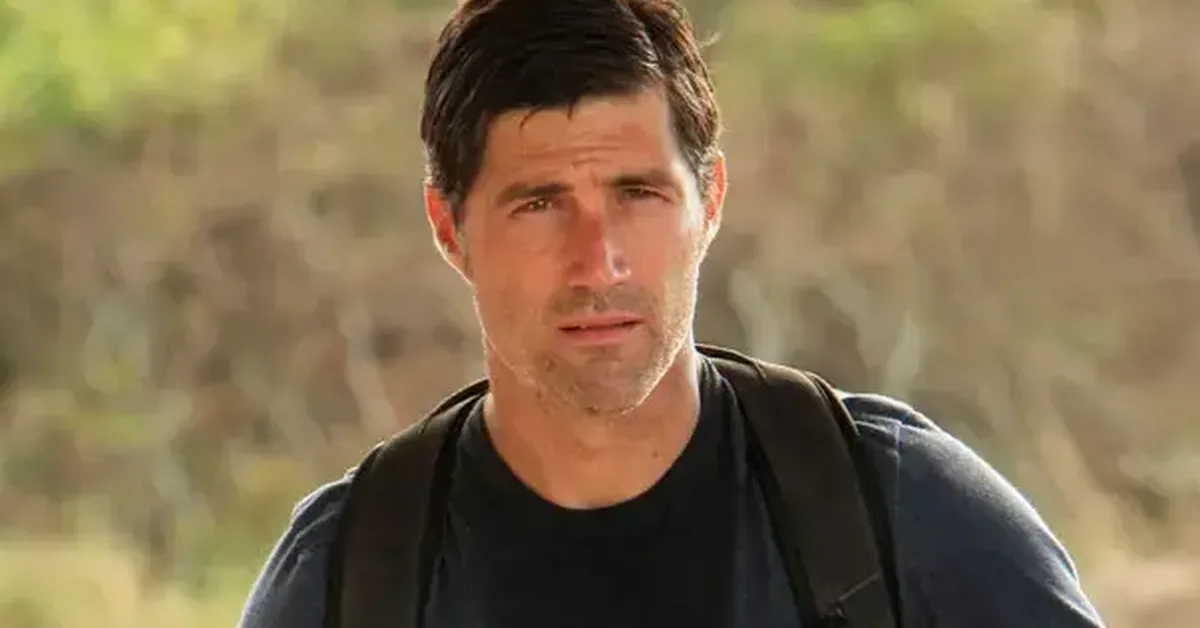


Former Deputy Prime Minister Barnaby Joyce has sparked intrigue in Australian politics by not ruling out a return to his New England seat as a One Nation candidate. This potential shift follows his departure from the National Party in December and his initial plans to run for One Nation’s Senate ticket in New South Wales. Joyce’s recent comments about possibly recontesting in the lower house have left voters divided, with some in Tamworth expressing surprise at this “caveat” but acknowledging that his reputation might work in his favor.
Meanwhile, the Pacific nations of Fiji, Palau, and Tuvalu are preparing to host world leaders and climate change ministers ahead of COP31. This strategic move aims to highlight the Pacific’s existential battle with climate change and encourage larger countries to accelerate emission cuts. Negotiations have been ongoing about who should host the pre-COP meetings, with Palau President Surangel Whipps Jr. indicating that a deal is close.
Angus Taylor’s Stance on National Security
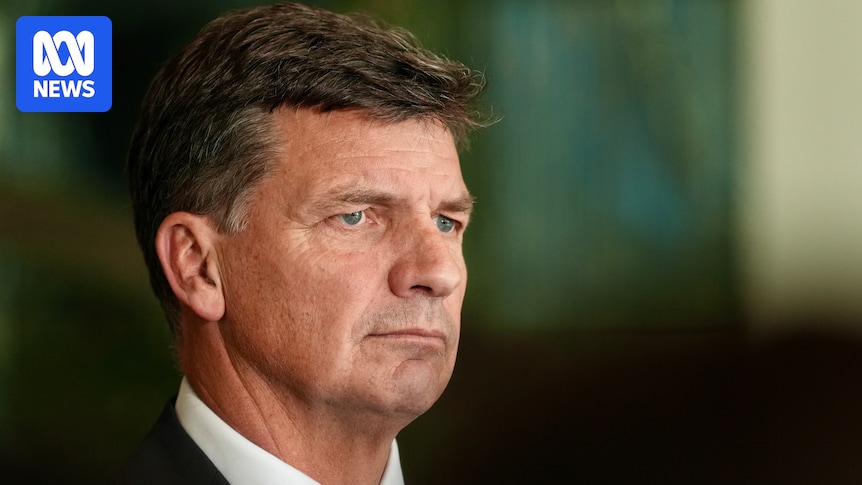
Opposition Leader Angus Taylor has distanced himself from controversial remarks made by One Nation leader Pauline Hanson regarding Muslim Australians. Taylor emphasized that the Coalition’s focus remains on “core values” rather than race or religion. He also expressed the opposition’s willingness to work with the government to broaden powers to refuse Australian passports, questioning why travel documents were approved for Australian women linked to the Islamic State to return from Syria.
The group of 34 women and children attempted to leave the Al-Roj camp in Syria but were forced to turn back. Taylor urged the government to clarify the advice it received about the group, highlighting concerns about radicalization among the children involved. A temporary exclusion order has been issued against one woman, potentially barring her from returning to Australia for up to two years.
Reactions to Andrew Mountbatten-Windsor’s Arrest
The arrest of Andrew Mountbatten-Windsor by UK police on suspicion of misconduct in public office has elicited reactions from Australian politicians. Social Services Minister Tanya Plibersek expressed hope that the news brings comfort to Jeffrey Epstein’s victims, emphasizing that “no one is above the law.” Health Minister Mark Butler reflected on the “fall from grace” of the man once known as Prince Andrew, while Deputy Liberal Leader Jane Hume reiterated the importance of allowing the legal process to unfold.
Intelligence Oversight and Economic Policy
The Australian government has appointed Michael Barnes as the new chief of the nation’s top intelligence watchdog, replacing Christopher Jessup. Attorney-General Michelle Rowland praised Barnes’ extensive experience, ensuring that intelligence agencies continue to face robust scrutiny.
In economic news, Shadow Treasurer Tim Wilson has backtracked on his call to overhaul the Reserve Bank of Australia’s dual mandate of controlling inflation and maintaining full employment. Initially suggesting a focus solely on reducing inflation, Wilson later affirmed his support for the dual mandate, acknowledging the need for a review to address the RBA’s understanding of inflation dynamics.
The political landscape in Australia remains dynamic, with significant developments in national security, climate change diplomacy, and economic policy. As these stories unfold, they continue to shape the nation’s future and its role on the global stage.