

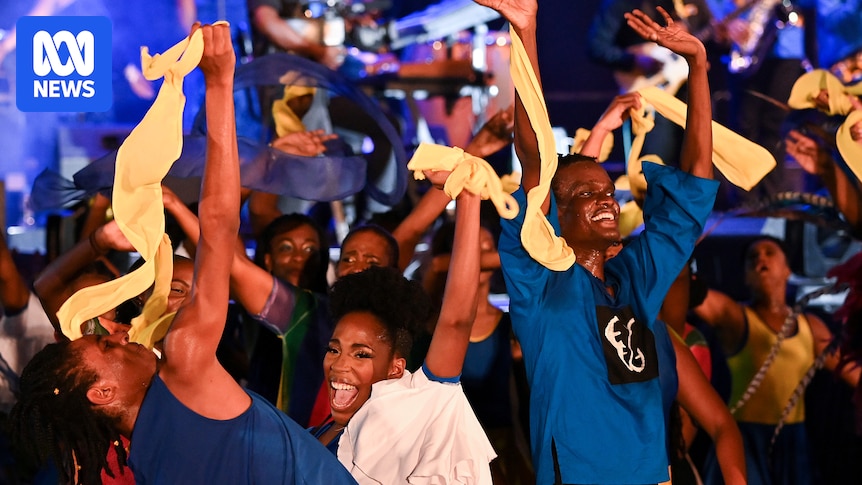
Barbados, renowned for its stunning beaches, cricket fervor, and as the birthplace of rum and pop icon Rihanna, made headlines on November 30, 2021, for a historic political shift. The Caribbean island nation officially removed the British monarch as its head of state, declaring itself a republic. This significant change, however, is rooted in a long history of political pioneering and a desire to shed colonial vestiges.
The decision to become a republic is not an isolated event but part of a broader historical context. Barbados has long been a trailblazer in political developments, housing one of the world’s oldest parliaments since 1639, albeit under British colonial rule. The question arises: why did this small nation with a population of less than 300,000 take such a bold step?
The Legacy of Colonialism and Slavery
Originally inhabited by the Arawak and Carib peoples, Barbados was named “Barbudos” by Spanish and Portuguese explorers in the 16th century after they decimated the indigenous population through slave raids. By 1625, the British had arrived, finding the island devoid of its original inhabitants and ripe for colonization.
In 1627, the British established a farming community on Barbados, relying heavily on the brutal transatlantic slave trade to meet the labor demands of sugar production. The island’s social structure was starkly divided along racial lines, with the majority of the population enslaved.
By the time Britain abolished slavery in 1834, Barbados had a population of 88,000 black and mixed-race people, compared to 15,000 whites who had profited immensely from the sugar trade.
Struggles for Equality and Independence
The inequality ingrained in Barbadian society led to numerous uprisings, including a significant slave rebellion in 1816. Although these efforts were often suppressed, they sowed the seeds for future political activism. Post-emancipation, the island continued to grapple with economic and social challenges, exacerbated by the Great Depression and diminishing opportunities for emigration.
Inspired by Jamaica’s black nationalist movement, Barbados saw the rise of black political leaders in the mid-20th century. By 1950, universal suffrage was established, and by 1961, Barbados achieved full self-governance as a member of the Commonwealth, marking a period of political stability and regular free elections.
Severing Colonial Ties
Despite political advancements, the shadow of colonialism lingered. The British monarchy maintained a presence, with Queen Elizabeth II visiting Barbados multiple times. However, the island’s troubled relationship with Britain, rooted in its history of slavery, fueled a growing desire to sever ties completely.
In 2021, a parliamentary vote to amend the constitution paved the way for Barbados to become a republic. The transition saw Dame Sandra Mason replace Queen Elizabeth II as the head of state, a move celebrated by many as a step towards true sovereignty.
“The wealth gap, the ability to own land, and access to loans from banks all have a lot to do with structures built out of being ruled by Britain,” said Barbadian activist Firhaana Bulbulia. “The actual chains [of slavery] were broken, but the mental chains continue to persist.”
Implications and Regional Influence
Barbados’ decision to become a republic follows similar moves by Guyana in 1970, Trinidad and Tobago in 1976, and Dominica in 1978. The shift reflects a broader regional trend towards decolonization, with countries like Jamaica and Belize considering similar paths.
The island’s transition to a republic is not just a symbolic gesture but a statement of intent to address the lingering effects of colonialism and foster a more equitable society. As Barbados forges its path, it sets a precedent for other nations grappling with colonial legacies.
Looking ahead, Barbados’ move could inspire further discussions on colonialism and independence across the Caribbean and beyond. The island’s journey from a colonial outpost to a republic underscores the enduring spirit of its people and their quest for self-determination.