

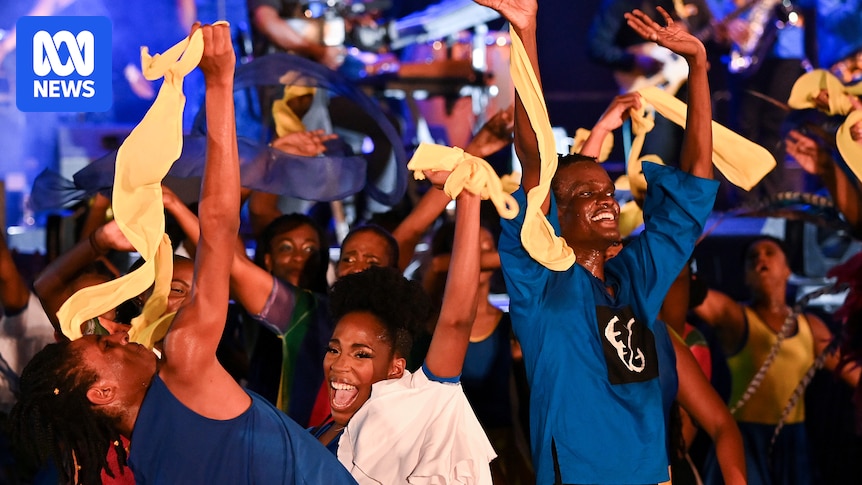
Barbados, renowned for its stunning beaches, love of cricket, and as the birthplace of rum and pop icon Rihanna, made headlines on November 30, 2021, for a historic transformation. The Caribbean island officially removed the British monarch as its head of state, declaring itself a republic. This bold move marks a significant shift in its national identity.
The decision to become a republic did not arise spontaneously. Barbados has long been a political trailblazer, boasting one of the world’s oldest parliaments, established in 1639 under British colonial rule. As countries like Australia continue to debate their ties to the British monarchy, Barbados, with a population of under 300,000, has taken a decisive step forward.
Historical Roots of Change
Barbados’ journey to republic status is deeply rooted in its complex history. Originally inhabited by the Arawak and Carib people, the island was named “Ichirouganaim” before European contact in the 16th century. Spanish and Portuguese explorers, who renamed it “Barbudos,” decimated the indigenous population through slave raids. The few survivors fled, leaving the island largely uninhabited.
In 1625, the British arrived, setting Barbados on a colonial trajectory that would last for centuries. By 1627, a ship carrying 80 English settlers and 10 enslaved Africans established a farming community. The demand for sugar production fueled a brutal slave trade, bringing countless West Africans to the island under harrowing conditions.
“By the time Britain abolished slavery in 1834, 88,000 black and mixed-race people lived on the island alongside 15,000 whites, who profited immensely from the sugar trade.”
Struggles and Resilience
The inequality in Barbadian society was stark, with residents categorized as free, indentured, or enslaved, often along racial lines. This disparity led to a slave rebellion in 1816, although it was swiftly quashed by British forces. Even after emancipation, economic and social inequalities persisted, prompting many freed slaves to emigrate.
However, as the Great Depression hit and opportunities to emigrate diminished, unrest grew. Inspired by Jamaica’s black nationalist movement, black political leaders in Barbados gained momentum in the mid-1940s. By 1950, universal adult suffrage was introduced, and by 1961, Barbados achieved self-governance as a member of the Commonwealth.
Severing Colonial Ties
For decades, Barbados maintained its status as a constitutional monarchy, with Queen Elizabeth II visiting the island multiple times. Despite these visits, the legacy of slavery and colonialism cast a long shadow over the island’s relationship with Britain.
The movement to sever ties with the monarchy gained strength amid global anti-colonial sentiments. In 2021, a parliamentary vote amended the constitution, leading to the installation of Dame Sandra Mason as president, replacing Queen Elizabeth II as head of state. Barbados thus joined the ranks of other Caribbean nations like Guyana, Trinidad and Tobago, and Dominica, which had previously become republics.
“The wealth gap, the ability to own land, and even access to loans from banks all have a lot to do with structures built out of being ruled by Britain,” said Firhaana Bulbulia, a Barbadian activist, highlighting the enduring impact of colonialism.
Implications and Future Prospects
The transition to a republic represents a significant step in Barbados’ journey towards full sovereignty and self-determination. It reflects a broader regional trend as nations reassess their colonial legacies. Jamaica and Belize are among those considering similar moves.
Barbados’ decision underscores the island’s commitment to addressing historical injustices and fostering a more equitable society. As the nation charts its course as a republic, it faces both opportunities and challenges in redefining its national identity and international relationships.
Looking ahead, the world will be watching how Barbados navigates its new status, balancing its rich cultural heritage with modern aspirations for equality and prosperity.