

In a year marked by shifting political dynamics and social upheavals, the Bald Archy Prize has once again captured the essence of Australia’s cultural zeitgeist through its satirical art entries. Known for its humorous and irreverent take on the past year’s events, the prize this year featured a diverse array of characters vying for the title of the most talked-about figure in the nation.
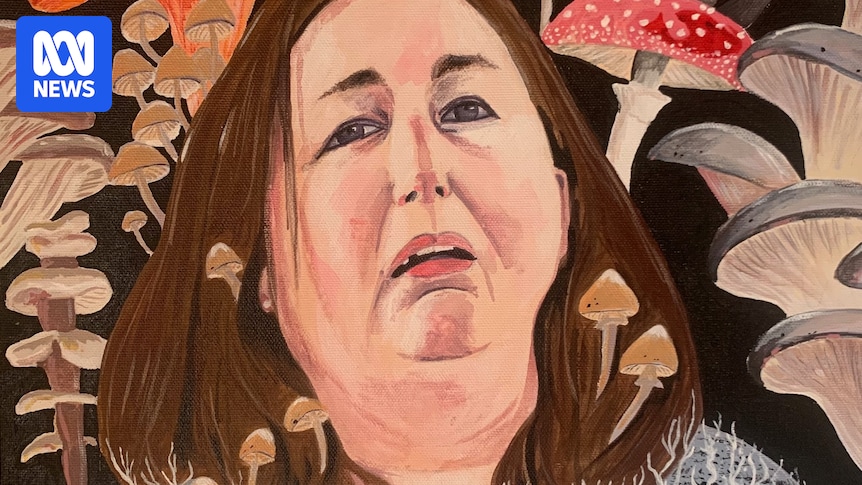
The winning piece, “Emperor Australis,” created by newcomer Mark Davis, portrays Anthony Albanese astride a kangaroo. This painting, a playful re-imagining of Jacques-Louis David’s “Napoleon Crossing the Alps,” symbolizes Albanese’s leadership in guiding the Labor Party to a sweeping victory in the recent federal election. However, the artwork competes for attention with other notable entries, including depictions of Barnaby Joyce and Pauline Hanson in a bubble bath, Erin Patterson surrounded by mushrooms, and Bob Irwin shirtless with a snake.
The Tradition of Satire
As the Liberal Party navigates a leadership transition following weeks of internal conflict, Labor’s electoral triumph seems a distant memory. Yet, Davis’s winning portrait of the Prime Minister captures both the heroic and the absurd, staying true to the Bald Archy’s tradition of satire.
“While Albo looks steely and confident, he’s brought back down to earth because, instead of sitting on a white stallion like Napoleon, he’s sitting on an eastern grey kangaroo that’s quite gangly and likely to throw him off at any moment,” Davis remarked. A self-professed politics enthusiast, Davis hinted at drawing inspiration from the new Liberal leader, Angus Taylor, for next year’s competition.
Growth and Diversity in the Bald Archy
The Bald Archy Prize, judged by the elusive cockatoo Maude, is renowned for its satirical caricatures, and this year saw a record 70 submissions. According to Tim Kurylowicz, manager of the Museum of the Riverina, the exhibition also witnessed a notable increase in female representation, a development warmly welcomed by organizers.
“Nobody is safe from the Bald Archies’ watchful gaze, and that’s a good thing,” Kurylowicz stated. “It’s really great to see media personalities like Celeste Barber and Luke McGregor featured here, alongside sports stars and, of course, politicians.”
Kurylowicz emphasized the importance of satire in today’s global climate of unrest. “In a time when offence can be used as a way to silence people, people’s right to protest, to make good satire, to make political comment, these are freedoms that are actually really, really serious.”
Reflecting Broader Cultural Touchpoints
While the federal election was a significant event, other stories also captured national attention. The trial of Erin Patterson, convicted of murder and attempted murder, fascinated the public with its grim details involving a meal laced with toxic mushrooms. A portrait of Patterson, depicting her before her arrest, fittingly adorns the exhibition walls.
Another standout is Robert Irwin, son of the late Steve Irwin, who appears multiple times in the exhibition. Irwin’s growing public persona, balancing his conservationist role with a touch of his father’s charismatic flair, perhaps explains his frequent appearances, not to mention his shirtless photo shoots.
Political Shifts and Artistic Commentary
The Bald Archy Prize also mirrors the evolving political landscape. Last year’s tumultuous relationship between the Liberals and Nationals gave way to a new alliance between Pauline Hanson and Barnaby Joyce. Judy Nadin’s “Muddy Waters (Come on in, the water’s fine)” captures the duo’s earlier antics, and with Joyce now part of One Nation, the piece resonates even more.
Nadin, who won the People’s Choice Award last year for her portrayal of Nick Cave, continues to demonstrate her keen sense for satirical commentary.
As the Bald Archy Prize continues to grow, it remains a vital platform for artistic expression and social critique. The diverse range of entries not only entertains but also provokes thought, reflecting the complexities of contemporary Australian society.