


It may have cost nearly $70,000, but the event Australia hosted at the United Nations in September to promote its social media ban was a modest affair by Manhattan standards—a breakfast of muffins and fruit. Communications Minister Anika Wells emceed the function, while Prime Minister Anthony Albanese delivered a speech. Afterwards, they assembled on a balcony overlooking the East River for a press conference to commend the advocates who contributed to Australia’s world-first policy.
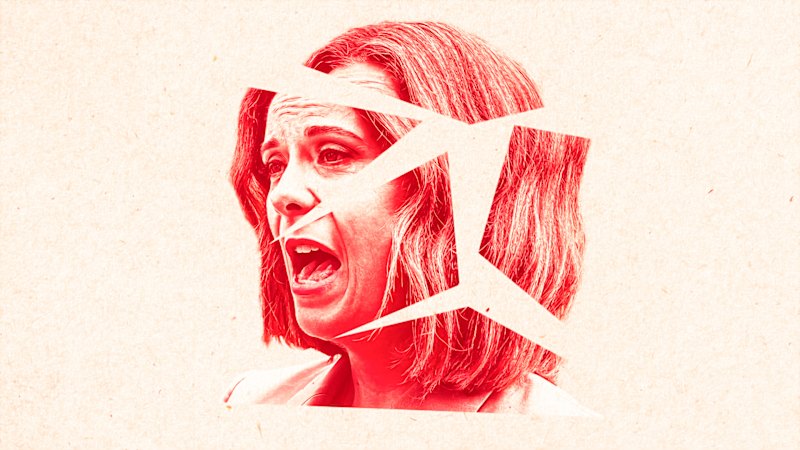
The announcement comes as the Albanese government faces scrutiny over ministerial expenses. The spotlight has been cast on Anika Wells, whose travel expenses for the UN event have sparked a political scandal. The expenses, revealed during a Senate estimates hearing, have led to intense media coverage and political fallout.
Unveiling the Scandal
The expenses scandal unfolded when Liberal Senator Sarah Henderson requested details about Wells’ New York travel costs, meetings, and itineraries. The figures released showed airfares totaling $94,828.75, with $34,426.58 for Wells, $38,165.86 for her staffer, and $22,236.31 for an accompanying public servant. This revelation provided the opposition with ammunition to criticize the Albanese government.
The opposition quickly seized the opportunity to publicize these figures, ensuring they made headlines before Wells addressed the National Press Club in Canberra. The timing was strategic, as Wells was due to speak about the government’s social media ban, a significant policy initiative.
Political Ramifications
Wells’ appearance at the National Press Club was intended to highlight the government’s ambitious social media reforms. However, the focus shifted to her travel expenses, overshadowing the policy discussion. The opposition, sensing vulnerability, intensified their scrutiny of Wells, probing her past expenses and travel claims.
According to sources, the opposition had been compiling information on Wells’ spending, including her trips to Paris for the Olympics and her attendance at sports events. The expenses scandal has now become a broader issue, with media outlets investigating other instances of Wells’ spending.
Historical Context and Comparisons
Expense scandals are not new to Australian politics. Previous incidents, such as the Bronwyn Bishop “choppergate” scandal in 2015, have led to changes in parliamentary travel rules. These scandals often result in heightened scrutiny of MPs’ expenses and calls for reform.
“The current rules clearly don’t meet community expectation and the government should review and update them,” said independent ACT senator David Pocock.
In response to the growing controversy, Health Minister Mark Butler indicated that the government would welcome advice and recommendations from the Independent Parliamentary Expenses Authority (IPEA) on whether the current system meets standards of ethical use and value for money.
Implications for Anika Wells and the Government
The expenses scandal has put Wells in a difficult position. Her rapid rise within the government, from junior minister to a key cabinet position, has been marred by this controversy. While some colleagues defend her, citing gendered attacks and the demands of her role, others believe she needs to demonstrate better judgment.
As the story continues to unfold, the government faces pressure to address the broader issue of parliamentary expenses. The opposition has called for bipartisan reforms, and there are growing demands for the prime minister to take action.
Prime Minister Anthony Albanese has defended Wells, stating that her spending was within the rules. However, the controversy has highlighted the need for a review of the system to ensure it aligns with public expectations.
Looking Forward
With the expenses scandal dominating headlines, the government must navigate the political fallout while maintaining focus on its policy agenda. The situation underscores the challenges faced by rising political figures like Wells, who must balance public scrutiny with their responsibilities.
As the government considers potential reforms, the outcome of this scandal may influence future policy decisions and the political landscape in Australia. The coming weeks will be crucial in determining the long-term impact of this controversy on Anika Wells and the Albanese government.