



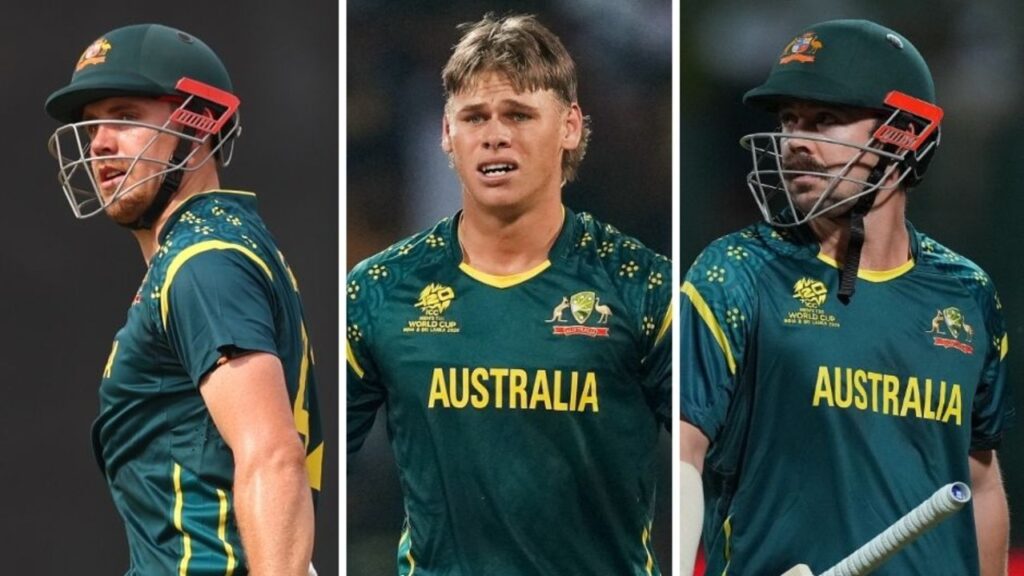
Australia’s T20 World Cup campaign ended in disappointment as the 2021 champions were eliminated during the group stage for the first time since 2009. The team, which had high hopes, failed to qualify for the Super Eight stage, suffering unexpected defeats to Zimbabwe and co-hosts Sri Lanka. Despite a final victory over Oman, the win offered little consolation as the players prepared to return home.
The campaign was marred by suboptimal preparation and controversial selection decisions. Australia was the only pre-seeded nation that did not advance to the next stage, raising questions about the team’s strategy and choices.
Key Performances and Player Ratings
Despite the overall disappointing outcome, individual performances varied significantly. Captain Mitchell Marsh, who missed the opening matches due to a testicular injury, emerged as a standout player upon his return.
Mitchell Marsh
Rating: 8
118 runs at 118.00, HS 64*, SR 196.66
Marsh led the team with consecutive fifties against Sri Lanka and Oman, underlining his importance to the squad. His absence was notably felt in the loss to Zimbabwe.
Travis Head
Rating: 5
111 runs at 27.75, HS 56, SR 158.57
Head, who captained in Marsh’s absence, struggled to convert starts into significant scores, with his fifty against Sri Lanka being a rare highlight.
Josh Inglis
Rating: 5
84 runs at 28.00, HS 37, SR 171.42
Inglis showed glimpses of potential but often lost his wicket at crucial moments, a pattern that undermined Australia’s efforts to consolidate during matches.
Cameron Green
Rating: 2
24 runs at 8.00, HS 21, SR 120.00; One wicket at 17.00, BB 1-6, ER 5.36
Green’s performance was underwhelming, raising questions about his selection over more experienced players like Steve Smith and Matthew Renshaw.
Selection Controversies and Tactical Missteps
The tournament highlighted several contentious selection choices that have been scrutinized by analysts and fans alike. The decision to drop Matthew Renshaw for the Sri Lanka match, despite his strong performance against Zimbabwe, drew particular criticism.
Matthew Renshaw
Rating: 7
102 runs at 51.00, HS 65, SR 132.46
Renshaw’s inclusion was a late decision that paid dividends, but his subsequent exclusion from the team was seen as a tactical error.
Meanwhile, Glenn Maxwell’s continued struggles and Tim David’s lack of impact added to the team’s woes. Maxwell’s form, which had been a concern during the Big Bash League, persisted into the World Cup.
Glenn Maxwell
Rating: 4
62 runs at 20.66, HS 31, SR 110.71
Maxwell failed to deliver in crucial situations, and his future in the national side is now uncertain.
Bowling Performance and Missed Opportunities
Australia’s bowling attack, led by Nathan Ellis in the absence of the usual pace trio, had moments of brilliance but ultimately fell short. Adam Zampa was a rare bright spot, finishing as the team’s leading wicket-taker.
Adam Zampa
Rating: 6
Eight wickets at 14.50, BB 4-21, ER 7.56
Zampa’s performances were crucial, but he couldn’t prevent the flow of runs in key matches against Zimbabwe and Sri Lanka.
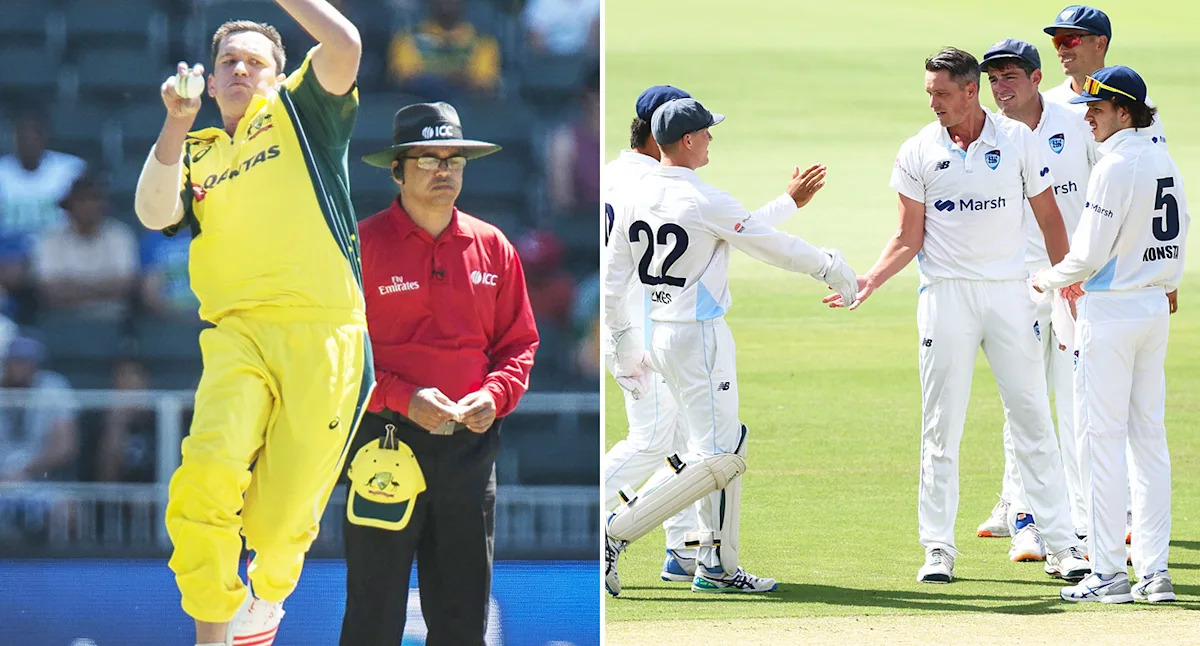
The selection of Ben Dwarshuis over Xavier Bartlett for the Zimbabwe match also backfired, as Dwarshuis struggled to make an impact.
Ben Dwarshuis
Rating: 2
Zero wickets, ER 10.00
Dwarshuis’s inclusion was a gamble that did not pay off, as he conceded 40 runs in a wicketless spell.
Looking Ahead: Lessons and Rebuilding
The early exit from the T20 World Cup has prompted calls for a reassessment of Australia’s approach to the shortest format of the game. With the next World Cup on the horizon, the team will need to address both strategic and selection issues to regain its competitive edge.
As the players return home, the focus will shift to rebuilding and refining the squad to ensure a stronger showing in future tournaments. The lessons from this campaign will be crucial in shaping Australia’s T20 strategy moving forward.