




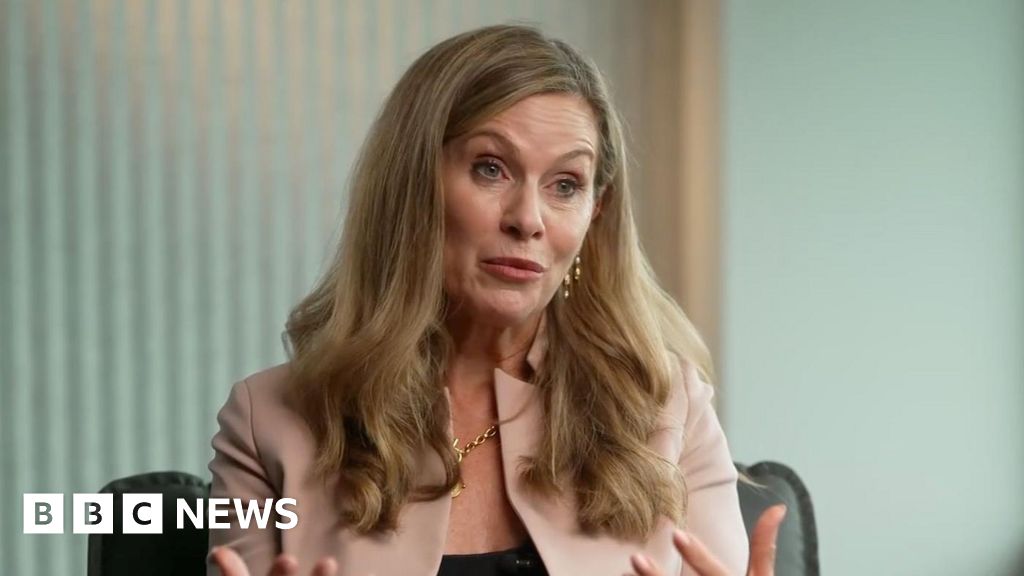
Social media platforms are resisting Australia’s groundbreaking policy to block users under 16 from creating accounts, fearing it could set a precedent for other nations. This was revealed by eSafety Commissioner Julie Inman Grant in an interview with the BBC, where she described the tech companies’ compliance as coming “kicking and screaming.”
Implemented in December, the Australian policy mandates social media firms to prevent under-16s from accessing their platforms, a move that has captured the attention of governments worldwide. The United Kingdom is contemplating similar legislation, with the House of Lords recently supporting a ban for under-16s through an amendment to the government’s schools bill.
Protecting Young Users from Harmful Content
The Australian government and child protection advocates argue the ban is crucial to shield children from harmful content and algorithms on platforms like Instagram, Snapchat, and TikTok. While companies such as Meta acknowledge the need for enhanced safety measures for young users, they contest that a blanket ban may not be the optimal solution. Some experts echo these concerns, suggesting alternative approaches.
In a recent update, the Australian government reported that 4.7 million accounts identified as belonging to children have been shut down, hailing the policy as a significant success. Inman Grant highlighted the lucrative nature of the young demographic for social media platforms, emphasizing the addictive design of these platforms initially meant for adults.
“They’re building a pipeline for the future, and they do not want this to be the first domino,” Inman Grant stated, pointing out the lack of incentive for companies to fully comply with the ban.
Monitoring Shifts in Youth Behavior
With the legislation now in effect for over a month, researchers are closely observing changes in behavior among young users. Critics feared that under-16s might migrate to other platforms, but Inman Grant noted that while there was an initial surge in downloads of alternative social media apps, sustained usage has not materialized.
Another concern was the potential for children to bypass the ban by manipulating age verification processes or seeking out other, potentially riskier, online spaces. Under the law, companies face fines of up to A$49.5 million ($33 million, £24.5 million) if they fail to take “reasonable steps” to enforce the ban. Inman Grant mentioned that a new series of compliance notices is imminent, with Snapchat being a primary focus.
“[The policy] is certainly exceeding our expectations, but we are playing the long game here,” she remarked, underscoring the need for a dynamic approach to online safety for young people.
Global Implications and Legal Challenges
Australia’s policy is unprecedented not only for its higher age limit but also for denying parental approval exemptions, making it the world’s strictest. The ban currently encompasses ten platforms, including Facebook, Instagram, Snapchat, Threads, TikTok, X, YouTube, Reddit, and streaming services like Kick and Twitch. However, it excludes dating sites, gaming platforms like Roblox and Discord, and AI chatbots, which have recently faced scrutiny over harmful interactions with minors.
Social media companies have consistently opposed the legislation. Meta has suggested that age verification should occur at the app store level, reducing compliance burdens for both regulators and apps, and advocated for parental approval exemptions. Reddit, while complying with the ban, has launched a legal challenge in Australia’s highest court, arguing that the policy infringes on privacy and political rights.
Australia’s Communications Minister Anika Wells has stood firm against these legal threats, asserting the government’s commitment to protecting children online. “We will not be intimidated by big tech. On behalf of Australian parents, we will stand firm,” she declared in parliament last November.
Looking Ahead
The ongoing developments in Australia’s social media policy could influence global regulatory trends, as other nations watch closely. The outcome of Reddit’s legal challenge may also have significant implications for the future of digital privacy and regulation. As the situation unfolds, the balance between protecting young users and respecting privacy rights remains a pivotal issue for policymakers worldwide.