

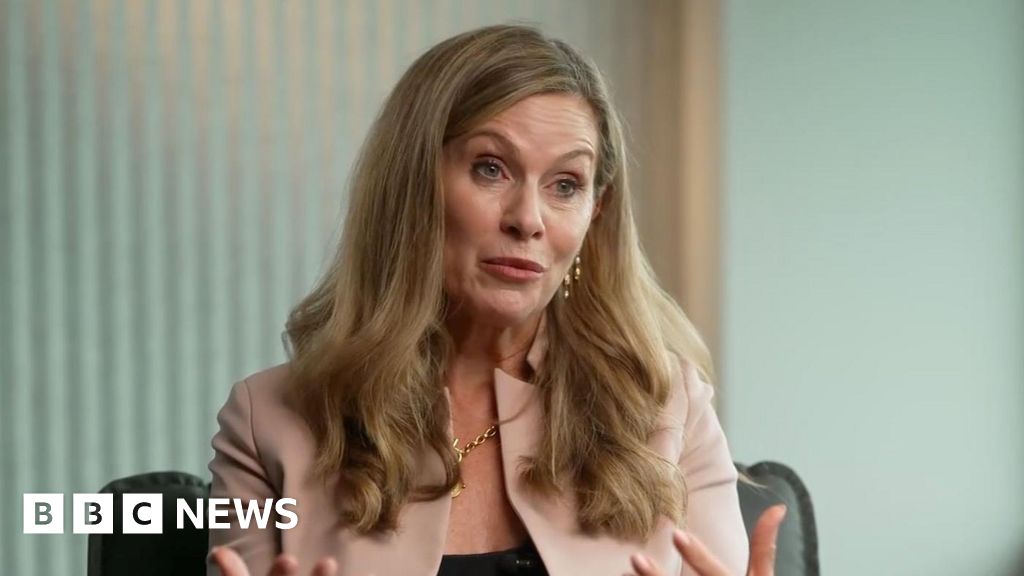
Social media platforms are grappling with Australia’s groundbreaking decision to ban users under 16 from creating accounts, a move that has drawn global scrutiny. The nation’s eSafety Commissioner, Julie Inman Grant, revealed to the BBC that companies have approached this regulation “kicking and screaming,” fearing it might set a precedent for other countries.
Since December, Australia has enforced this policy, compelling social media firms to block young users, a strategy closely monitored by international governments. The UK is contemplating similar legislation, with the House of Lords recently supporting a ban for under-16s in an amendment to the government’s schools bill.
Background and Justification
The Australian government and campaigners argue the ban is essential to shield children from harmful content and manipulative algorithms on platforms such as Instagram, Snapchat, and TikTok. Despite agreeing on the need for enhanced online safety, companies like Meta oppose a blanket ban, suggesting it may not be the optimal solution.
Earlier this month, the Australian government announced the closure of 4.7 million accounts identified as belonging to children, hailing the policy as a significant success. Inman Grant highlighted the lucrative nature of young users for social media companies, emphasizing their reluctance to fully comply with the ban.
“They’re building a pipeline for the future, and they do not want this to be the first domino,” Inman Grant stated.
Challenges and Criticisms
While the legislation has been in effect for over a month, researchers are still assessing its impact on youth behavior. Initial concerns suggested that under-16s might migrate to other platforms, but Inman Grant reported no sustained increase in alternative app usage, despite an initial spike in downloads.
Another challenge is the potential for children to bypass the ban by deceiving age verification systems or seeking less secure online spaces. Firms face hefty fines of up to A$49.5 million ($33 million, £24.5 million) if they fail to take “reasonable steps” to enforce the ban. Snapchat, in particular, has been identified as a key focus for compliance.
“[The policy] is certainly exceeding our expectations, but we are playing the long game here,” Inman Grant noted, emphasizing the need for a dynamic regulatory approach.
Global Implications and Industry Pushback
Australia’s policy is unprecedented, not only for its age limit but also for denying parental approval exemptions, making it the strictest in the world. The ban covers ten platforms, including Facebook, Instagram, Snapchat, and TikTok, but excludes dating sites, gaming platforms like Roblox, and AI chatbots.
Social media giants have consistently opposed the legislation. Meta has proposed age verification at the app store level to ease compliance burdens, while Reddit has challenged the policy in Australia’s highest court, citing privacy and political rights concerns.
Australia’s Communications Minister Anika Wells has stated the government remains resolute against legal threats from tech companies.
“We will not be intimidated by big tech. On behalf of Australian parents, we will stand firm,” Wells declared in parliament.
Looking Ahead
The unfolding situation in Australia could influence global regulatory trends, as other nations watch closely. The debate over the balance between child safety and digital rights continues, with potential ripple effects on international policy-making.
As the world observes Australia’s bold move, the outcome may redefine the landscape of social media regulation, setting a new standard for protecting young internet users.