



In a significant shift within Australia’s renewable energy landscape, battery and solar hybrid technologies are increasingly dominating the sector, relegating wind energy projects to a smaller fraction of the country’s renewable pipeline. This development is underscored by new data from the Australian Energy Market Operator (AEMO), which tracks new project proposals for the National Electricity Market.
According to AEMO’s latest Connection Scorecard, while wind energy projects still account for about half of all new connection enquiries on Australia’s main grid, the number advancing to actual grid applications and construction is rapidly declining. Of the approximately 180 gigawatts (GW) of connection enquiries received, only about a quarter progress beyond the initial stages.
The Changing Dynamics of Australia’s Renewable Sector
Currently, AEMO reports that 64 GW of projects have moved beyond mere enquiries and are in the process of connecting to the grid. This pipeline includes projects in various stages: connection application (26 GW), planning and construction (26 GW), registration (5 GW), and commissioning (7 GW).
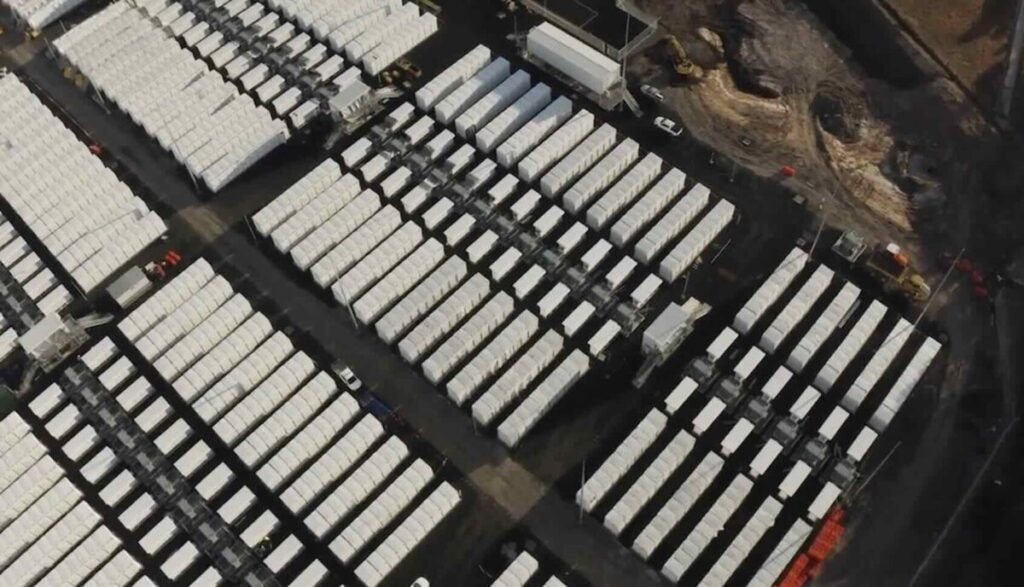
However, only 16 percent of this capacity is attributed to wind projects. In stark contrast, nearly half of the capacity comes from battery storage, with an additional 19.7 percent from solar-battery hybrids. Standalone solar accounts for 11.9 percent, while hydro and gas contribute 4.7 percent and 1.4 percent, respectively.
“Batteries are the dominant technology in every stage of the process,” the AEMO document notes.
Factors Influencing the Shift
This trend reflects several underlying factors, including the decreasing cost of battery storage and the challenges faced by wind projects, such as planning, social license, supply chain, and cost issues. The rapid evolution of the renewable energy sector is evident, as solar-battery hybrids were virtually non-existent in connection enquiries and applications just three years ago. The first true solar-battery hybrid has only recently been registered to the main grid.
Despite the current trends, there are indications of a potential resurgence in wind energy. In the last quarter, AEMO reported 25 new applications totaling 8.1 GW, with batteries accounting for 4.1 GW, wind 2.3 GW, solar-battery hybrids 960 megawatts (MW), standalone solar 310 MW, and hydro 330 MW.
Implications for the Future
The dominance of battery storage projects, particularly those with grid-forming inverter technologies, is crucial for providing essential system services in a grid transitioning away from coal. These projects now account for 13 GW and 30 gigawatt-hours (GWh) of new applications, compared to just 1 GW and 3 GWh for projects with grid-following inverter technologies.
AEMO Onboarding & Connections Group Manager Margarida Pimentel remarked, “These results highlight both the maturity of the pipeline and the sector’s increasing capability to deliver.”
Pimentel expressed satisfaction with the 1.8 GW of new capacity that completed commissioning during the quarter, emphasizing the strong progress across every stage of the connections process, from application approvals to projects reaching full output.
Looking Ahead
As Australia continues to navigate its energy transition, the trends observed in the AEMO Connection Scorecard suggest a future where battery and solar hybrid technologies play a pivotal role. While wind energy faces challenges, the potential for its resurgence remains, contingent upon overcoming current obstacles.
The renewable energy landscape in Australia is poised for further evolution, driven by technological advancements and market dynamics. Stakeholders in the sector will need to adapt to these changes to ensure a sustainable and efficient energy future.
For those interested in staying updated with the latest developments in clean energy, subscribing to industry newsletters can provide valuable insights and updates.