


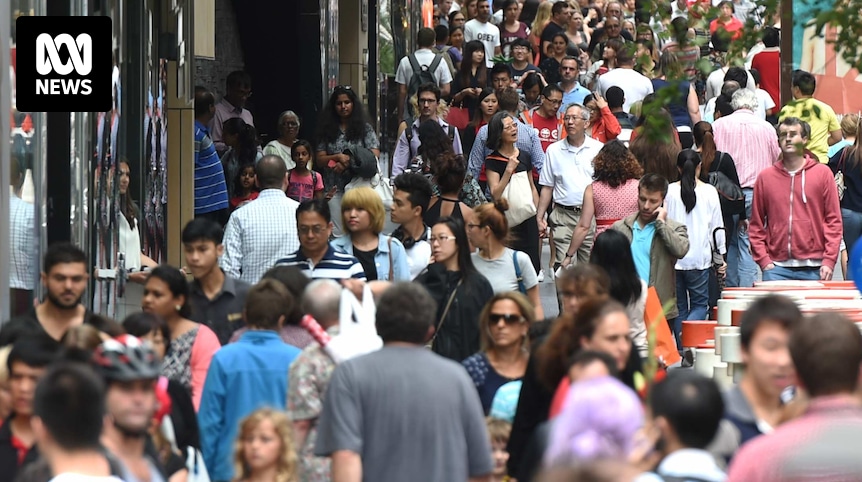
Australia’s population is set to reach 28 million by 2026, according to the Centre for Population’s 2025 Population Statement. This growth comes despite a significant decline in overseas migration and a persistently low birth rate.
The report highlights that Australia’s population growth is projected to slow to a historic low of 1.3 percent this year, down from 1.5 percent last year. The deceleration is largely attributed to a decrease in migrant arrivals coupled with an increase in migrant departures.
Migration Trends and Political Implications
Net overseas migration is anticipated to fall to 260,000 by 2026, which is about half the number recorded in 2023 when Australia experienced a post-pandemic surge in migration. This decline is expected to be driven by the expiration of temporary visas for many who arrived in the aftermath of COVID-19.
Immigration remains a hot-button issue in Australian politics. The federal opposition is poised to challenge the government on migration numbers, with the Coalition hinting at a stricter language test for prospective migrants as part of its yet-to-be-released policy.
Birth Rate Decline and Government Response
Australia’s birth rate is projected to continue its decline, reaching 1.45 children per woman this year. Couples are increasingly opting to delay having children and choosing smaller family sizes. However, projections suggest a modest recovery to 1.62 by 2031-32, though this remains below the replacement level of 2.1 children per woman.
In response, Treasurer Jim Chalmers stated, “The Albanese government is rolling out policies to ease pressure on families and make it easier for people to have children if they want to.”
Demographic Shifts and Health Trends
Meanwhile, dementia has surpassed ischaemic heart disease as the leading cause of death in Australia, reflecting broader demographic shifts. Although Australia remains relatively young compared to similar economies, the median age is expected to rise by 1.8 years, reaching 40.2 years by 2035-36.
The Centre for Population projects that Western Australia will experience the highest population growth rate, driven by both international migration and internal migration from other states. Conversely, Tasmania and South Australia are expected to see the slowest growth from 2026 to 2036.
Urban Growth and Future Projections
New South Wales is projected to remain Australia’s most populous state, with its population reaching 9.6 million by 2035-36, accounting for approximately 30 percent of the national population. Both Sydney and Melbourne are expected to surpass 8 million residents in the 2050s, with Melbourne forecasted to become the nation’s most populous city, reaching 9.1 million by 2066.
According to the Centre for Population, “The demographic trends indicate significant urban growth, particularly in Melbourne, which is set to become Australia’s largest city by mid-century.”
These projections underscore the importance of strategic planning in urban infrastructure and resource allocation to accommodate the anticipated growth.
Looking Ahead
The anticipated population growth, despite declining migration and birth rates, presents both challenges and opportunities for Australia. Policymakers will need to balance immigration policies, support family growth, and prepare for an aging population.
As Australia navigates these demographic changes, the focus will likely remain on sustainable development and ensuring that the nation’s economic and social infrastructure can support its evolving population dynamics.