


Australia’s recently implemented online safety codes, which mandate age verification for accessing R-rated games and websites, have ignited a debate over user privacy. Experts warn that these measures, introduced by the eSafety Commissioner, could compromise personal data security. The new regulations, effective today, extend the age restrictions introduced last year, which barred under-16s from numerous social media platforms.
These codes require search engines, social media platforms, pornography websites, app stores, gaming providers, and even generative AI systems like chatbots to implement steps preventing children from accessing age-inappropriate content. The targeted services must verify the age of adults using systems that comply with Australia’s privacy laws.
Understanding the New Codes
The new regulations impose specific requirements on various online services:
- AI chatbots: Must verify users are 18 or older before accessing sexually explicit or self-harm material.
- App stores: Required to prevent under-18s from downloading R18+ apps, potentially through age assurance.
- Adult messaging services: Must verify users’ ages if they distribute explicit content.
- Online gaming platforms: Users must complete age assurance to access R18+ games.
- Pornography websites: Required to ask users to confirm their age.
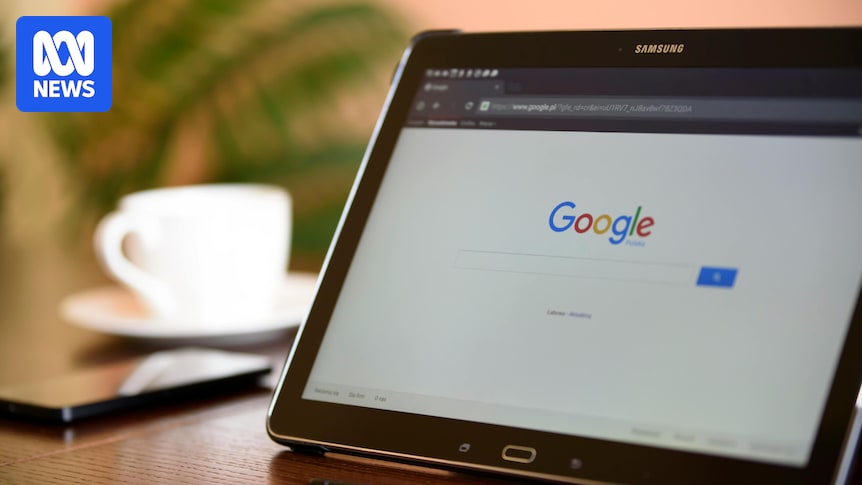
- Search engines: Will blur results containing explicit content by default for users not logged in.
- Social media: Platforms allowing explicit content must ensure users are 18 or older.
Implications and Reactions
eSafety Commissioner Julia Inman-Grant emphasizes that the codes aim to protect children from harmful content and place the onus of safety on the platforms. She warns that violations could result in penalties up to $49.5 million.
“We don’t allow children to walk into bars or bottle shops, adult stores or casinos, but when it comes to online spaces where they are spending a lot of their time, there are no such safeguards,” Ms. Inman-Grant stated. “These codes bring those same, commonsense protections to the online world.”
However, the move has sparked privacy concerns. Queensland University of Technology’s Professor Daniel Angus argues that the internet’s traditional role as a space for free, untracked access to information is at risk.
“What we’ve seen over time is the amount of private data that is able to be taken by largely commercial platforms,” he said. “Now we’re seeing government intervention insisting on identity verification.”
Balancing Safety and Privacy
Curtin University’s Professor Tama Leaver highlights the need to balance online safety for children with privacy concerns. He acknowledges the growing demand for age verification but cautions against potential missteps.
“How do we balance making the internet safer for children with respecting privacy? That’s a balance that will take time to perfect,” he noted.
Data security remains a critical issue. Last year, Discord reported a hack that potentially exposed 70,000 users’ government ID photos. RMIT University’s Dr. Dana McKay suggests platforms should not retain data collected during age verification.
Professor Angus calls for a broader conversation on data protection, emphasizing the need for regulations on data collection and usage.
“We are long overdue the conversation on how internet services can take our data and what they do with it,” he said. “Yet we’re seeing a further entrenchment of the requirement for users to hand over more data.”
The Path Forward
As Australia navigates the implementation of these new codes, the debate between safeguarding children and preserving privacy continues. Stakeholders must collaborate to ensure that the measures effectively protect young users without compromising individual privacy rights.
The coming months will likely see further discussions and potential adjustments to the codes as the country seeks to strike the delicate balance between safety and privacy in the digital age.