
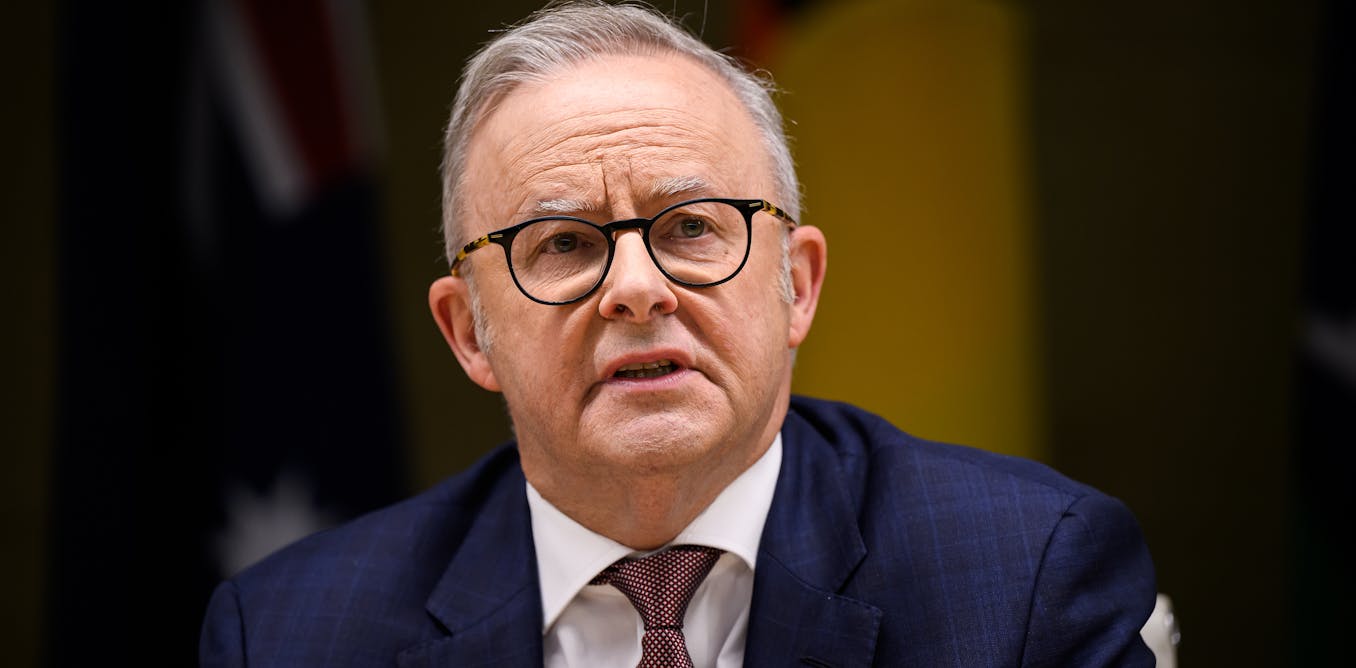
Australia’s inflation rate could peak in “the high 4s or even higher” this year, according to the latest Treasury modelling, Treasurer Jim Chalmers revealed. This announcement coincides with Prime Minister Anthony Albanese’s meeting with state and territory leaders in a national cabinet session to address the ongoing fuel crisis and appoint a national coordinator-general to tackle its challenges.
Albanese has urged regional governments to designate a “point person” to liaise with the Commonwealth. The meeting aims to share information and discuss potential actions to mitigate the crisis. Meanwhile, Chalmers is expected to detail the Treasury’s modelling of the oil shock’s impact during a speech in Melbourne on Thursday, which has been released ahead of its delivery.
Economic Scenarios and Impacts
Treasury has modelled two potential scenarios. The first assumes oil prices remain at $100 a barrel for the first half of the year before gradually returning to pre-conflict levels by the end of the year. The second scenario projects oil prices reaching $120 per barrel in the first half of the year, taking three years to revert to previous levels.
“While both scenarios could underestimate the cost, given where the oil price is and the uncertain duration of these events, they give us a sense of the second round impacts,” Chalmers stated.
According to the Treasury, the war could reduce GDP growth by up to 0.2 percentage points across Australia’s major trading partners. In both scenarios, inflation is expected to rise, and economic growth could be adversely affected.
Inflation and Growth Projections
The latest Treasury analysis considers factors such as lower global growth and increased prices for LNG, coal, and fertilizers. It indicates that “headline inflation would peak ¾ of a percentage point higher in the short-term scenario and 1¼ percentage point higher in the prolonged one.”
“It means the prospect of inflation peaking in the high 4s or even higher this year is very real,” Chalmers warned.
In the short-term scenario, output is projected to be 0.2 percent lower around mid-year, with a quick recovery expected due to the transient nature of the shock. However, the more prolonged scenario could have lasting effects, with GDP estimated to be 0.6 percent lower in 2027 and still below potential by 2029.
“Around half of the impact to GDP is due to the impact of higher oil. The other half is due to broader consequences,” Chalmers explained.
National Cabinet and Fuel Supply Concerns
The economic outlook’s deterioration follows a recent interest rate increase of a quarter percentage point and growing concerns about a potential recession, although the government downplays such risks. Rising fuel prices and the rate hike have created a dual financial strain for many Australians.
New South Wales Premier Chris Minns highlighted the urgency of the diesel supply issue, which is crucial for transportation, agriculture, and construction. He called for “a national plan that sets out a clear escalation pathway, including what further actions may be taken if the conflict continues and conditions worsen.”
Albanese acknowledged the shortages, particularly of diesel, and noted government actions such as releasing 20% of the national fuel reserve. He emphasized that Australia’s fuel reserves are at their highest in 15 years, with scheduled fuel shipments arriving as planned.
Budget Implications and Tax Reform
Chalmers indicated that the Middle East conflict would significantly influence the upcoming May 12 budget. In his speech, he outlined principles for tax reform, focusing on intergenerational responsibilities, incentivizing productive business investment, and simplifying the tax system.
“The economic uncertainty and volatility mean more reform is needed, not less. It’s a reason to go further, not slower,” Chalmers stated.
Upcoming EU Trade Deal
In related news, European Commission President Ursula von der Leyen is scheduled to visit Australia next week. The government is optimistic about finalizing a long-awaited free trade deal with the EU, with discussions expected to resolve outstanding issues, including access for Australian red meat to European markets.
The developments in Australia’s economic landscape underscore the complexity of navigating global crises and domestic challenges, with significant implications for policy and future growth.