



The recent surge in gun violence in Australia, highlighted by the tragic Bondi shooting, has reignited the national debate on gun control. As the country grapples with the aftermath, calls for stricter regulations and a comprehensive ban on firearms for civilians are gaining momentum. Advocates argue that without decisive action, further violence is inevitable.
John O’Callaghan from Canterbury is among those advocating for a blanket ban on guns, except for law enforcement and military personnel. He questions the necessity of civilian gun ownership, stating, “Why does anyone need a gun? What may someone else do with it?” He emphasizes that guns serve one primary purpose: to kill, a function that is increasingly at odds with Australia’s non-gun culture.
Calls for National Gun Law Reforms
O’Callaghan’s sentiments are echoed by many who point to the inconsistencies in state-level gun laws. The fear is that without national reforms, loopholes will persist, allowing firearms to circulate unchecked. Kim White from Mirboo North, a lifelong gun owner, suggests that all gun owners should justify their need for firearms, with the government ready to buy back weapons from those who cannot provide a compelling reason.
White’s perspective is grounded in practicality, as he owns guns solely for pest control on his farm. He argues that urban residents with multiple high-powered rifles should face stricter scrutiny. “Our federal government needs to step up again,” he asserts, reflecting a broader call for federal intervention.
Lessons from Past Tragedies
The Bondi incident has drawn parallels to past massacres, such as the Port Arthur tragedy, which led to significant gun law reforms in the 1990s. Robert Bender from Ivanhoe East highlights that major reforms often follow crises, lamenting that proactive measures are rarely taken. He notes that guns used in crimes are frequently stolen from homes, suggesting that even legal gun owners are not immune to contributing to the problem.
Michelle Wright from Eltham proposes that urban gun ownership should be heavily restricted, with firearms stored securely at gun clubs. She draws a comparison to police procedures, where officers must adhere to strict protocols regarding their service weapons, questioning why civilians should be treated differently.
Broader Societal Impacts and Responsibility
Beyond legislative changes, the societal impact of gun violence is profound. Irene Renzenbrink from North Fitzroy reflects on the community responses to past shootings, emphasizing the importance of addressing the social and emotional fallout. She cites the words of the Archbishop of Canterbury after the Hungerford shootings, “Companionship in adversity has its own good and healing power.”
Meanwhile, Danny Van Vliet from Mount Eliza urges a focus on the root causes of violence, such as hatred and radicalization, rather than solely on gun control. He points to international incidents where vehicles were used as weapons, underscoring that the tools of violence are varied, but the underlying motivations often stem from deeper societal issues.
Political and Educational Dimensions
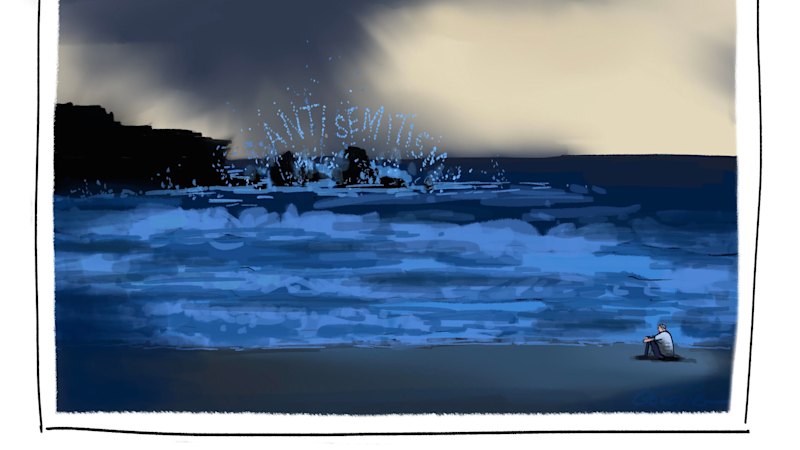
The political landscape is not immune to the fallout from the Bondi shooting. William Vickers from Melbourne criticizes the government’s delayed response to antisemitic incidents leading up to the tragedy, arguing that politics cannot be divorced from the reality of gun violence. He calls for accountability and action from leaders at all levels.
Jon McMillan from Mornington highlights the educational system’s role in preventing future violence. He argues that a lack of historical education contributes to present-day ignorance, advocating for a curriculum that includes comprehensive historical perspectives, including those of marginalized communities.
Looking Forward: A Collective Effort
As Australia contemplates its next steps, the debate over gun control is unlikely to abate. The consensus among many is that a multifaceted approach is necessary, combining legislative reform, societal change, and educational initiatives. Julie Perry from Highton calls for a national dialogue grounded in tolerance and respect, urging citizens to reject divisive rhetoric and embrace collective responsibility.
The path forward will require cooperation from all sectors of society, as Australia seeks to balance individual freedoms with the safety of its citizens. The lessons of history, coupled with a commitment to progress, may yet guide the nation toward a more secure future.